
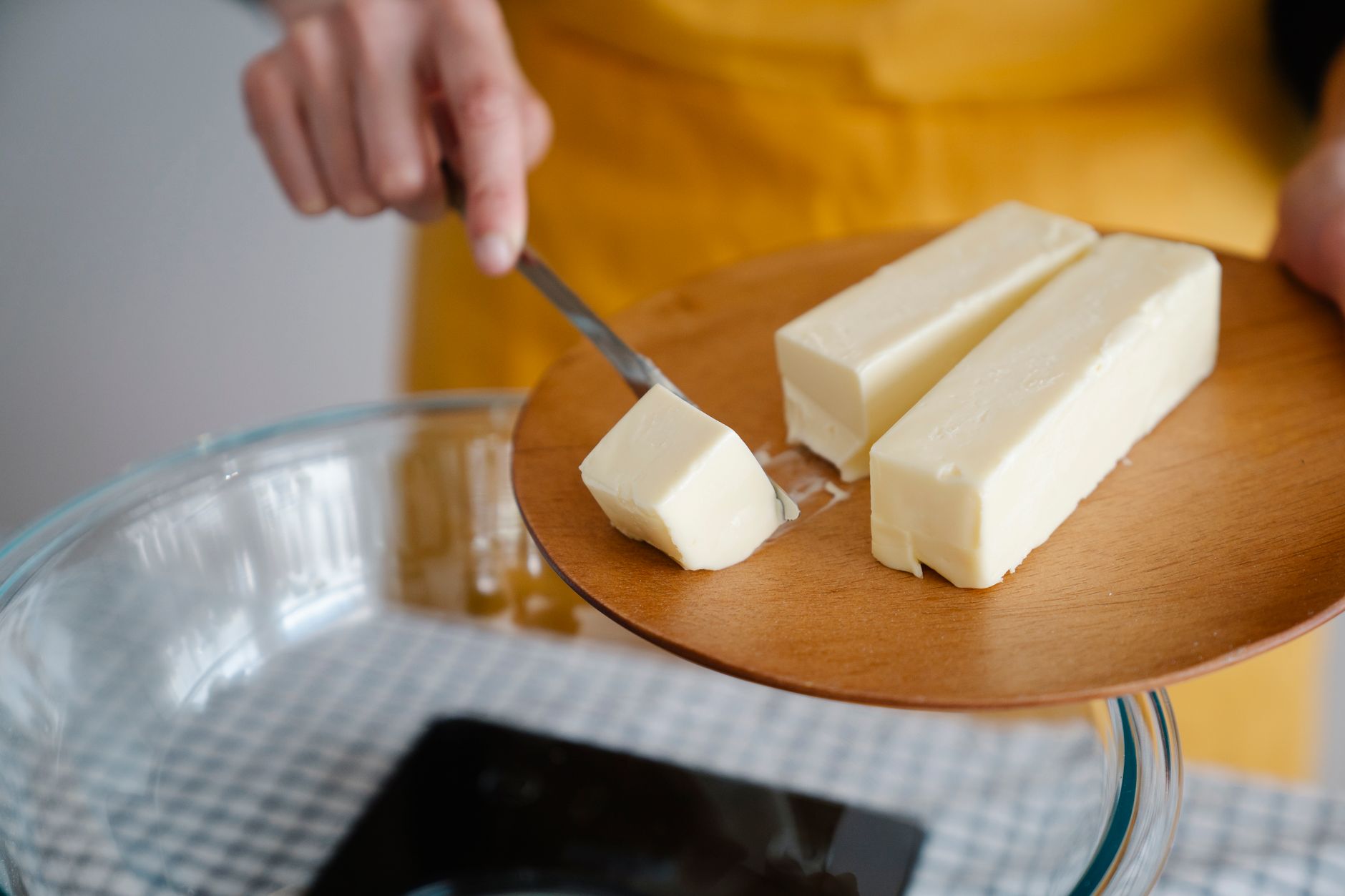
Understanding how long it takes for butter to reach room temperature is crucial for many cooking and baking tasks. Whether you’re preparing to bake cookies, make a creamy frosting, or simply spread it on toast, the temperature of the butter can significantly affect the texture and outcome of your dishes.
In this guide, we’ll explore the ideal methods for softening butter, factors affecting the timing, and practical uses for room temperature butter. Knowing how to handle butter correctly can enhance your culinary creations and make a noticeable difference in flavor and consistency.
How Long Does It Take For Butter To Get To Room Temperature?
Typically, butter takes about 30 to 60 minutes to come to room temperature, depending on the ambient conditions of your kitchen and the size of the butter pieces. Generally, it’s best to cut the butter into small cubes or thin slices to expedite the softening process.
Why Room Temperature Butter Matters
Using butter at room temperature is important in various cooking and baking applications. Here are a few reasons why:
- Texture: Room temperature butter is soft and easily spreadable, which helps create a smooth batter in cookies, cakes, and other baked goods.
- Incorporation: Softened butter incorporates air more efficiently when mixed with sugar, leading to a light and fluffy texture in baked products.
- Flavor: Room temperature butter helps achieve a balanced flavor profile by evenly distributing throughout your recipe.
Factors That Influence Softening Time
Several factors can affect how long it takes for butter to reach room temperature. Understanding these can help you gauge the best approach for your kitchen conditions.
1. Ambient Temperature
The temperature of your kitchen plays a significant role. In a warm kitchen, butter might soften in as little as 20 minutes, while in a cooler kitchen, it may take up to an hour or more.
2. Butter Size
The form of the butter also affects softening time. A whole stick of butter will take longer compared to small cubes or slices. Cutting the butter into smaller pieces will speed up the process significantly.
3. Type of Butter
Unsalted butter, which is generally preferred for baking, softens just like salted butter, but its moisture content can vary slightly, potentially affecting softness.
4. Packaging
If you leave butter in its wrapped form, it will take longer to soften. Exposing it to air allows it to warm more quickly.
Methods for Softening Butter Quickly
If you need to soften butter quickly, several methods can significantly reduce the time required to achieve the desired consistency.
1. Cut It Into Pieces
Cutting butter into smaller cubes or thin slices is the quickest method. This increases the surface area for warming and allows the butter to soften in about 10 to 15 minutes at room temperature.
2. Microwave Method
While the microwave can be a time-saver, it can also be tricky. If you decide to use it, use the defrost setting or microwave a small amount (10 seconds) at a time. Check and rotate the butter to avoid melting it.
3. Grate the Butter
Using a box grater is an effective method for softening butter quickly. Grated butter mixes into batters very easily, and it can soften in just about 5 to 10 minutes at room temperature.
4. Warm Water Bath
You can place the butter in a sealed plastic bag and submerge it in warm (not hot) water for about 5 to 10 minutes. This method effectively softens the butter without risking melting.
How to Know When Butter is Room Temperature
Identifying the right consistency is essential. Room temperature butter should be soft enough to leave an impression when pressed with a finger but not greasy or melting. It should easily blend into your batter without clumps.
Practical Uses for Room Temperature Butter
Room temperature butter enhances many recipes, and knowing how to soften it can lead to improved baking results. Here are some practical uses:
1. Baking Cookies
For cookies, creaming room temperature butter with sugar is key to creating a light and airy texture. Cookies will spread appropriately when the butter is the right temperature.
2. Making Frosting
Frosting made with room temperature butter is smoother and easier to spread. It blends seamlessly with powdered sugar, leading to a creamy texture ideal for decorating cakes and cupcakes.
3. Compound Butters
Room temperature butter is ideal for making flavored compound butters. Mixing softened butter with herbs, spices, or other flavorings ensures even distribution.
4. Savory Dishes
Room temperature butter can enhance sauces, being more easily incorporated into small amounts of liquid for a creamy finish. It works particularly well in sauces served over seafood or grilled meats.
Common Mistakes to Avoid When Softening Butter
Even though softening butter seems straightforward, there are pitfalls to avoid:
1. Overheating in the Microwave
Microwaving butter for too long can cause it to melt, ruining the intended texture for baked goods. Always check in intervals of a few seconds.
2. Leaving Butter Out Too Long
While leaving butter out to soften is a common practice, don’t forget it can spoil. Butter can be safely left at room temperature for several days but should be monitored, especially in warm conditions.
3. Not Using the Right Consistency
Using overly melted butter can cause cookies to spread excessively, leading to undesirable textures. Be sure to achieve the right soft consistency before proceeding.
Storing Leftover Butter
After using butter, it’s essential to store it properly to keep it fresh:
- Refrigeration: For long-term storage, keep butter in the refrigerator, wrapped tightly to prevent absorption of odors.
- Freezing: Butter freezes well. Cut it into portions and wrap in plastic wrap, placing it in a freezer-safe bag. It can last up to six months frozen.
Butter Alternatives in Cooking and Baking
If you need to avoid butter, some alternatives can mimic its properties in various dishes:
- Margarine: A direct substitute, though some brands contain more moisture, affecting recipes.
- Coconut Oil: A great alternative that provides a different flavor; use in a 1:1 ratio.
- Applesauce: For baking, applesauce can replace butter, particularly in cakes and muffins, using a 1:1 ratio, resulting in a moister product.
Final Thoughts on Softening Butter
Understanding how to properly soften butter and the ideal timing can elevate your baking and cooking efforts. Whether you choose to prep ahead or use one of our quick methods, the right consistency is vital for achieving those delightful textures and flavors in your recipes.
Next time you plan to bake or prepare a dish requiring softened butter, keep these tips in mind to ensure the best results for your culinary creations.
For more culinary insights, consider exploring related recipes such as Clarified Butter Recipe or Butter Swim Biscuits Recipe that highlight the versatility of butter.