
Caffeine is a popular stimulant found in various beverages, including soda. Understanding how much caffeine is present in different types of soda can help consumers make informed choices. Caffeine can vary significantly by brand and flavor, impacting energy levels and health considerations.
This article will explore the caffeine content of popular sodas, providing details by type and serving size, and helping you comprehend how your soda choice fits into your daily caffeine consumption.
How Much Caffeine in Soda?
The caffeine content in soda varies widely based on the type, brand, and flavor. Generally, caffeinated sodas range from about 20 mg to 80 mg of caffeine per 12-ounce serving. Understanding specific brands can help you choose options that align with your caffeine preferences.
Caffeinated Sodas: A Breakdown by Type
Caffeinated sodas fall into several categories, including colas, citrus sodas, and energy drinks. Below is a detailed look at different types of sodas and their approximate caffeine content.
1. Cola Sodas
Cola sodas are among the most common caffeinated drinks. They often contain the highest levels of caffeine compared to other non-energy sodas.
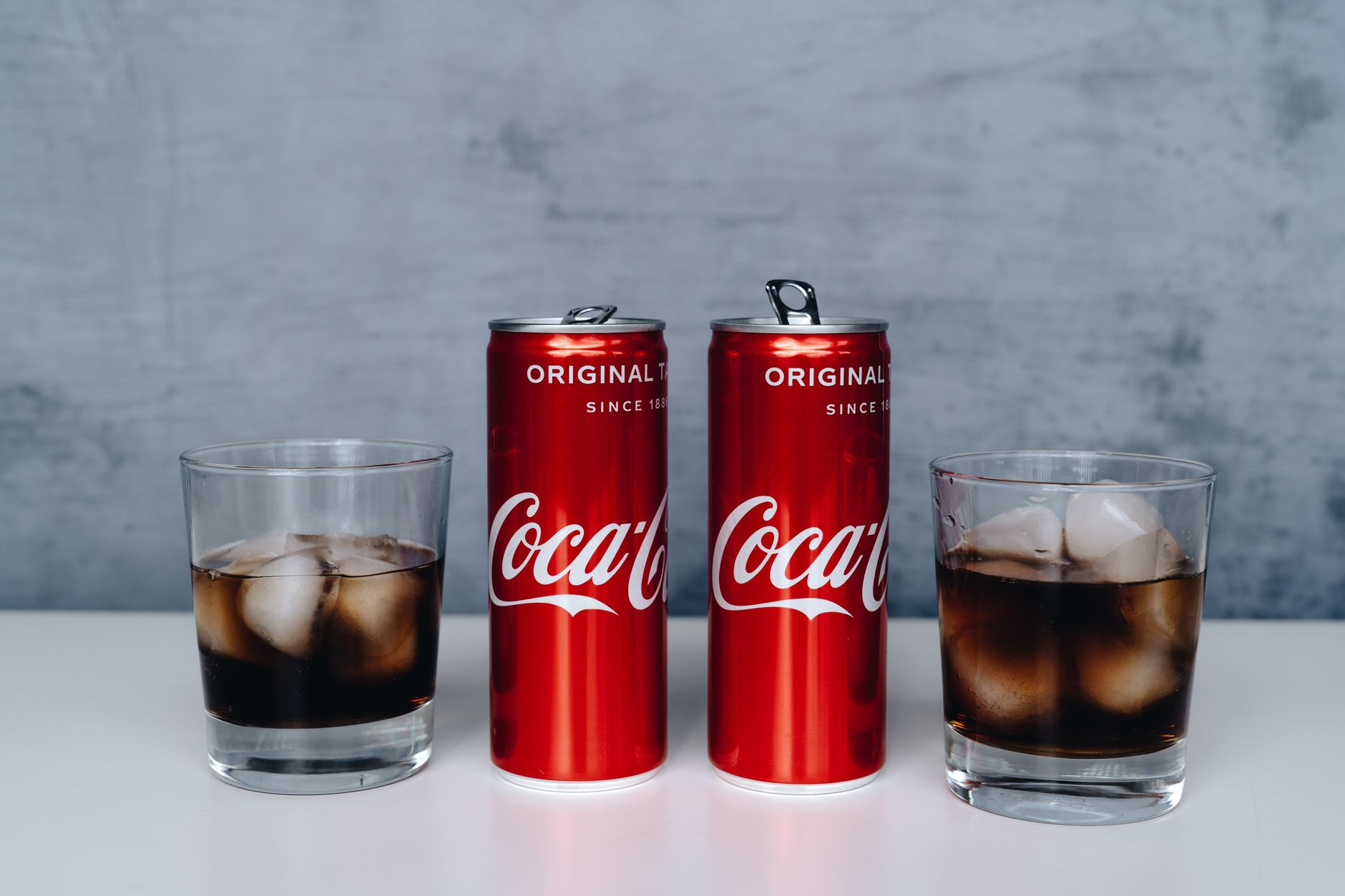
- Coca-Cola: Approximately 34 mg of caffeine per 12-ounce serving.
- Pepsi: Around 38 mg of caffeine per 12-ounce serving.
- Diet Coke: Contains about 46 mg of caffeine per 12-ounce serving.
- Caffeine-Free Coca-Cola: Contains no caffeine.
- Wild Cherry Pepsi: About 38 mg of caffeine per 12-ounce serving.
2. Citrus Sodas
Citrus-flavored sodas tend to have lower caffeine content compared to colas, but some brands still incorporate caffeine into their recipes.
- Mountain Dew: Contains approximately 54 mg of caffeine per 12-ounce serving.
- Surge: About 51 mg of caffeine per 12-ounce serving.
- Fanta: Typically caffeine-free.
- Slice: Usually caffeine-free.
3. Root Beers
Root beers are traditionally caffeine-free, though some variations may include caffeine.
- A&W Root Beer: Generally caffeine-free.
- Barq’s Root Beer: Contains about 22 mg of caffeine per 12-ounce serving.
4. Energy Sodas
Energy sodas often have significantly higher caffeine levels compared to regular sodas, tailored for those seeking a more substantial energy boost.
- Monster Energy: Contains approximately 160 mg of caffeine per 16-ounce serving.
- Rockstar Energy: About 160 mg of caffeine per 16-ounce serving.
- Full Throttle: Typically around 160 mg of caffeine per 16-ounce serving.
Caffeine Content by Serving Size
Analyzing caffeine content is essential, as serving sizes can vary. The most standard serving size in calculations is 12 ounces. However, many drinks are available in larger sizes. Below is a guide to understanding how caffeine scales with different forms.
Caffeine per Ounce
Here’s a breakdown of caffeine amounts per ounce to give you perspective on how much caffeine you consume as you drink:
- Coca-Cola: 2.83 mg/oz
- Pepsi: 3.17 mg/oz
- Mountain Dew: 4.5 mg/oz
- Barq’s Root Beer: 1.83 mg/oz
Comparing Larger Serving Sizes
Many sodas are available in 20 oz or larger sizes. Below is an approximation of how much caffeine you might get from larger servings for common sodas:
- Coca-Cola: 20 oz = approximately 57 mg of caffeine.
- Pepsi: 20 oz = around 63 mg of caffeine.
- Mountain Dew: 20 oz = approximately 90 mg of caffeine.
- Diet Coke: 20 oz = about 77 mg of caffeine.
Factors Influencing Caffeine Content
While the brand and type of soda are significant in determining caffeine content, several factors can also influence it. Here are some to consider:
- Brand Variations: Different brands can have different formulations, resulting in varying caffeine content even within the same product type.
- Type of Beverage: Energy drinks typically contain elevated levels of caffeine compared to regular sodas.
- Product Changes: Manufacturers may change formulations over time, affecting caffeine content.
- Dietary Preferences: With the rise of caffeine-free options, it’s important to read labels carefully if you’re observing caffeine intake.
Health Considerations
While caffeine has certain health benefits, excessive consumption can lead to negative side effects, including anxiety, insomnia, and increased heart rate. Understanding how much caffeine each soda contains can help you manage your intake effectively.
Recommended Caffeine Intake
The FDA suggests a limit of up to 400 mg of caffeine per day for most adults. This guideline is essential for maintaining a balanced intake while enjoying caffeinated sodas and other beverages.
Interactions with Other Ingredients
Sodas often contain sugar and other stimulating ingredients, which can also affect how caffeine is metabolized in the body. High sugar content can lead to an energy crash following the initial caffeine boost.
Common Misconceptions About Soda Caffeine
With varying levels of caffeine in sodas, misconceptions often abound. Below are some common myths, along with clarifications.
- All sodas contain caffeine: Not true! Many sodas, especially root beers and certain fruit-flavored sodas, are caffeine-free.
- Diet sodas have less caffeine: This is untrue; some diet sodas may have equal or even higher caffeine levels compared to their regular counterparts.
- Caffeine in soda is the same as coffee: While both contain caffeine, the amount of caffeine in soda is typically much lower than in a standard cup of coffee, which averages around 95 mg per 8-ounce serving.
Tips for Monitoring Caffeine Intake
To manage your caffeine consumption from sodas, consider these practical tips:
- Read Labels: Always check the caffeine content on the nutritional label, especially for new or unfamiliar brands.
- Know Your Limits: Be aware of your personal tolerance for caffeine and plan accordingly.
- Mix It Up: Balance soda consumption with caffeine-free alternatives, including water, herbal tea, or caffeine-free sodas.
Alternatives to Caffeinated Sodas
If you’re trying to reduce your caffeine intake, there are plenty of enjoyable alternatives. Here are some to consider:
- Caffeine-Free Sodas: Brands like caffeine-free Coca-Cola and root beers offer refreshing options without caffeine.
- Herbal Teas: Naturally caffeine-free and available in numerous flavors, herbal teas can be a flavorful substitute.
- Fruit Juices: Fresh juices provide hydration and flavor without caffeine, making them a great alternative.
Summary of Caffeine Content by Soda Type
| Soda Type | Brand | Caffeine (mg per 12 oz) |
|---|---|---|
| Cola | Coca-Cola | 34 |
| Cola | Pepsi | 38 |
| Citrus | Mountain Dew | 54 |
| Root Beer | Barq’s | 22 |
| Energy Drink | Monster | 160 |
Understanding the caffeine content in soda helps you manage your intake to align with your health goals and preferences. With this knowledge, you can enjoy your favorite beverages while being mindful of their effects on your body.
For additional reading, you may explore whether Diet Dr. Pepper has caffeine, or learn what tea has the most caffeine to further enhance your understanding of caffeine sources. Enjoy your exploration of beverages and their unique characteristics!