
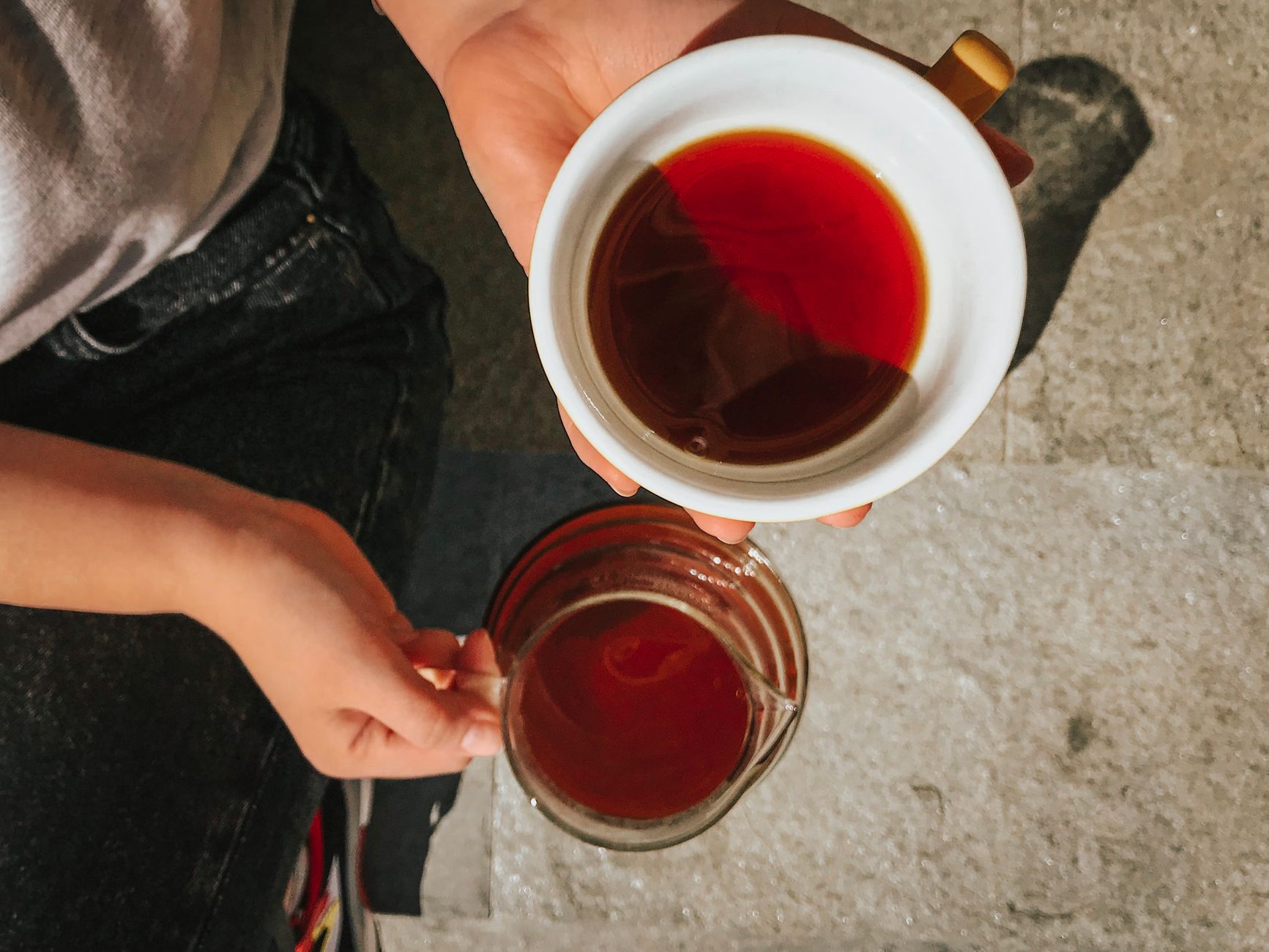
Tea enthusiasts often find themselves asking about caffeine content, especially when looking for a boost of energy. Understanding which tea has the most caffeine can help you make informed choices about your beverage options. The caffeine content can vary significantly among different types of tea, influenced by factors such as the tea leaf variety, processing methods, and brewing techniques.
In this article, we will explore the caffeine levels in various teas, identify which tea has the most caffeine, and provide insights on how to maximize that caffeine experience. Whether you’re aiming for a morning pick-me-up or an afternoon energizer, knowing your options is key.
What Tea Has The Most Caffeine?
The tea with the highest caffeine content is generally black tea, specifically varieties like Assam and Darjeeling. On average, black tea can contain between 40 to 70 mg of caffeine per 8-ounce cup, depending on the brewing time and leaf size. However, matcha, a powdered green tea, can deliver even more caffeine, with about 70 mg of caffeine per serving when prepared traditionally.
Let’s delve deeper into the caffeine content of various teas, compare their strengths, and discuss how to maximize the caffeine extracted during brewing.
Understanding Caffeine in Tea
Caffeine is a natural stimulant found in tea leaves. The amount of caffeine in tea is not only determined by the type of tea but also by several other factors:
- Type of Leaf: Different tea leaves contain varying levels of caffeine. Black tea typically has more caffeine than green tea, white tea generally has less, and herbal teas may or may not contain caffeine at all.
- Processing: The method of processing affects caffeine levels. For instance, fully oxidized black teas have higher caffeine compared to less oxidized teas like green or white tea.
- Brewing Time and Temperature: The longer and hotter tea is brewed, the more caffeine is extracted. Steeping tea for longer will commonly yield a stronger dose of caffeine.
- Leaf Size: Finer tea leaves have more surface area exposed to water, which can lead to higher caffeine extraction.
Comparing Caffeine Content in Different Teas
Here’s a general comparison of the caffeine content in various types of tea. Note that these amounts can vary based on the factors mentioned above:
| Type of Tea | Caffeine Content (mg per 8 oz) |
|---|---|
| Black Tea (Assam, Darjeeling) | 40-70 |
| Green Tea | 20-45 |
| White Tea | 15-30 |
| Oolong Tea | 30-50 |
| Matcha | 70 |
| Herbal Tea | 0-10 |
Exploring Different High-Caffeine Teas
Now that we understand which teas generally have higher caffeine concentrations, here are some specific varieties that stand out.
Black Tea
This classic choice is often the go-to for those seeking a caffeine boost. Assam and Ceylon black teas are especially known for their robust flavor and higher caffeine content. The leaves undergo full oxidation, which enhances both the flavor and caffeine levels.
Matcha
Matcha is unique among teas because it is made from the whole tea leaf that is ground into a fine powder. This means you consume the entire leaf, which considerably increases its caffeine content. Additionally, matcha has a distinct flavor profile, offering a rich, earthy taste with a vibrant green color.
Yerba Mate
While not a traditional tea, yerba mate is often consumed like tea and contains significant caffeine. An 8-ounce serving typically has about 30-50 mg of caffeine, providing a different experience with herbal and grassy notes.
Guayusa
Similar to yerba mate, guayusa is another herbal option that provides a caffeine punch. It is less commonly known than traditional teas but can contain around 40-50 mg of caffeine per cup, with a slightly sweet and smooth flavor.
Green Tea
Though generally lower in caffeine compared to black tea, certain varieties such as gyokuro or sencha can approach the caffeine levels of black tea. Techniques of shading the leaves before harvesting play a crucial role in enhancing their caffeine content.
Brewing Techniques to Maximize Caffeine Extraction
Just knowing which tea has higher caffeine isn’t enough; how you brew it is equally important. Follow these tips to maximize caffeine extraction from your tea:
1. Choose the Right Leaf
Opt for broken or cut tea leaves. These have a larger surface area, enabling more caffeine to be released during brewing.
2. Use Hot Water
Brewing tea with hotter water (near boiling) increases the rate of caffeine extraction. The higher temperature helps release the caffeine more effectively from the leaves.
3. Extend Brewing Time
If you want a stronger cup, consider steeping your tea longer than usual. A brew time of 5-7 minutes can significantly increase caffeine content, especially in black and oolong teas.
4. Use a Larger Tea-to-Water Ratio
Adjust the amount of tea leaves you use. A higher leaf-to-water ratio will always yield a more potent cup.
5. Avoid Over-Infusing
While extending brewing time helps with caffeine extraction, steeping for too long can also lead to bitter flavors. Find a balance that suits your taste preference.
Common Misunderstandings About Caffeine in Tea
There are several myths surrounding tea and caffeine that can lead to misunderstandings. Here are a few clarifications:
- All teas have the same caffeine content: As highlighted, the caffeine content can vary widely among different types of tea. Not all teas are created equal.
- Herbal teas contain caffeine: Most herbal teas are naturally caffeine-free, as they are derived from plants that do not contain caffeine in the first place.
- Tea provides a jittery energy boost: The presence of L-theanine in tea helps to counterbalance caffeine’s stimulating effects, providing a more stable energy boost compared to coffee.
Practical Tips for Choosing Your Caffeinated Tea
When it comes to choosing the right tea for your caffeine needs, consider these helpful tips:
- Know Your Preference: Are you looking for a bold flavor or something lighter? Black teas often provide a robust taste, while green teas offer a more delicate profile.
- Read Labels: If purchasing pre-packaged tea, check the labels for caffeine content. Many brands provide information that can guide your choices.
- Experiment: Different brands and types of tea can yield varying caffeine levels. Don’t hesitate to try various teas to find your perfect balance.
- Consider Other Ingredients: Some teas may be blended with other herbs or flavors that can change the overall experience, including caffeine levels.
Storing Tea for Optimal Caffeine Levels
Proper storage can help preserve the flavor and caffeine content of your tea. Consider the following storage tips:
- Airtight Containers: Store tea in an airtight container to prevent moisture and air exposure, which can degrade its quality.
- Keep Away from Light: Light can also damage the tea leaves; store them in a dark place away from direct sunlight.
- Cool and Dry: Ideal storage conditions include a cool, dry place. Avoid storing tea in the fridge, as humidity can alter its flavors.
Conclusion
Understanding which tea has the most caffeine is essential for making informed choices about your beverage options. Black tea varieties such as Assam and Darjeeling are excellent for caffeine seekers, while matcha offers an even richer concentration of caffeine along with unique health benefits. Several brewing techniques can enhance caffeine extraction, ensuring that you get the most out of your favorite tea.
Next time you’re in need of an energy boost, you can confidently select the right tea for the occasion. For more information about chai tea, check out our article on caffeine in chai tea or explore the world of black tea to discover even more delicious options.