
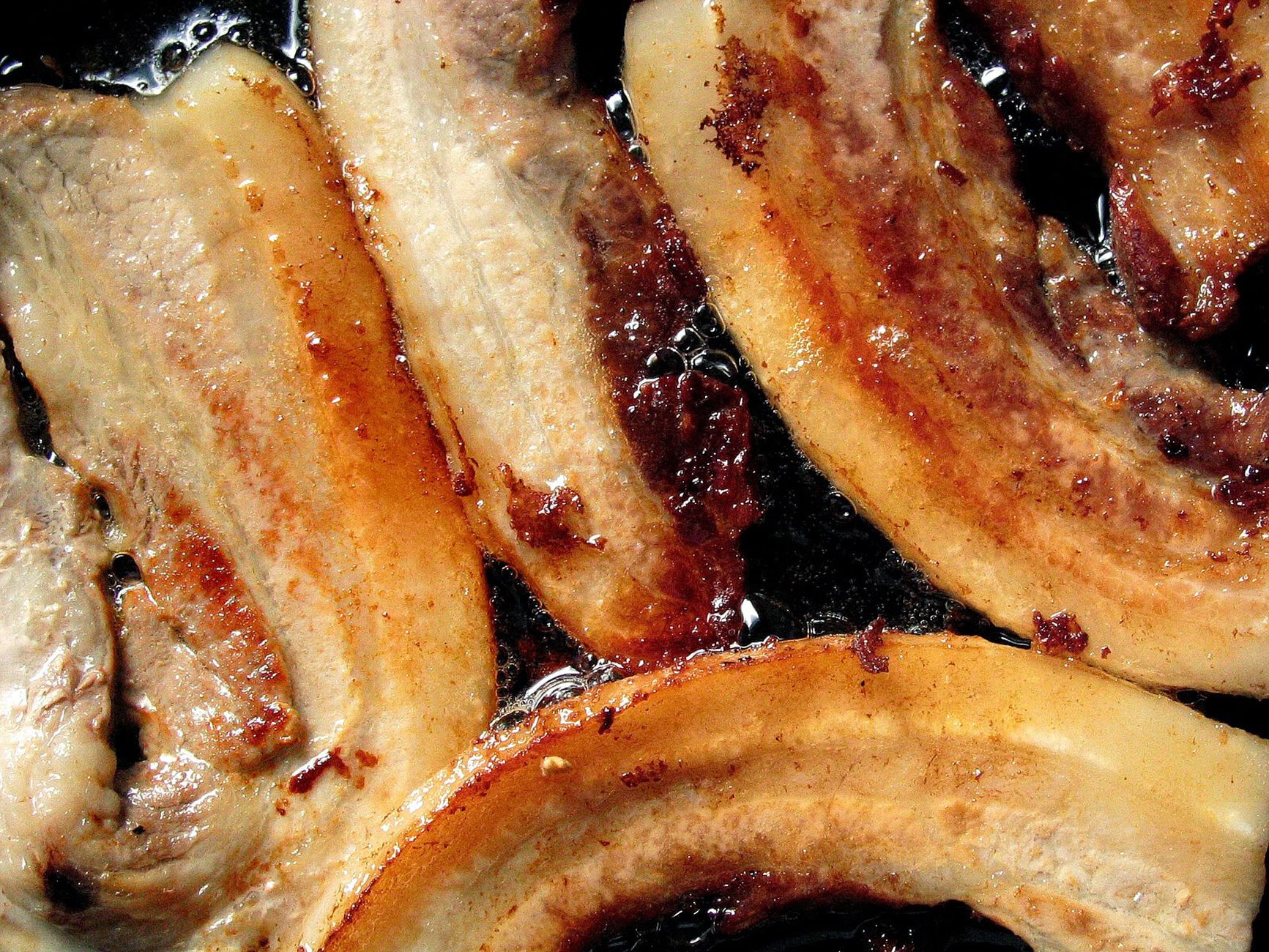
Bacon is a beloved food ingredient known for its irresistible aroma and flavor. However, you may have experienced bacon that appears brown but doesn’t seem off by smell. Understanding the relationship between color, smell, and spoilage is essential for safe and enjoyable cooking. This guide will dive into the factors affecting bacon’s appearance, its smells, and the signs of spoilage, ensuring that you can use and store bacon safely.
From its cooking methods to tips on recognizing when bacon is bad, this article covers everything you need to know about bacon, with plenty of practical advice for the kitchen. Whether you’re a bacon enthusiast or a novice looking to incorporate it into your meals, understanding the nuances of this savory treat can elevate your cooking experience.
What Does It Mean When Bacon Is Brown But Smells Ok?
When encountering bacon that is brown in color but has a pleasant smell, it can lead to confusion regarding its freshness and safety. The color of bacon can change due to a variety of factors, including the curing process and the cooking method. As long as the bacon does not exhibit any unpleasant odors or additional spoilage signs, it is generally safe to use. Below, we will outline the different stages bacon can go through and what to look for.
Understanding Bacon: A Look at Color and Smell
The primary factors that influence the color and smell of bacon are its type, processing method, and storage conditions. Let’s break these down in detail.
Types of Bacon
- Regular Bacon: Traditional pork belly bacon is typically pink and shiny. It can turn a deeper brown when cooked.
- Turkey Bacon: Often a lighter shade and less salty than traditional bacon, turkey bacon can brown during cooking as well.
- Beef Bacon: This type is typically darker than pork bacon and may range from brown to deep brown shades.
Curing Process
Bacon is cured with salt, sugar, and sometimes nitrates and nitrites, enhancing its flavor and preserving it. The curing process can add a pink hue, while over time, exposure to air can cause the meat to darken. This is a normal process and does not necessarily indicate spoilage.
Cooking Methods
Cooking bacon at high temperatures can change its color significantly. Bacon starts as a beautiful pink, but as it cooks, it turns brown and develops a crispy texture. This transformation is part of the cooking process, so a little browning is normal.
Signs of Spoilage in Bacon
It is crucial to be able to recognize spoiled bacon to avoid foodborne illnesses. Here are some key indicators to look for:
Smell
While the smell of bacon cooking is often delightful, spoiled bacon will emit a sour or rancid odor that is distinctly unpleasant. If you detect an off-putting smell, it is best to err on the side of caution and discard the bacon.
Color
Aside from the normal browning during cooking, fresh bacon should retain a pink or reddish color. If your bacon appears gray, greenish, or excessively brown without being cooked, it may be a sign of spoilage.
Texture
Fresh bacon should feel moist but not slimy. If you notice a slimy or tacky texture, this is a sign that the bacon has gone bad and should be thrown away.
Expiration Dates
Always check the expiration or “use by” date printed on the packaging. While bacon can often be consumed a few days past this date if stored properly, it’s essential to apply the other sensory tests to ensure its safety.
Storing Bacon Properly
Proper storage of bacon can extend its shelf life and maintain freshness. Here are key storage tips:
In the Fridge
Unopened packages of bacon can typically be stored in the refrigerator for up to two weeks. Once opened, bacon should ideally be consumed within one week.
In the Freezer
Bacon can be frozen for up to six months. For best results:
- Wrap the bacon tightly in plastic wrap or aluminum foil, then place it in a freezer-safe bag to prevent freezer burn.
- Label the bag with the date to keep track of how long it has been stored.
Thawing Bacon
When you’re ready to use frozen bacon, thaw it in the refrigerator overnight. Alternatively, you can place it in a sealed bag and submerge it in cold water for quicker thawing.
Cooking Bacon Safely
Cooking bacon is not only about getting it crispy; it’s also about ensuring it’s cooked thoroughly to eliminate any potential pathogens. Here are key cooking tips:
Cooking Temperature
Cook bacon until it reaches an internal temperature of 145°F (63°C). Using a food thermometer can help confirm this. The bacon should be crispy and have a deep brown color without being burned.
Cooking Methods
- Pan Frying: Cook bacon in a skillet over medium heat, turning occasionally until crispy.
- Baking: Lay bacon strips on a baking sheet lined with parchment paper and bake in a 400°F (204°C) oven for about 15-20 minutes.
- Microwaving: Place bacon between layers of paper towels on a microwave-safe plate and cook in 30-second intervals until crispy (more details here).
Common Mistakes When Cooking Bacon
Even seasoned cooks can make errors when dealing with bacon. Here are a few common mistakes to avoid:
Overcrowding the Pan
Crowding the pan leads to uneven cooking and can result in soggy bacon. Cook in batches if necessary to ensure even crispness.
Not Preheating the Skillet
Placing bacon in a cold skillet can lead to greasy and floppy bacon. Preheat your skillet before adding the bacon for optimal results.
Creative Uses for Bacon
Bacon is more than just a breakfast side. Here are ways to incorporate it into meals:
Bacon in Breakfast Dishes
- Add to scrambled eggs or omelets for a savory twist.
- Use as a topping for pancakes or waffles, complemented by maple syrup.
- Incorporate into breakfast burritos with eggs and cheese.
In Lunch and Dinner
- Wrap around asparagus or chicken for added flavor during roasting.
- Add to salads for extra crunch and saltiness.
- Use in pasta dishes, mixing with vegetables and cream sauce.
In Snacks and Desserts
- Crumbled bacon makes an excellent topping for popcorn or baked potatoes.
- Prepare candied bacon for a sweet and savory snack, appetizer, or dessert (recipe here).
Final Thoughts on Bacon
Bacon’s transformation from raw to crispy goodness involves understanding its characteristics, proper storage, and safe cooking practices. By knowing how to identify spoilage signs, cooking it correctly, and maximizing its use in your meals, you can enjoy this delectable ingredient with confidence.
Next time you find bacon that is brown but smells okay, remember that it’s likely safe as long as no other spoilage signs are present. Embrace the versatility of bacon in your cooking and explore the rich flavors it can add to your favorite dishes.
For more delicious recipes and cooking tips, check out our guides on candied bacon and discover how to cook bacon in the microwave easily.