
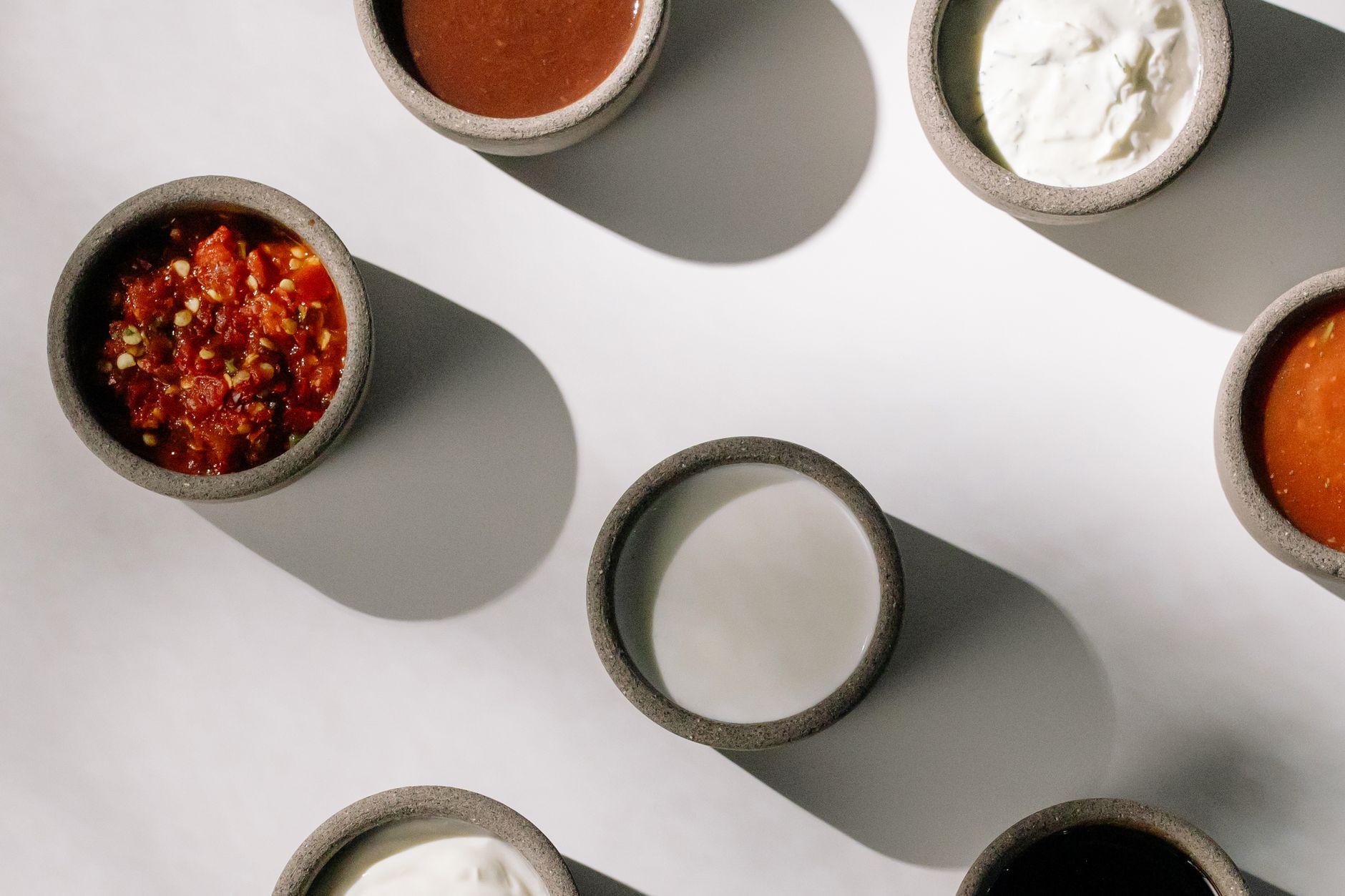
Mother sauces are the foundation of classical cooking, forming the base for a wide array of derivative sauces used in countless recipes. Understanding these five essential sauces can elevate your culinary skills and broaden your ability to create complex and delicious dishes.
In this article, we will break down each of the five mother sauces: Béchamel, Velouté, Espagnole, Tomato, and Hollandaise. We will explore their ingredients, how to prepare them, and practical applications for each sauce in your everyday cooking.
What Are the 5 Mother Sauces?
The five mother sauces are Béchamel, Velouté, Espagnole, Tomato, and Hollandaise. Each serves as a basic sauce from which many variations can be developed. These sauces are integral in French cuisine and are fundamental to culinary training around the world.
Béchamel Sauce
Béchamel is one of the simplest mother sauces and is often referred to as white sauce. It’s creamy, smooth, and versatile, serving as a base for sauces like Mornay and cheese sauces.
Ingredients for Béchamel Sauce
- 2 tablespoons unsalted butter
- 2 tablespoons all-purpose flour
- 2 cups milk (whole or low-fat)
- Salt, to taste
- White pepper, to taste (optional)
- Nutmeg, a pinch (optional)
How to Prepare Béchamel Sauce
- In a medium saucepan, melt the butter over medium heat.
- Add the flour and whisk continuously for about 2-3 minutes to form a roux; it should be pale and bubbly.
- Gradually add the milk while whisking to avoid lumps, continuing to cook and whisk until the mixture thickens, about 5-7 minutes.
- Season with salt, white pepper, and a pinch of nutmeg, if desired.
- Remove from heat and cover to keep warm until ready to use.
Practical Uses for Béchamel Sauce
Béchamel can be used in various dishes, such as mac and cheese, lasagna, or creamy soups. It is also the base for Mornay sauce, which includes cheese, perfect for topping vegetables or pasta.
Velouté Sauce
Velouté, which translates to “velvety,” is made by thickening white stock with a roux. It serves as a foundational sauce for many other sauces, such as Allemande or Suprême.
Ingredients for Velouté Sauce
- 2 tablespoons unsalted butter
- 2 tablespoons all-purpose flour
- 2 cups chicken, fish, or vegetable stock
- Salt and white pepper, to taste
How to Prepare Velouté Sauce
- Melt the butter in a saucepan over medium heat.
- Add the flour, whisking continuously, and cook for 2-3 minutes to create a roux.
- Slowly whisk in the stock, making sure to dissolve any lumps, and increase the heat to medium-high.
- Bring to a gentle simmer, whisking continuously until the sauce is smooth and has thickened, about 5-10 minutes.
- Season with salt and white pepper, then remove from the heat.
Practical Uses for Velouté Sauce
Velouté can serve as a base for dishes like chicken à la king or as a sauce with fish and shellfish. It is also ideal for creating sauces that include cream, mushrooms, or herbs for added flavor.
Espagnole Sauce
Espagnole, or brown sauce, is a rich sauce made from a brown stock, tomatoes, and a thickening agent, it’s notably heavier than the other mother sauces. It is essential in classic dishes like beef bourguignon.
Ingredients for Espagnole Sauce
- 2 tablespoons unsalted butter
- 2 tablespoons all-purpose flour
- 1/2 cup chopped onion
- 1/2 cup chopped carrot
- 1/2 cup chopped celery
- 1/4 cup tomato purée
- 4 cups brown stock (beef or veal)
- Salt and pepper, to taste
How to Prepare Espagnole Sauce
- In a large saucepan, melt the butter over medium heat, and sauté the onion, carrot, and celery until softened, about 5-7 minutes.
- Add the flour, continuing to cook and whisk for another 2-3 minutes.
- Stir in the tomato purée and cook for another minute.
- Gradually whisk in the brown stock, ensuring there are no lumps. Bring to a boil.
- Reduce the heat and let it simmer for about 30-45 minutes, stirring occasionally, until it thickens and has developed a rich flavor. Season with salt and pepper to taste.
Practical Uses for Espagnole Sauce
Espagnole is commonly used in classic French dishes and is the base for demi-glace, a concentrated sauce made by reducing Espagnole further. It complements dishes like pot roast or can be served over steak with a reduction of red wine.
Tomato Sauce
Tomato sauce is a fundamental base in many cuisines worldwide, not just French. It has a tangy, sweet flavor and serves as the foundation for many pasta dishes and stews.
Ingredients for Tomato Sauce
- 2 tablespoons olive oil
- 1 onion, chopped
- 2 garlic cloves, minced
- 2 cans (14 oz each) crushed tomatoes
- 1 teaspoon sugar (optional)
- Salt and pepper, to taste
- Fresh basil or oregano, for garnish
How to Prepare Tomato Sauce
- Heat the olive oil in a saucepan over medium heat. Add the chopped onion and sauté until softened and translucent, about 5 minutes.
- Add the minced garlic and cook for 1 more minute until fragrant.
- Stir in the crushed tomatoes and sugar (if using) and bring to a simmer.
- Season with salt and pepper, then let simmer for 20-30 minutes to reduce and deepen the flavor.
- Garnish with fresh herbs before serving.
Practical Uses for Tomato Sauce
This sauce is essential for pizza, pasta dishes, and even braising meats. You can also transform it into marinara or Bolognese sauce depending on the additional ingredients you incorporate.
Hollandaise Sauce
Hollandaise is a rich, buttery sauce made with egg yolks, lemon juice, and butter. It requires careful preparation, but its unique flavor makes it a favorite, particularly for breakfast dishes like Eggs Benedict.
Ingredients for Hollandaise Sauce
- 3 egg yolks
- 1 tablespoon lemon juice
- 1/2 cup unsalted butter, melted
- Salt and cayenne pepper, to taste
How to Prepare Hollandaise Sauce
- In a heatproof bowl, whisk together the egg yolks and lemon juice until pale and frothy.
- Place the bowl over a pot of simmering water (double boiler method). Whisk continuously until the mixture thickens.
- Slowly drizzle in the melted butter while continuing to whisk—this will emulsify the sauce.
- Once the sauce is thick and creamy, remove it from heat. Season with salt and cayenne pepper to taste.
Practical Uses for Hollandaise Sauce
Hollandaise sauce is commonly used for eggs Benedict, but it can also be drizzled over vegetables like asparagus or artichokes. A hint of mustard can elevate Hollandaise for a sharper flavor, ideal for seafood dishes.
Conclusion and Versatility of Mother Sauces
Understanding the five mother sauces provides a significant foundation for many cooking techniques and recipes. Each sauce has its character and allows for a myriad of variations that can complement a wide range of dishes.
As you gain confidence in preparing these sauces, consider experimenting with their derivatives to create unique flavor profiles in your cooking. By mastering the mother sauces, you’re equipped to tackle a variety of culinary challenges in your kitchen!
If you’re interested in further exploring sauces, consider trying a Mornay sauce recipe for a cheesy twist, or a Romesco sauce for a flavorful dip. Both can add depth and excitement to your meals.
Explore our Mornay sauce recipe and Romesco sauce recipe to enhance your dish repertoire and further enjoy the culinary world of sauces.