
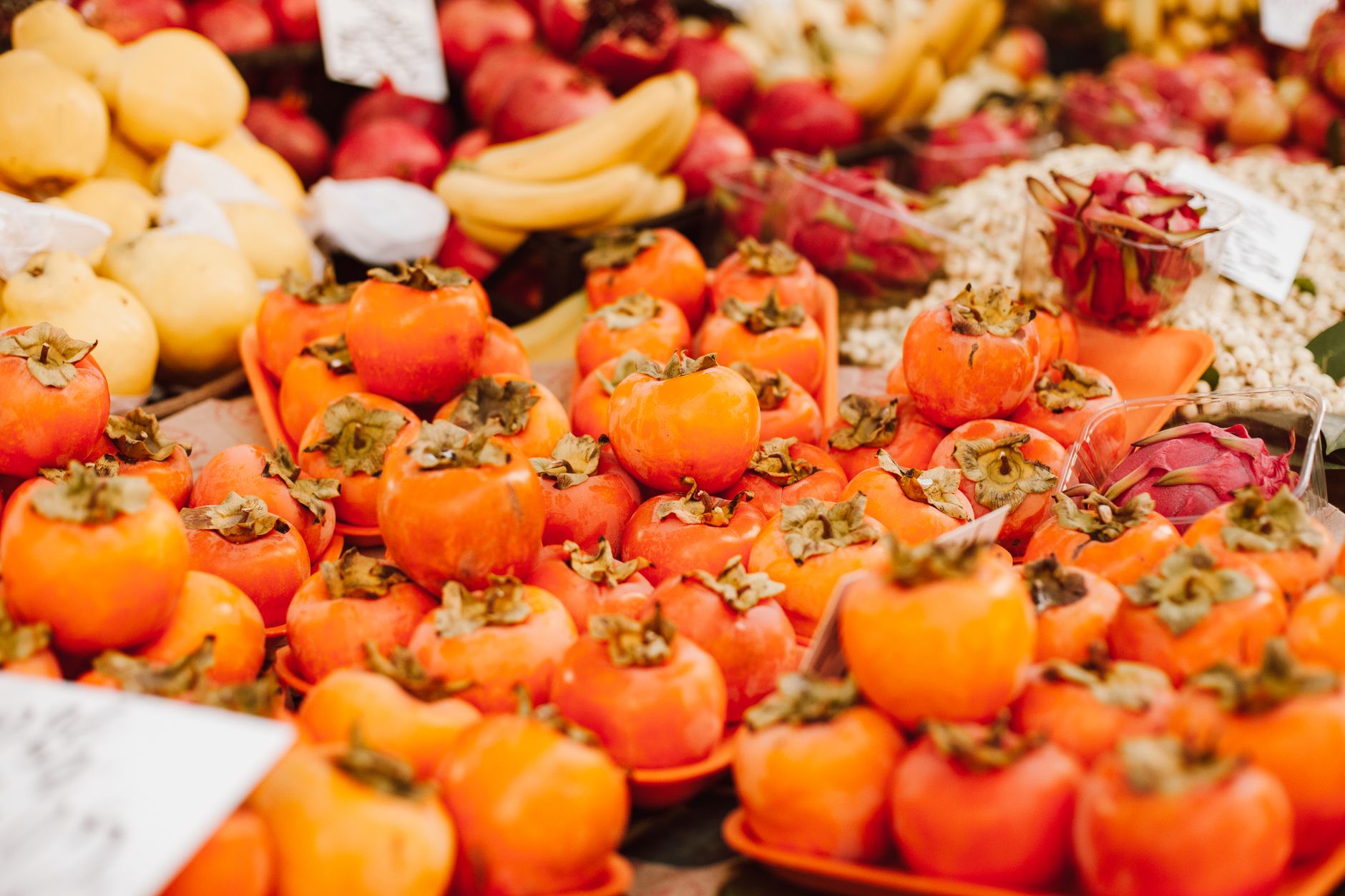
Fiber foods are an essential part of a healthy diet, offering numerous benefits, including promoting digestive health, regulating blood sugar levels, and aiding in weight management. Understanding what fiber foods are and how to incorporate them into your meals can help you maintain a balanced diet and improve overall well-being.
This article will explore the types of fiber foods, nutritious options, benefits, and practical serving sizes to help you make informed choices for your meals.
What Are Fiber Foods?
Fiber foods include plant-based foods that are rich in dietary fiber, which is a type of carbohydrate that the body cannot digest. There are two main types of fiber: soluble and insoluble, both of which play a significant role in health and wellness.
Soluble fiber dissolves in water and can help lower blood cholesterol and glucose levels. It is commonly found in foods like oats, beans, lentils, apples, and citrus fruits. Insoluble fiber, on the other hand, does not dissolve in water and aids in digestion by promoting regular bowel movements. Foods high in insoluble fiber include whole grains, nuts, seeds, and the skins of many fruits and vegetables.
Benefits of Fiber Foods
Fiber foods provide a variety of health benefits that can enhance your diet, including:
- Improved Digestion: Fiber helps to regulate bowel movements and prevent constipation by adding bulk to the stool.
- Weight Management: High-fiber foods tend to be more filling, which can help control appetite and reduce overall calorie intake.
- Heart Health: Consuming soluble fiber can lower cholesterol levels and reduce the risk of heart disease.
- Blood Sugar Control: Fiber slows down the absorption of sugar, contributing to better blood sugar management.
- Gut Health: Fiber acts as a prebiotic, providing nourishment for beneficial gut bacteria while supporting overall gut health.
Types of Fiber Foods
To incorporate fiber into your diet effectively, it’s helpful to know which foods are high in fiber. Fiber-rich foods can generally be classified into two categories: whole foods and processed foods with added fiber.
Whole Foods
Whole foods are the best sources of fiber, providing additional nutrients along with fiber. Here are some examples:
- Fruits: Apples, bananas, pears, raspberries, oranges, and avocados are rich sources of fiber.
- Vegetables: Broccoli, carrots, Brussels sprouts, sweet potatoes, and leafy greens like kale and spinach.
- Legumes: Lentils, chickpeas, black beans, and kidney beans are packed with both soluble and insoluble fiber.
- Whole Grains: Oats, quinoa, brown rice, barley, and whole wheat products offer high fiber content.
- Nuts and Seeds: Almonds, chia seeds, flaxseeds, and walnuts provide healthy fats and fiber.
Processed Foods with Added Fiber
Some processed foods are fortified with fiber, but it’s crucial to choose wisely. Look for these options:
- Whole Grain Bread and Pasta: Always check for “100% whole grain” or “whole wheat” in the ingredient list.
- High-Fiber Snacks: Many companies create granola bars, cereals, and crackers with added fiber.
- Fiber Supplements: Available in various forms like powder, capsules, or gummies, these can supplement a fiber-rich diet.
Recommended Daily Fiber Intake
The amount of fiber you need varies depending on age, sex, and individual health needs. As a general guideline, the American Heart Association recommends:
- Women (ages 18-50): 25 grams per day
- Men (ages 18-50): 38 grams per day
- Women (ages 51+): 21 grams per day
- Men (ages 51+): 30 grams per day
It’s beneficial to gradually increase fiber intake to prevent digestive discomfort, and it’s essential to drink plenty of water when consuming more fiber.
How to Incorporate More Fiber Foods into Your Diet
Incorporating fiber foods into your meals can be easy and enjoyable. Here are some practical tips:
- Start Your Day with Fiber: Choose steel-cut oats or bran cereal for breakfast.
- Add Vegetables: Fill half your plate with vegetables at lunch and dinner.
- Snack Wisely: Opt for fresh fruit, raw vegetables, or nuts instead of processed snacks.
- Choose Whole Grains: Whenever possible, swap white bread and rice for whole grain alternatives.
- Experiment with Legumes: Add beans to salads, soups, or tacos for an extra fiber boost.
Practical Serving Sizes for Fiber Foods
Understanding typical serving sizes can help ensure that you’re meeting your daily fiber needs. Here’s a breakdown of common fiber-rich foods and their approximate fiber content:
| Food | Serving Size | Fiber Content (grams) |
|---|---|---|
| Chia Seeds | 1 ounce (28 grams) | 10 |
| Black Beans | 1/2 cup (cooked) | 7.5 |
| Quinoa | 1 cup (cooked) | 5.2 |
| Avocado | 1 medium | 10 |
| Brussels Sprouts | 1 cup (cooked) | 4 |
| Whole Wheat Bread | 1 slice | 2.0 |
| Strawberries | 1 cup (sliced) | 3.0 |
| Pear | 1 medium | 5.5 |
Common Mistakes When Increasing Fiber Intake
While increasing fiber in your diet is beneficial, it’s easy to make mistakes that can lead to discomfort. Here are some common pitfalls to avoid:
- Going Too Fast: Increase fiber slowly over several days to allow your digestive system to adjust.
- Not Drinking Enough Water: Fiber needs water to help it do its job. Drink plenty of fluids throughout the day.
- Relying on Supplements: Whole foods are always the best source of fiber; aim to obtain your daily intake from natural foods instead.
- Ignoring Labels: Don’t assume that a food is high in fiber based on its marketing; check the nutrition label to confirm.
Popular Fiber-Rich Recipes
Creating meals with fiber-rich ingredients doesn’t have to be complicated. Here are a few simple and delicious recipes to get you started:
Chickpea Salad
This refreshing salad is packed with fiber and protein, perfect for a lunch or light dinner.
- 1 can chickpeas, drained and rinsed (about 1.5 cups)
- 1 cup cherry tomatoes, halved
- 1 cucumber, diced
- 1/4 red onion, diced
- 1/4 cup parsley, chopped
- Juice of 1 lemon
- 2 tablespoons olive oil
- Salt and pepper to taste
Combine all ingredients in a large bowl, toss, and serve chilled. This recipe provides approximately 7 grams of fiber per serving.
Oatmeal with Fruits and Nuts
A hearty breakfast option that’s easy to prepare and customizable.
- 1 cup rolled oats
- 2 cups water or milk
- Your choice of toppings: sliced bananas, berries, nuts, and a drizzle of honey or maple syrup
- In a saucepan, bring water (or milk) to a boil.
- Add oats and reduce heat to low, cooking for 5-10 minutes, stirring occasionally.
- Top with fruits and nuts before serving.
This meal can provide around 8 grams of fiber, depending on your chosen toppings.
Storage Tips for Fiber Foods
To keep your fiber-rich foods fresh and flavorful, consider these storage tips:
- Fruits and Vegetables: Store in the refrigerator to prolong freshness. Keep them in the crisper drawer and consume them within a week for the best quality.
- Canned Legumes: Once opened, store in an airtight container in the fridge for up to 3 days.
- Whole Grains: Keep in a cool, dry place in an airtight container; brown rice and whole grain products can typically last for several months.
- Nuts and Seeds: Store in a dark, cool environment or refrigerate to avoid rancidity.
Conclusion
Fiber foods are crucial for a healthy diet and offer numerous benefits for your digestion and overall health. By incorporating a variety of fiber-rich foods into your meals, you can enjoy tasty and nutritious options while meeting your dietary needs. Gradually increase your fiber intake, pay attention to serving sizes, and remember to balance it with plenty of water.
For more tips on fiber content in specific foods, check out our guides on fiber in bananas and fiber content in kale. Explore additional recipes to enhance your culinary experience!