
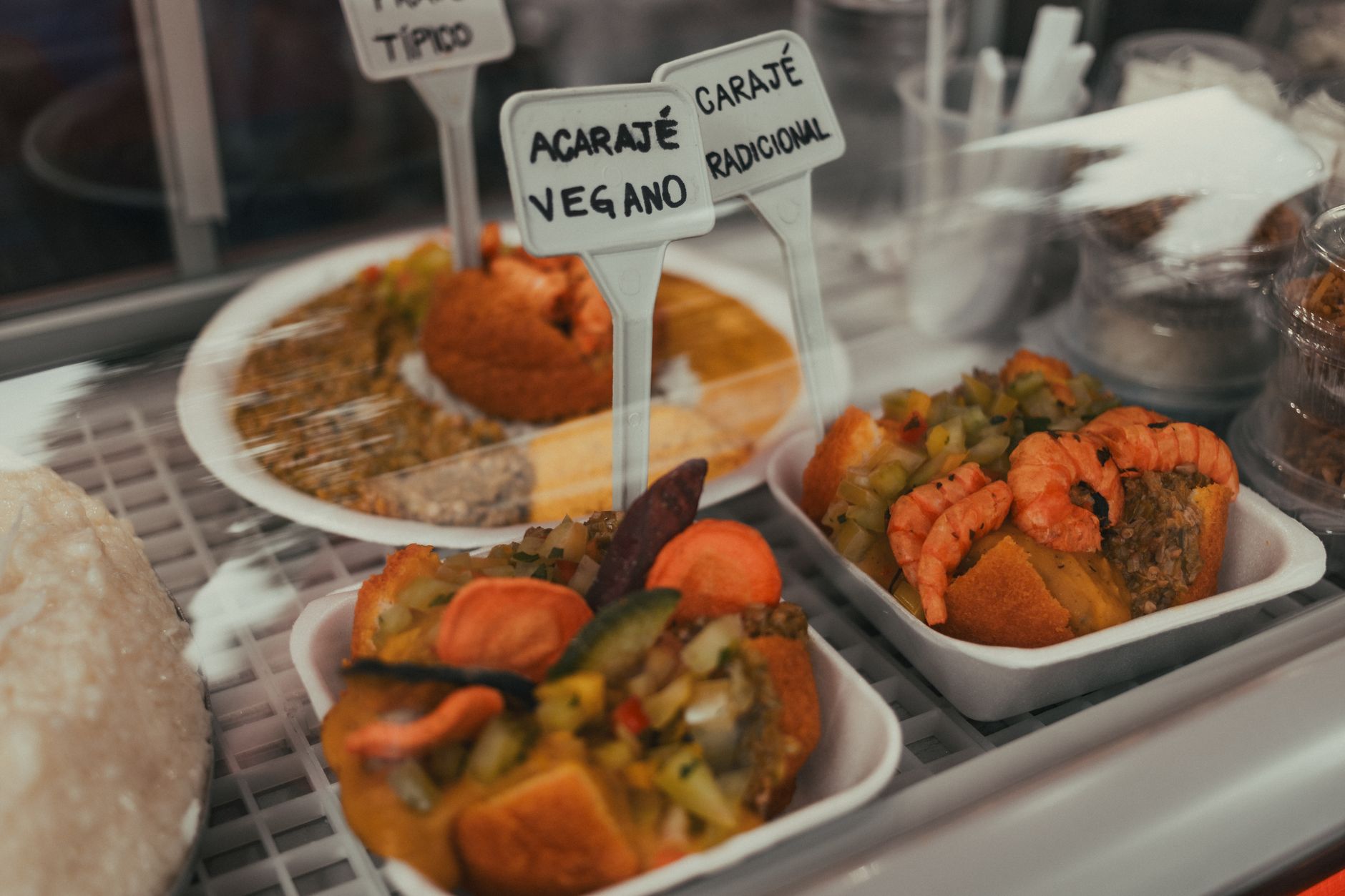
Black-eyed peas are a versatile legume, celebrated for their distinct flavor and myriad culinary applications. Originating from West Africa, these small, tan beans with a characteristic black mark are not just a staple in Southern cooking but also appreciated worldwide.
Their unique flavor, creamy texture, and nutritional benefits make black-eyed peas an excellent choice for various dishes, from hearty soups to refreshing salads. Understanding their characteristics and uses can elevate your cooking game!
What Are Black Eyed Peas?
Black-eyed peas are a type of cowpea, recognized for their distinctive appearance with a black eye on one side of the white or tan bean. They belong to the legume family and are rich in protein, fiber, and essential nutrients. Often used in Southern cuisine, they have become integral to dishes like Hoppin’ John and are popular in various cultures around the globe.
Flavor and Texture of Black Eyed Peas
The flavor of black-eyed peas is mild and earthy, allowing them to pair well with a variety of seasonings and ingredients. Their texture is creamy when cooked, yet they maintain a slight bite, making them an excellent addition to salads, stews, and other dishes. Their unique combination of flavor and texture helps them absorb the tastes of the ingredients they are alongside.
Culinary Uses
Black-eyed peas can be used in countless recipes, offering adaptability in both traditional dishes and modern culinary creations. Here are some popular uses:
- Soups and Stews: Adding depth and nutrition, black-eyed peas can enhance flavors in hearty soups.
- Salads: Toss them into a fresh salad for added protein and texture.
- Casseroles: Layered in casseroles, they contribute creaminess and absorb other flavors.
- Side Dishes: Cooked simply with spices and vegetables, they make an excellent side dish.
Cooking Black Eyed Peas
Cooking black-eyed peas can be accomplished in several ways. They can be prepared from dried beans or used from canned sources, depending on convenience and time. Here are the common methods:
1. Preparing Dried Black Eyed Peas
To begin with dried black-eyed peas, you must rinse and soak them before cooking. Here’s how to do it:
- Rinse the Beans: Carefully rinse one cup of dried black-eyed peas under cool water.
- Soak the Beans: Place the rinsed beans in a bowl and cover them with water. Soak overnight, or for quick soaking, bring them to a boil for two minutes, then let them sit for one hour.
- Cook the Beans: Drain the soaking water and place the beans in a pot with four cups of fresh water. Bring to a boil, then reduce heat to low and simmer for 30 to 45 minutes until tender. Drain excess water.
2. Using Canned Black Eyed Peas
If you’re short on time, canned black-eyed peas provide a convenient option. To use:
- Rinse the Beans: Drain and rinse the canned peas under cold water to reduce sodium levels.
- Heat the Beans: Place them in a saucepan over medium heat, stirring occasionally, until warmed through (approximately 5-10 minutes).
Storage and Reheating
Black-eyed peas can be stored appropriately to maintain their freshness. Here are some guidelines for storage:
Storage of Dried Black Eyed Peas
Store dried black-eyed peas in a cool, dark, dry place in an airtight container. They have a long shelf life, typically lasting for years when stored correctly.
Storage of Cooked Black Eyed Peas
Cooked black-eyed peas can be stored in an airtight container in the refrigerator for up to one week. To freeze, portion them out in freezer-safe bags, and they can last for about three months.
Reheating
When reheating, add a splash of water or broth to keep them moist. They can be microwaved, heated on the stovetop, or added directly into soups and stews.
Ingredient Substitutions
If you’re in a pinch and find that you don’t have black-eyed peas, or if you’re looking for a variation, consider these substitutions:
- Pinto Beans: Similar in texture and flavor, they can easily replace black-eyed peas in most recipes.
- Kidney Beans: Slightly earthier, kidney beans offer a different color and flavor but can be used in cocktails and salads.
- Chickpeas: A denser texture, chickpeas can be used in salads or stews but will impart a different flavor profile.
Common Mistakes to Avoid
When cooking black-eyed peas, consider these tips to ensure the best results:
- Avoid using hard water when cooking, as it can prevent beans from softening.
- Do not add acidic ingredients, such as tomatoes or vinegar, until after the beans are fully cooked, as they can impede softening.
- Ensure adequate water for cooking; beans should always be submerged to prevent burning.
Popular Black Eyed Peas Recipes
To get you started with black-eyed peas, here are a couple of popular recipes:
Hoppin’ John
This traditional southern dish combines black-eyed peas with rice, often served on New Year’s Day for good luck.
- Cook one cup of diced onions, one cup of diced bell peppers, and a ham hock in a large pot over medium heat until vegetables are soft.
- Add two cups of rinsed black-eyed peas and four cups of chicken broth. Season with salt and pepper.
- Bring to a boil, then reduce heat and simmer for 30-45 minutes until peas are soft.
- Serve over rice and enjoy!
Black Eyed Pea Salad
This refreshing salad is perfect for summer gatherings and is highly nutritious.
- Combine one can of drained and rinsed black-eyed peas with one cup of diced tomatoes, one cup of diced cucumber, and one diced red onion in a bowl.
- In a separate container, mix 1/4 cup of olive oil, 2 tablespoons of apple cider vinegar, one teaspoon of garlic powder, salt, and pepper to taste.
- Pour dressing over the salad and toss well before serving.
Conclusion
Understanding and utilizing black-eyed peas in your cooking not only enhances the dishes you create but also adds a nutritious component to your meals. Their versatility in various cuisines makes them a worthy addition to any pantry. Experiment with different preparations and enjoy their unique flavor and texture!
For more culinary inspiration, explore our delicious pasta and peas recipe or try our flavorful southern pinto beans recipe for a satisfying meal.