
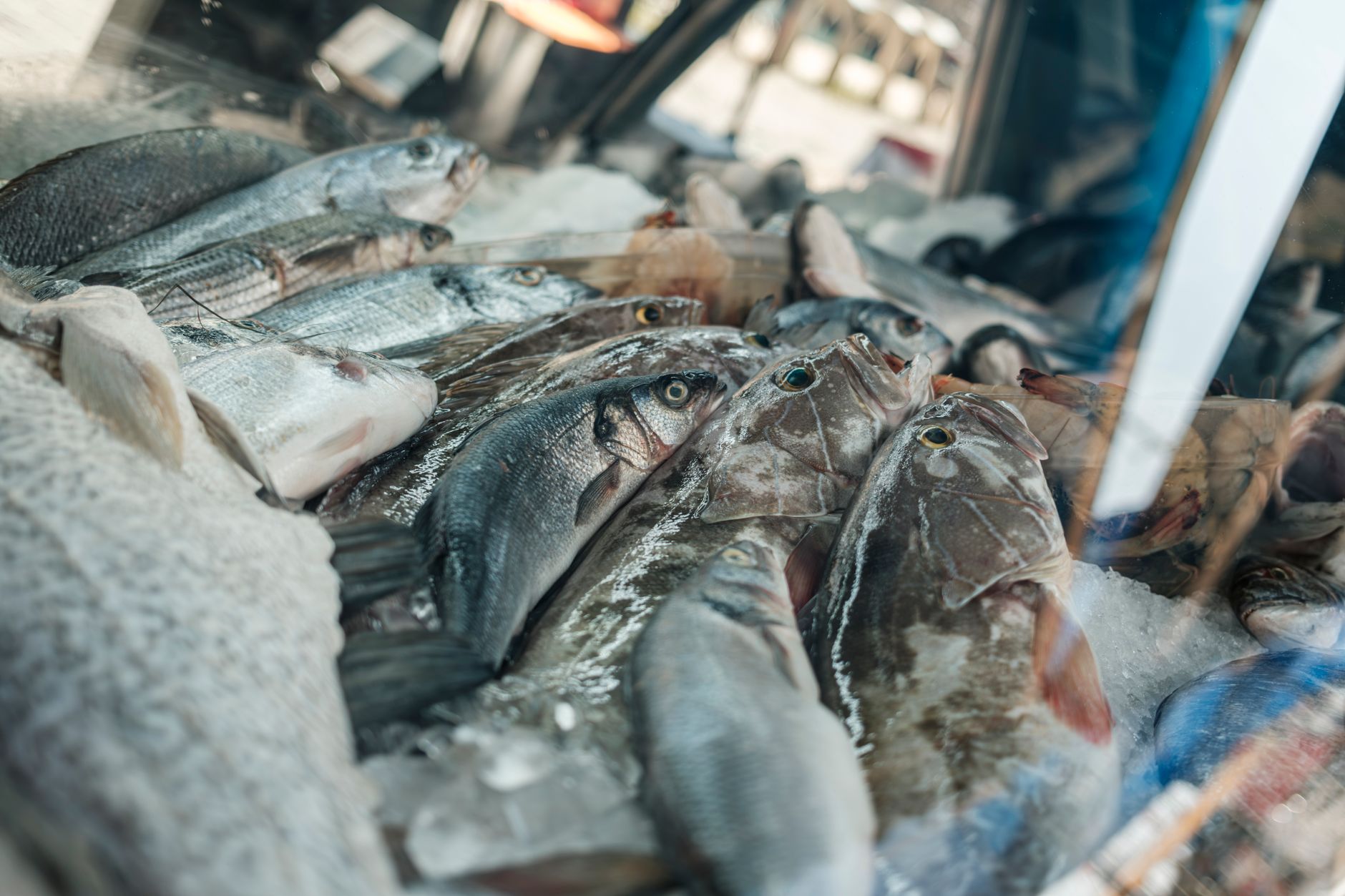
Storing raw fish correctly is crucial for maintaining its quality and safety. If you’ve ever wondered how long raw fish can stay fresh in the fridge, you’re not alone. Proper storage will not only help extend its shelf life but will also minimize the risk of foodborne illnesses.
This guide will detail the storage life of various types of raw fish, provide tips for ensuring freshness, and suggest proper handling practices to prevent spoilage. With the right knowledge, you can enjoy your seafood safely and deliciously!
How Long Is Raw Fish Good in the Fridge?
Raw fish is generally good for 1 to 2 days when stored in the fridge at a temperature of 32°F to 38°F (0°C to 3°C). However, different types of fish can vary in their shelf life based on various factors such as freshness at the time of purchase, storage conditions, and handling practices.
Factors Affecting Freshness of Raw Fish
Understanding the factors that contribute to the freshness of raw fish will help you make more informed decisions about its storage and handling.
Type of Fish
Different types of fish have varying shelf lives. For example, fatty fish like salmon and mackerel may spoil faster than leaner fish like cod. It’s essential to know the specific type of fish you are purchasing to gauge its freshness accurately.
Quality at Purchase
The quality of fish at the point of purchase significantly influences how long it will stay fresh. Always buy fish from reputable suppliers and look for indicators of freshness such as clear eyes, firm flesh, and a mild smell.
Storage Conditions
Temperature plays a critical role in the shelf life of raw fish. Proper refrigeration is essential, as storing fish at temperatures higher than 38°F (3°C) will encourage bacterial growth and spoilage. Make sure your refrigerator is functioning correctly and maintains appropriate temperatures.
Handling Practices
Cross-contamination can shorten the shelf life of raw fish. Always use clean utensils and cutting boards, and wash your hands before and after handling fish. Avoid letting fish sit at room temperature for an extended period, as this can significantly reduce its freshness.
Types of Raw Fish and Their Storage Life
Here’s a breakdown of various types of raw fish and how long they can stay good in the fridge.
Fatty Fish
- Salmon: 1 to 2 days
- Mackerel: 1 to 2 days
- Tuna (albacore): 1 to 2 days
Lean Fish
- Cod: 2 to 3 days
- Haddock: 2 to 3 days
- Flounder: 2 to 3 days
Shellfish
- Shrimp: 1 to 2 days
- Scallops: 1 to 2 days
- Crab: 1 to 2 days
Other Considerations
It is crucial to consider additional factors that may affect the freshness of the fish. For instance, fillets usually spoil faster than whole fish due to a higher surface area exposed to air and bacteria.
How to Store Raw Fish Properly
Storing raw fish correctly goes beyond just placing it in the fridge. Here are practical tips for ensuring your fish remains fresh for as long as possible.
Keep It Cool
When purchasing fish, aim to get it home as quickly as possible. Consider using insulated bags or coolers, especially on hot days. Once home, place the fish in the coldest part of your refrigerator. If possible, avoid storing it in the door, as this area often experiences temperature fluctuations.
Choose the Right Packaging
If your fish is not purchased in vacuum-sealed packaging, consider wrapping it tightly in plastic wrap or aluminum foil to minimize exposure to air. This helps to prevent oxidation and keeps moisture in. If you notice any moisture build-up, remove the wrapping and replace it with dry wrap.
Use Ice
One effective method of keeping fish fresh is to store it on a bed of ice. Place fish in a bowl or a pan and cover it with ice, draining any melted water regularly to maintain cold temperatures. This method can extend freshness an additional one to two days.
Label and Date
When storing fish, it’s helpful to label it with the date of purchase. This way, you can track how long it has been in the fridge and ensure you consume it before it goes bad.
Signs of Spoiled Fish
Knowing when fish has gone bad is essential for food safety. Here are some visual and sensory cues to look for:
Visual Inspection
- Color Changes: Fresh fish should have a bright, vibrant color. If it appears dull or discolored, it may be spoiled.
- Texture: Fresh fish is firm to the touch, while spoiled fish may feel mushy or slimy.
- Eyes: For whole fish, the eyes should be clear and bulging. Cloudy or sunken eyes indicate freshness loss.
Smell Test
While all fish have a distinct smell, a strong, sour, or ammonia-like odor is a sign of spoilage. Fresh fish should smell like the ocean—clean and mild.
Handling and Preparing Raw Fish Safely
When working with raw fish, proper handling practices are crucial to minimize the risk of foodborne illnesses.
Cleanliness Is Key
Before handling raw fish, wash your hands thoroughly with soap and water. Use clean utensils, cutting boards, and surfaces to avoid cross-contamination with other foods.
Keep It Cold
Minimize the time that raw fish sits out at room temperature. If you are preparing several dishes, keep the fish on ice or inside the refrigerator until ready to use.
Use a Food Thermometer
If you are unsure about the freshness, or if you are cooking fish, consider using a food thermometer. For safety, cook fish until it reaches an internal temperature of 145°F (63°C).
Storing Fish in the Freezer
If you are unsure that you will consume raw fish within the recommended refrigeration time, consider freezing it. Freezing can extend the shelf life significantly.
Freezing Guidelines
- Wrap the fish tightly in freezer paper or plastic wrap to protect it from freezer burn.
- Use airtight plastic bags or vacuum-sealed bags for the best results.
- Label each item with the type of fish and the date it was frozen.
Most fish can be safely stored in the freezer for up to six months. However, fatty fish should ideally be consumed within three months for optimal quality.
Defrosting Frozen Fish
When ready to use frozen fish, the safest method to defrost it is in the refrigerator. This method takes longer but ensures that the fish stays at a safe temperature during the thawing process.
If you need to defrost faster, you can place the fish in a sealed bag and submerge it in cold water. Just avoid the microwave as it may begin to cook the fish unevenly, altering the texture and flavor.
Cooking with Raw Fish
If you have decided to cook your raw fish, there are numerous ways to prepare it, ranging from grilling and baking to poaching and frying. Here are some popular methods:
Grilling
This method gives fish a delicious smoky flavor. Before grilling, marinate the fish in olive oil, lemon juice, and your choice of herbs to enhance its taste. Grill for about six to eight minutes on each side, depending on the thickness of the fillet.
Baking
Baking is a simple, healthy cooking method. Preheat your oven to 375°F (190°C). Place fish on a lined baking sheet, season, and bake for about 20 minutes or until the fish flakes easily with a fork.
Poaching
This technique involves gently cooking fish in simmering water or broth. It’s an excellent method for preserving moisture. Cook for about 10-12 minutes per inch of thickness, ensuring the internal temperature reaches 145°F (63°C).
Conclusion
Understanding the shelf life of raw fish and proper storage methods can significantly enhance your cooking experience and food safety. By keeping your fish fresh for longer periods, you can ensure that meals are both delicious and safe.
If you’re looking to continue your culinary exploration, consider checking out more about how long chicken stays good in the fridge or how long cooked ground beef is good in the fridge for more safe storage tips.