
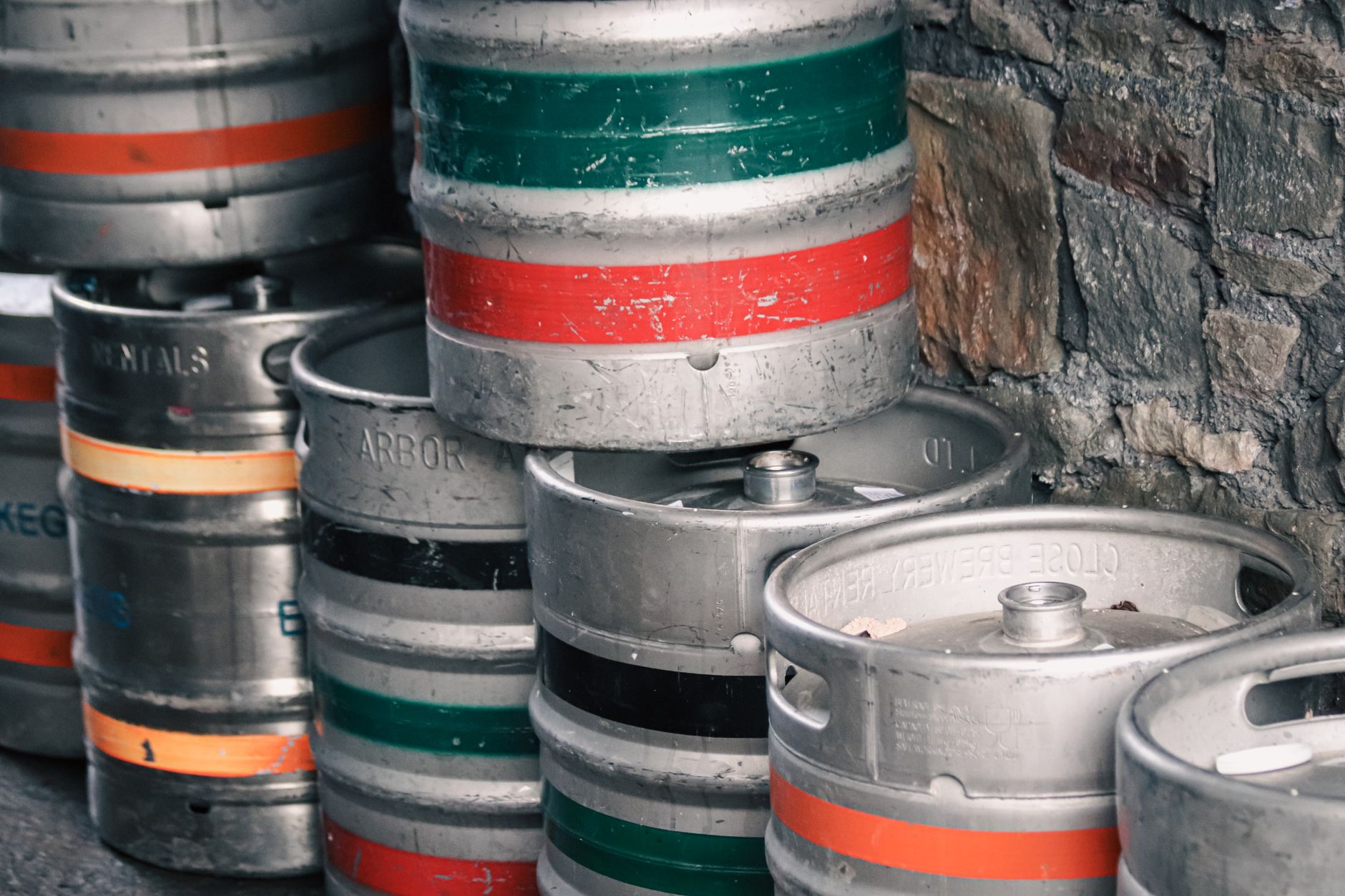
Understanding how many ounces are in a keg of beer is essential for both beer enthusiasts and those planning events like parties, barbecues, or weddings. This knowledge can help you choose the right size of keg for your gathering and manage consumption effectively.
Beer kegs come in various sizes, with the most common being the half-barrel keg, which is often served in bars and restaurants. In this article, we will break down the different types of beer kegs, their capacities in ounces, and provide conversion tips for when you’re planning your next beer-centric event.
How Many Ounces Are in a Keg of Beer?
A standard half-barrel keg, the most common type found in bars, holds 1,984 ounces of beer. Other keg sizes vary significantly, so it’s essential to know the capacity of the keg you’re using for accurate pour measurements and to estimate the number of servings available.
Types of Beer Kegs
Beer kegs come in various sizes, which can affect how many ounces of beer they hold. The most popular keg sizes include the half-barrel, quarter-barrel, and sixth-barrel kegs. Each keg type serves a different volume of beer and is suitable for different occasions. Let’s explore these sizes in detail:
Half-Barrel Keg
- Volume: 1,984 ounces
- Equivalent in Pints: 124 pints
- Equivalent in 12-ounce Servings: 165 servings
The half-barrel keg is the most common keg size used in bars and restaurants. It’s ideal for larger gatherings or events where you expect a higher volume of consumption.
Quarter-Barrel Keg (Pony Keg)
- Volume: 992 ounces
- Equivalent in Pints: 62 pints
- Equivalent in 12-ounce Servings: 83 servings
The quarter-barrel keg, often referred to as a pony keg, is a popular option for smaller parties or gatherings. It offers a good balance of volume without being too overwhelming.
Sixth-Barrel Keg (Sixtel)
- Volume: 553 ounces
- Equivalent in Pints: 41 pints
- Equivalent in 12-ounce Servings: 46 servings
The sixth-barrel keg is the smallest standard keg and is perfect for intimate gatherings or events where a smaller variety of beers is desired. It allows for more flexibility in beer selection without excessive leftovers.
Other Keg Sizes
In addition to the above sizes, there are other less common keg sizes, such as the mini-keg (5 liters or 169 ounces) and the standard imperial barrel (approximately 2.5 gallons or 320 ounces), although these are not used as frequently. Understanding these sizes can provide more options for beer enthusiasts.
Calculating Servings from a Keg
To help you plan for your gathering, knowing how to calculate the number of servings from a keg is essential. This calculation can help you determine if you need to purchase another keg or if one will suffice.
Basic Calculation
To figure out how many servings you can get from a keg, you divide the total volume of the keg by the serving size. Here’s a simple formula you can follow:
- Number of Servings = Volume of Keg (in ounces) / Size of Serving (in ounces)
For example, if you use a half-barrel keg:
- Total Volume: 1,984 ounces
- Serving Size: 12 ounces
- Calculation: 1,984 ounces ÷ 12 ounces = 165 servings
Estimating for Popular Serving Sizes
Understanding how many servings you can get from different keg sizes at popular serving sizes can help you with event planning:
- Half-Barrel Keg: 1,984 ounces (165 servings at 12 ounces each)
- Quarter-Barrel Keg: 992 ounces (83 servings at 12 ounces each)
- Sixth-Barrel Keg: 553 ounces (46 servings at 12 ounces each)
Factors Influencing Beer Consumption at Events
When planning an event, several factors can influence how much beer guests will consume. Understanding these factors can help you make an informed decision regarding the size of the keg(s) you purchase:
Type of Event
The nature of your event can greatly influence beer consumption. A casual backyard barbecue may have different consumption patterns compared to a wedding reception or sports viewing party. Consider the formality and duration of the event while selecting keg sizes.
Guest Preferences
Consider the beer preferences of your guests. If your group enjoys craft beers or a particular style, you may want to offer a wider variety, which might mean smaller kegs. Alternatively, if your guests tend to stick with popular mainstream beers, a larger keg might be appropriate.
Duration of the Event
Longer events tend to see more consumption. Plan accordingly by either opting for larger kegs or having backup kegs on hand. For shorter events, such as a two-hour cocktail party, a smaller quarter-barrel keg might suffice.
Additional Beverage Options
While beer is often the star of the show, it can be wise to offer additional beverage options to accommodate all guests. Here are some popular alternatives to consider:
Cocktails
If you have guests who may not be beer drinkers, consider serving a signature cocktail or two. This creates a well-rounded beverage selection and can enhance the overall experience.
Non-Alcoholic Beverages
Don’t forget to include non-alcoholic options for guests who may choose not to drink alcohol. Soda, iced tea, and sparkling water are great additions to your beverage table.
Wine and Cider
Offering wine or hard cider can diversify the drink selection, providing options for both beer aficionados and those preferring milder beverages.
Tips for Serving Beer from a Keg
Once you’ve chosen the right keg and are prepared for your event, consider these practical tips for serving beer to ensure an enjoyable experience for your guests:
Proper Cooling
Keep the keg chilled properly, preferably at around 38°F (3°C). This temperature will help maintain the beer’s flavor and carbonation. Keg coolers and ice baths can assist in keeping the beer cold throughout your event.
Use a Quality Tap System
Investing in a good quality tap system can enhance the beer-drinking experience. Ensure it is clean and set up correctly. A poorly functioning tap can cause excessive foam and waste beer.
Pour Techniques
Educate your guests on proper pouring techniques to reduce foaming. Encourage them to angle their glass at a 45-degree angle when filling and then straighten it as the glass is filled to about three-quarters full to create a nice head of foam.
Common Mistakes When Buying Kegs
Even seasoned hosts can make mistakes when purchasing or serving kegs. Here are some common pitfalls to avoid:
Not Knowing Your Guest Count
Underestimating the number of guests can lead to insufficient beer. Always plan for extra guests and consider the average consumption rate, which is typically around two drinks per person for the first hour and one drink per hour afterwards.
Overlooking Beer Styles
Offering only one type of beer may leave some guests disappointed. Aim for a variety that caters to different tastes. This can include lager, IPA, and stout options.
Failing to Plan for Waste
Spillage and foam can lead to waste, especially if your pouring techniques aren’t on point. Always plan a bit of a buffer for waste, especially for larger crowds.
Storing and Transporting Kegs
When you bring a keg into your home or event space, there are specific guidelines you should follow to ensure the best experience both in storage and transport.
Proper Storage
Store your keg in a cool, dark place away from heat sources. If you have not yet tapped the keg, it can be stored at room temperature. However, once tapped, it should be kept chilled.
Transporting Kegs
When transporting kegs to an event location, ensure they are secured to prevent rolling or tipping, which can lead to spills and waste. If using a vehicle without a trunk, consider putting a tarp down to protect the car’s interior.
Conclusion
Understanding how many ounces are in a keg of beer and the nuances of keg sizes will empower you to make informed decisions for your next event. Whether you choose a half-barrel for a large party or a sixth-barrel for a smaller gathering, the right keg can enhance your event and delight your guests.
For your next steps in planning delicious meals or drinks to accompany your beer, consider exploring our guides on beer can chicken recipes or take a closer look at the options available in Bud Light can recommendations.