
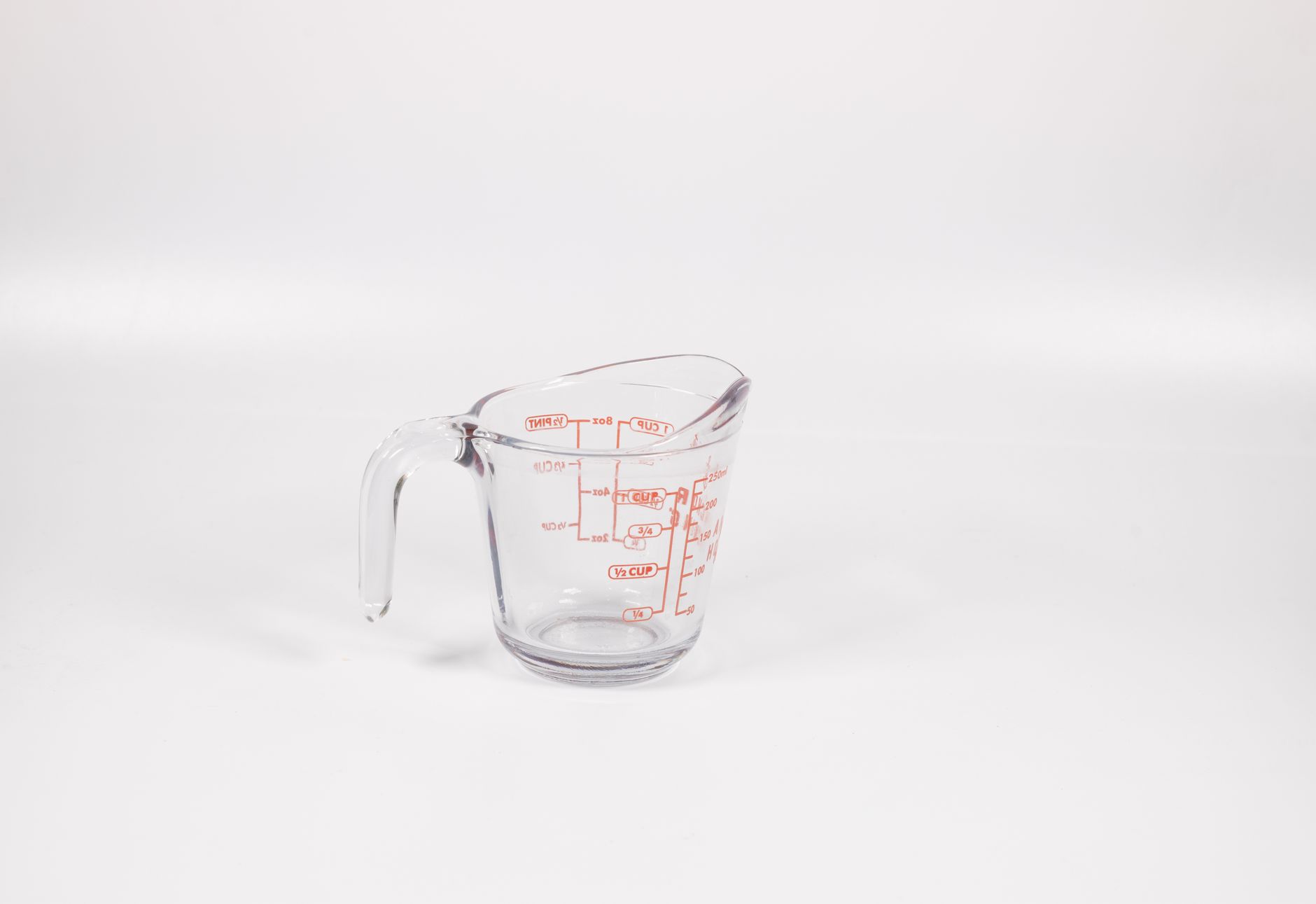
Understanding measurement conversions is crucial in cooking and baking to ensure accuracy and consistency. One common conversion that often arises is how many cups are in a pint. Knowing this can affect the outcome of a dish, especially when baking or following a recipe precisely.
This article will explore the conversion of pints to cups, provide practical measuring tips, and discuss how this knowledge can support your culinary adventures.
How Much Cups Are in a Pint?
There are 2 cups in a pint. This measurement is essential for anyone looking to convert liquid measurements accurately in the kitchen, especially when following recipes that use different units.
The Basics of Measuring Liquids and Solids
In cooking and baking, accurate measuring is vital for achieving the desired flavor, texture, and consistency. Here are key points to consider when measuring both liquids and solids:
- Use the Right Tools: For liquids, use a liquid measuring cup, typically glass or plastic with a spout, for easy pouring. For dry ingredients, use dry measuring cups that are leveled off to ensure accuracy.
- Read at Eye Level: When measuring liquids, ensure you read the measurement at eye level. This ensures accuracy since the meniscus (the curve of the liquid) can distort the measurement if viewed from above or below.
- Level Off Dry Ingredients: When measuring dry ingredients, such as flour or sugar, scoop and then level off the excess using a straight edge, like a knife, to have the right amount.
Different Measurement Systems
Cooking measurements can vary based on the system used. In the United States, the customary system is common, whereas many other countries utilize the metric system. Here’s a quick overview of how pints, cups, and other measurements convert across these systems:
| Measurement | US Customary | Metric |
|---|---|---|
| 1 Pint | 2 Cups | 473.176 mL |
| 1 Cup | 8 Fluid Ounces | 236.588 mL |
| 1 Fluid Ounce | 1/8 Cup | 29.573 mL |
Practical Applications of Pint to Cup Conversions
Understanding the conversion between pints and cups becomes practical when following recipes, batching meals, or even planning for events. Here are a few scenarios:
Baking
When baking, precise measurements are critical. If a recipe calls for a pint of buttermilk or cream, knowing this translates to 2 cups allows you to measure accurately without guesswork, preventing potential baking mishaps.
Cooking
In cooking, especially when making sauces or soups, knowing how to convert measurements ensures dish consistency. For instance, if a recipe calls for 1 pint of stock, you can confidently use 2 cups instead.
Meal Prep and Planning
In meal preparation, you might encounter bulk ingredient quantities. If you’re doubling or cutting a recipe in half, understanding how many cups are in a pint allows you to adjust your ingredient list efficiently.
How to Convert Pints to Cups and Other Measurements
Conversion skills in the kitchen are valuable, particularly if you’re an avid baker or home chef. Here’s a straightforward approach to converting pints to cups.
- Identify the number of pints you have.
- Multiply that number by 2 to convert to cups. For example, if you have 3 pints, the calculation will be 3 x 2 = 6 cups.
Common Measuring Mistakes to Avoid
Even experienced cooks can make measurement mistakes, leading to unsatisfactory results. Here are some common pitfalls to avoid:
- Not Leveling Ingredients: For dry measures, neglecting to level off can lead to too much or too little of an ingredient.
- Overpouring Liquids: When pouring liquids, it’s easy to exceed the desired measurement. Take your time and pour slowly.
- Using Different Measuring Cups: Ensure that the measuring cup used matches the type of measurement (liquid versus dry).
- Not Measuring Ingredients Separately: Sometimes, recipes become complex when multiple ingredients are mixed. Measure each ingredient separately for accuracy.
Tips for Accurate Measuring
Here are some practical tips to enhance your measuring accuracy in the kitchen:
- Use a Digital Kitchen Scale: For recipes that require precise measurements, especially in baking, consider using a kitchen scale. This is particularly important when dealing with ingredients like flour, which can vary in density.
- Know Your Ingredients: Familiarize yourself with commonly used ingredients and their relative weights. This can make conversions easier.
- Practice Your Techniques: Regular practice with measuring will hone your skills over time. Measure a variety of ingredients to develop your confidence.
Common Ingredients Measured in Pints
Here are some common ingredients that you might measure in pints, along with additional conversion information:
- Milk: Often called for in baking, milk is essential for everything from pancakes to cake batter.
- Cream: Used in sauces and desserts; remember to measure accurately for the desired texture.
- Broth or Stock: Key in soups and stews, knowing how much will ensure your dishes are hearty and flavorful.
- Vegetables: Diced tomatoes or similar products might be measured in pints when preparing large batch recipes.
Baking with Pints
When baking, using incorrect liquid measurements can ruin a recipe. Thus, precision is paramount.
If you’re following a recipe that calls for a pint of liquid, remember that it converts to 2 cups. If you’re substituting or using a different ingredient, ensure the new component has a similar consistency or density to maintain the recipe’s integrity.
For example, if you’re making a rich and creamy soup and need to replace heavy cream with milk, consult a conversion chart to see how to adjust based on viscosity.
Storing Ingredients Measured in Pints
Proper storage techniques can affect the quality of ingredients. Here are some tips for storing ingredients that are often measured in pints:
- Store Dairy Products in the Coldest Part of the Refrigerator: Ensure milk and cream are properly sealed to extend shelf life.
- Keep Broths and Stocks in Air-tight Containers: If you make large batches and store them, good sealing will prevent spoilage.
- Use Clean Containers for Leftovers: After opening a can of vegetables or broth, transfer the leftovers to glass or BPA-free plastic containers for fresh storage.
Conclusions on Pints and Cups
The conversion between pints and cups is simple yet essential for anyone who loves to cook or bake. Understanding that there are 2 cups in a pint will enhance your kitchen precision and make your cooking endeavors smoother.
Next time you’re faced with a recipe that requires these conversions, remember these tips and tools to help measure accurately. Mastering this skill will elevate your culinary creations.
If you’re interested in learning more about measurements in cooking, check out these related articles: how many cups of water for 1 cup of rice and the difference between bleached and unbleached flour.