
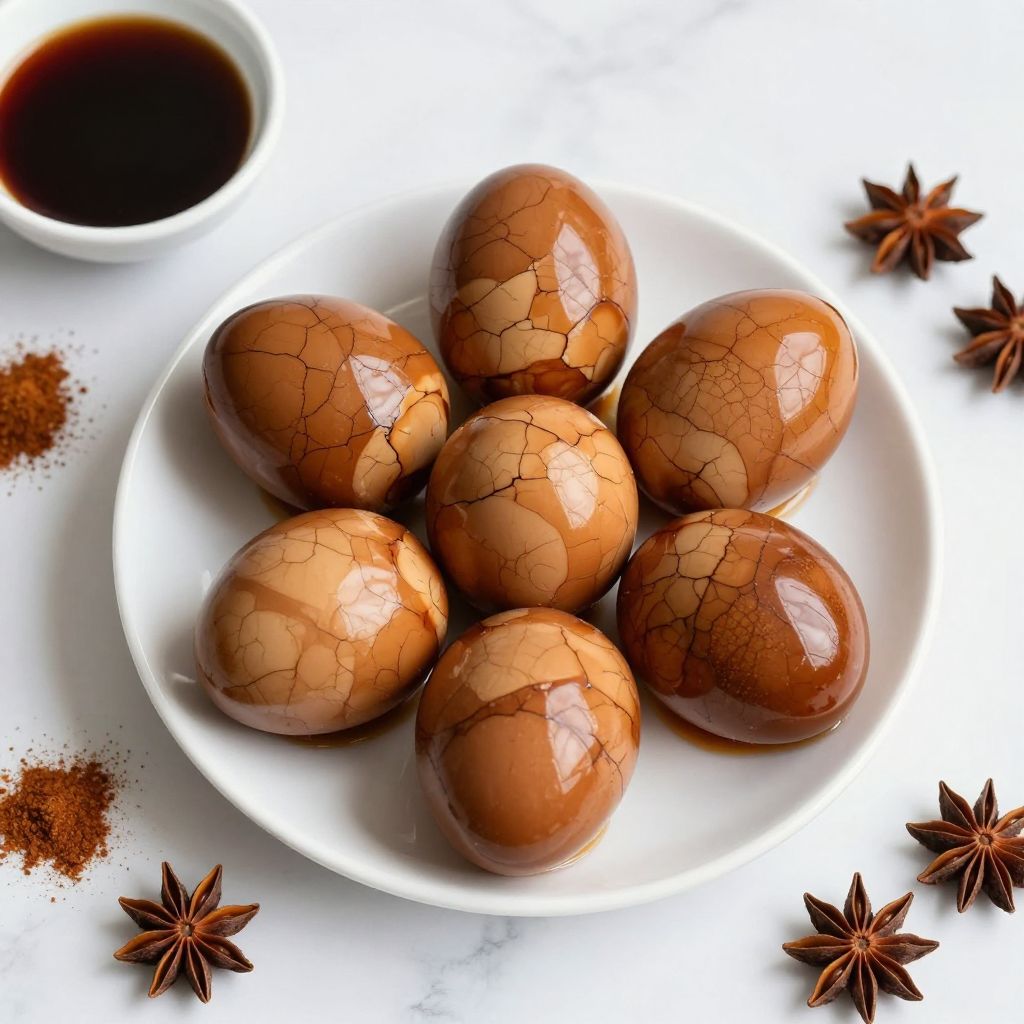
There’s something undeniably cozy about the aroma of a good brew wafting through the kitchen, and that’s exactly what awaits when you make Tea Eggs. These beautifully marbled eggs, steeped in a savory blend of spices and tea, are not just a treat for the taste buds but also a feast for the eyes. The deep flavors and unique texture make them perfect for snacking or adding to your favorite dishes.
What sets these eggs apart is their easy preparation and versatility, making them a delightful addition to any meal. Whether you’re enjoying them on their own or as part of a larger spread, they are sure to impress. Let’s dive into how to make these stunning eggs!
Why You’ll Love This Recipe
These Tea Eggs are a delightful twist on traditional boiled eggs that everyone can enjoy.
- Beautiful marbling that makes for an impressive presentation.
- Rich, savory flavors that elevate any dish.
- Easy to prepare and requires minimal hands-on time.
- Perfect for meal prep or a quick snack.
- Versatile; they can be enjoyed hot or cold.
My Experience Making This Recipe
When I first tried making Tea Eggs, I was curious about the process. Watching the eggs transform from simple boiled eggs to beautifully marbled delights was quite satisfying.
Each bite was a burst of flavor, with hints of tea and spices. My friends couldn’t believe I made them at home!
Recipe Overview
- Recipe Name: Tea Eggs
- Servings: 6 eggs
- Prep Time: 10 minutes
- Cook Time: 1 hour 15 minutes
- Total Time: 1 hour 25 minutes
- Course: Snack
- Cuisine: Chinese
- Calories per Serving: 70
Equipment You Will Need
- Medium saucepan
- Slotted spoon
- Small bowl
- Tea infuser or cheesecloth
- Stirring spoon
Ingredients for Tea Eggs
- 6 large eggs
- 2 tablespoons soy sauce
- 2 tablespoons black tea leaves or 2 tea bags
- 1 tablespoon Chinese five-spice powder
- 1 teaspoon salt
- 4 cups water
- Optional: 1 star anise for added flavor
Ingredient Notes and Substitutions
- Eggs: Used for their protein and texture; you can substitute with duck eggs for a richer flavor.
- Soy sauce: Adds saltiness and depth; tamari can be used for a gluten-free version.
- Black tea: Imparts a deep flavor; green tea can be used for a lighter taste.
- Chinese five-spice powder: Provides a unique spice blend; use individual spices like cinnamon, cloves, and ginger if unavailable.
- Salt: Enhances overall flavor; sea salt is a great substitute.
How to Make Tea Eggs
Step 1: Boil the Eggs
Place the eggs in a medium saucepan and cover them with water. Boiling them first creates a solid base for the marbling effect.
Step 2: Cool and Crack the Eggs
Once boiled, remove the eggs and place them in an ice bath for about 5 minutes. This makes them easier to handle and helps create those lovely cracks.
Step 3: Crack the Shells
Gently tap the eggs on a hard surface to create cracks all over the shell. These cracks allow the tea mixture to seep in, creating the marbled effect.
Step 4: Prepare the Tea Mixture
In the same saucepan, combine the soy sauce, black tea, five-spice powder, salt, and water. This mixture will impart flavor and color to the eggs.
Step 5: Add the Eggs to the Mixture
Carefully place the cracked eggs back into the saucepan with the tea mixture. This step is essential for soaking the eggs in flavor.
Step 6: Simmer the Eggs
Bring the mixture to a boil, then reduce the heat to low and cover. Let them simmer for 1 hour to allow the flavors to meld beautifully.
Step 7: Let the Eggs Steep
After simmering, turn off the heat and let the eggs sit in the mixture for at least 30 minutes. The longer they steep, the more intense the flavor and color will be.
Step 8: Peel and Serve
Once cooled, gently peel the eggs to reveal the marbled pattern. Enjoy them warm or refrigerate for later use.
Pro Tip: For deeper flavor, let the eggs steep in the mixture overnight in the refrigerator.
Tips for the Best Tea Eggs
- Use fresh eggs for the best texture and flavor.
- Experiment with different teas to find your favorite flavor profile.
- Adjust the spice levels according to your taste preferences.
- For a richer color, allow the eggs to steep longer.
- Don’t skip the ice bath; it helps with peeling and prevents overcooking.
Common Mistakes to Avoid
- Not cracking the eggs enough; this prevents proper marbling.
- Using old eggs; fresh eggs peel easier and taste better.
- Skipping the simmering step; this is crucial for flavor infusion.
- Rushing the steeping process; patience is key for the best results.
Serving Suggestions
These Tea Eggs are perfect on their own or as part of a larger meal. Pair them with rice, noodles, or a fresh salad for a balanced dish.
- Serve with steamed rice and soy sauce.
- Add to a noodle bowl for extra protein.
- Include in a bento box for a delightful lunch.
- Enjoy with pickled vegetables for a flavor contrast.
Variations to Try
- Try adding chili flakes for a spicy kick.
- Substitute green tea for a lighter flavor.
- Add a splash of orange juice for a citrusy twist.
- Use herbal teas for a unique flavor profile.
Dietary Adaptations
- Gluten-free: Use gluten-free soy sauce or tamari.
- Dairy-free: This recipe is naturally dairy-free.
- Vegan/Vegetarian: Substitute eggs with tofu for a plant-based version.
- Low-carb/Keto: The recipe is low in carbs, perfect for keto diets.
Storage and Reheating
Refrigerator
Store any leftover eggs in an airtight container in the refrigerator.
- They can last up to one week.
- The longer they sit, the more flavor they absorb.
Freezer
While it’s not ideal to freeze boiled eggs, you can freeze the cooked yolks for later use.
- Separate the yolks from the whites before freezing.
- Wrap the yolks tightly in plastic wrap.
Reheating
Reheat eggs gently in a simmering water bath to avoid overcooking.
- Avoid microwaving, as it can cause uneven heating.
Nutrition Information
| Nutrient | Amount |
|---|---|
| Calories | 70 |
| Total Fat | 5g |
| Saturated Fat | 1.5g |
| Carbohydrates | 1g |
| Fiber | 0g |
| Sugar | 0g |
| Protein | 6g |
| Sodium | 150mg |
| Cholesterol | 210mg |
This information may vary based on exact ingredients and preparation methods.
Frequently Asked Questions
Can I make these ahead of time?
Yes, these eggs can be made a day or two in advance, and they often taste even better after steeping longer.
What can I substitute for black tea?
Green tea or herbal tea can be used as alternatives, each providing a unique flavor.
How do I store leftover eggs?
Store leftover eggs in an airtight container in the refrigerator for up to a week.
Why are my eggs not marbled?
Insufficient cracking of the shells can prevent proper marbling; ensure you create enough cracks.
Can I eat these eggs cold?
Absolutely! They can be enjoyed both warm and cold, making them versatile for meals or snacks.
Final Thoughts
Making Tea Eggs is a rewarding and simple process that brings a unique twist to your typical egg dishes. I encourage you to give this recipe a try and enjoy the delightful flavors and lovely appearance.
If you’re looking for more culinary inspiration, be sure to explore other recipes like Clove Tea or Dandelion Tea. Happy cooking!
Tea Eggs
Ingredients
Equipment
Method
- Place the eggs in a medium saucepan and cover them with water.
- Boil the eggs for 10 minutes.
- Once boiled, remove the eggs and place them in an ice bath for about 5 minutes.
- Gently tap the eggs on a hard surface to create cracks all over the shell.
- In the same saucepan, combine the soy sauce, black tea, five-spice powder, salt, and water.
- Carefully place the cracked eggs back into the saucepan with the tea mixture.
- Bring the mixture to a boil, then reduce the heat to low and cover.
- Let them simmer for 1 hour.
- After simmering, turn off the heat and let the eggs sit in the mixture for at least 30 minutes.
- Once cooled, gently peel the eggs to reveal the marbled pattern.