
There’s something almost magical about the moment you pour hot water over whole cloves and watch the kitchen fill with their warm, spicy aroma. Clove tea transforms a simple cup into a soothing ritual that feels both exotic and deeply comforting.
This recipe delivers bold flavor without any fuss, making it perfect for chilly evenings, post-meal digestion, or whenever you need a moment of calm. The beauty of clove tea lies in its simplicity: a handful of ingredients steep together to create something far greater than the sum of their parts.
Why You’ll Love This Recipe
Clove tea is a no-nonsense drink that rewards you with impressive flavor and real health benefits.
- Naturally caffeine-free, so you can enjoy it anytime without affecting sleep
- Takes only 10 minutes from kettle to cup
- Warming spice notes that feel luxurious and grounding
- Aids digestion and soothes minor stomach discomfort
- Budget-friendly with pantry staples you probably already own
My Experience Making This Recipe
I first made clove tea on a random Wednesday evening when I had a stubborn craving for something warm but felt tired of regular coffee. The whole cloves released their oils slowly as the water heated, creating an aroma that pulled my entire household into the kitchen.
My kids, who normally turn their noses up at herbal drinks, actually asked for their own cups. What surprised me most was how the flavor deepened after the first sip, revealing layers of sweetness beneath that initial spice punch.
Now I brew a pot whenever someone in our house feels under the weather or when we want to wind down after dinner. It’s become one of those recipes that feels both special and utterly effortless.
Recipe Overview
- Recipe Name: Clove Tea
- Servings: 1 cup (easily multiplied)
- Prep Time: 2 minutes
- Cook Time: 8 minutes
- Total Time: 10 minutes
- Course: Beverage
- Cuisine: Global (used in Ayurvedic, Traditional Chinese, and Middle Eastern practices)
- Calories per Serving: 0 calories
Equipment You Will Need
- Kettle or pot for boiling water
- Mug or teacup
- Teaspoon for measuring
- Strainer or fine-mesh sieve
- Small spoon for stirring
- Thermometer (optional, but helpful for precision)
Ingredients for Clove Tea
- Whole cloves: 4 to 6 cloves
- Water: 8 to 10 ounces (about 1 cup)
- Honey: 1 teaspoon (optional, for sweetness)
- Lemon juice: 1/2 teaspoon (optional, for brightness)
- Cinnamon stick: 1 small piece (optional, for warmth)
Ingredient Notes and Substitutions
- Whole cloves deliver the strongest flavor because they release oils slowly during steeping, creating complexity that ground cloves cannot match. Substitute with 1/4 teaspoon ground cloves if whole cloves are unavailable, though the flavor will be more muted and the texture different.
- Honey adds natural sweetness and its own mild medicinal properties without overpowering the tea. Agave nectar or maple syrup work well here, though they’ll shift the flavor profile slightly.
- Lemon juice brightens the heavy spice notes and enhances the absorption of certain compounds in cloves. Lime juice offers a sharper citrus note if you prefer more edge.
- Cinnamon stick complements clove’s warmth without competing for attention. Cardamom pods create a more exotic flavor if you want to experiment.
How to Make Clove Tea
Step 1: Measure Your Water
Pour 8 to 10 ounces of fresh water into your kettle. Using fresh, filtered water makes a noticeable difference because old or stale water can mute the delicate spice notes.
Step 2: Heat the Water to a Rolling Boil
Turn the heat to high and allow the water to reach a rolling boil (about 212 degrees Fahrenheit). Boiling water extracts the essential oils from the cloves most efficiently.
Step 3: Place Cloves in Your Mug
While the water heats, add 4 to 6 whole cloves directly into your mug. Starting with room-temperature cloves in your mug helps them begin releasing flavor as soon as the hot water hits them.
Step 4: Add Optional Aromatics
If using cinnamon stick or other optional ingredients, add them to the mug now alongside the cloves. This creates a more complex flavor profile without requiring additional steeping time.
Step 5: Pour the Hot Water Over the Cloves
Once the water reaches a rolling boil, carefully pour it over the cloves in your mug until nearly full. The hot water immediately begins extracting the oils and compounds from the spices.
Step 6: Cover and Steep for 5 to 8 Minutes
Place a saucer or small plate over the mug to trap the steam and heat, allowing the cloves to fully infuse. Five minutes gives you a lighter tea, while 8 minutes creates a more robust, deeply spiced cup; adjust based on your preference.
Step 7: Strain the Tea
Use a fine-mesh strainer or small sieve to remove the whole cloves and any sediment from your tea. This prevents bits of clove from floating in your cup and ensures a smooth drinking experience.
Step 8: Sweeten and Finish
Stir in honey and a squeeze of fresh lemon juice if desired, tasting as you go to find your perfect balance. The honey mellows the spice while the lemon brightens everything, but this step is entirely personal preference.
Pro Tip: Don’t over-steep clove tea past 10 minutes or it becomes unpleasantly bitter and astringent; respect the cloves’ strength and you’ll be rewarded with nuance rather than harshness.
Tips for the Best Clove Tea
- Use fresh whole cloves purchased from a spice vendor with good turnover, not from the back of your cabinet from three years ago. Cloves lose potency over time, so freshness directly impacts flavor intensity.
- Crush the cloves lightly with the back of a spoon before steeping if you prefer a faster infusion and bolder flavor. This breaks the outer shell and speeds up oil extraction without creating dust.
- Experiment with the number of cloves based on your taste and how strong you want the tea. Some people love 4 cloves for subtlety, while others go up to 8 for intensity.
- Keep a small notepad and jot down your preferred ratio of cloves to water, honey, and citrus so you can recreate your perfect cup every time. This removes guesswork from future batches.
- Brew clove tea in a small pot if making multiple cups, then divide among mugs rather than brewing individually, which saves time and ensures consistency.
- Store your whole cloves in an airtight container away from light and heat to preserve their oils and flavor for months longer than in a regular spice jar.
Common Mistakes to Avoid
- Using ground cloves instead of whole cloves turns the tea cloudy and gritty, plus ground cloves release all their flavor in seconds, leaving nothing behind mid-sip. Whole cloves provide a smoother texture and more controlled flavor release.
- Steeping clove tea longer than 10 minutes creates an astringent, unpleasantly bitter cup that no amount of honey can rescue. More time does not equal better flavor with cloves.
- Forgetting to strain properly leaves small particles floating in your tea, creating a gritty mouthfeel. A fine mesh matters here.
- Using water that hasn’t reached a true boil means the cloves won’t fully open and release their essential oils. Water temperature directly impacts extraction efficiency.
- Adding honey before the tea cools slightly can destroy some of its beneficial compounds and make it overly sweet as it cools further. Let it reach drinkable temperature first, then sweeten to taste.
Serving Suggestions
Clove tea shines on its own but pairs beautifully with light snacks and specific moments in your day. The warm spice complements both quiet mornings and cozy evenings.
- After dinner with a simple biscuit or shortbread cookie to aid digestion and satisfy a slight sweet craving
- In the afternoon when you need warmth and energy without caffeine
- During cold season paired with honey and lemon to soothe throat irritation
- At bedtime as part of a calming wind-down routine before sleep
- Alongside steamed dumplings or Asian appetizers to complement similar flavor profiles
Variations to Try
- Spiced Clove Tea: Add 1 piece of fresh ginger, 1 cardamom pod, and 1 small cinnamon stick to create a chai-inspired version. This variation shifts the flavor toward warm spice complexity and feels more indulgent.
- Clove and Apple Tea: Add 1 tablespoon of dried apple pieces or a splash of apple juice concentrate to your brewed tea. The apple brings natural sweetness and a subtle tartness that lightens the clove’s heaviness.
- Creamy Clove Tea: Stir in 2 tablespoons of whole milk, almond milk, or oat milk after brewing for a richer, more comforting drink. This variation feels more luxurious and works well for evening consumption.
- Clove and Orange Tea: Steep cloves with a thin strip of orange peel for brightness and citrus aromatics. Orange offers a sweeter, more mellow citrus note compared to lemon.
- Iced Clove Tea: Brew as normal, then pour over ice cubes and chill for a refreshing warm-weather version. This works surprisingly well and offers a different sensory experience from the hot version.
Dietary Adaptations
- Gluten-Free: This recipe is naturally gluten-free as written. No changes needed.
- Dairy-Free: Skip honey and use agave or maple syrup for sweetness. The trade-off is a slightly different flavor profile, though not a negative one.
- Vegan: Use maple syrup or agave instead of honey, and skip any milk additions or use plant-based alternatives. The core recipe remains entirely plant-based.
- Low-Carb/Keto: Use stevia or monk fruit sweetener instead of honey to keep carbs minimal. The flavor shift is minimal and the tea remains friendly to these eating styles.
Storage and Reheating
Refrigerator
Brewed clove tea keeps for up to 3 days when stored in an airtight container in the refrigerator. The flavor slowly fades over time, so drink it fresh when possible.
- Strain the tea completely before storing to prevent over-extraction from remaining cloves
- Allow the tea to cool to room temperature before covering and refrigerating
- Shake or stir before serving cold to redistribute any settled flavors
Freezer
Clove tea doesn’t freeze particularly well because the spice notes become muted after thawing. Storage in the freezer is not recommended.
- If freezing anyway, use ice cube trays to create individual portions
- Thaw in the refrigerator rather than at room temperature
- Plan to use frozen tea within 2 weeks for best flavor
Reheating
Gently reheat refrigerated clove tea in a saucepan over low heat or in the microwave for 30 to 60 seconds. Do not bring it back to a boil, which can make the flavor bitter.
- Stir occasionally to distribute heat evenly
- Taste and adjust sweetness or lemon before serving
- Add a fresh splash of boiling water if the tea has cooled too much
Nutrition Information
| Nutrient | Amount |
|---|---|
| Calories | 0 (without honey) |
| Total Fat | 0g |
| Saturated Fat | 0g |
| Carbohydrates | 0g (without honey) |
| Fiber | 0g |
| Sugar | 0g (without honey) |
| Protein | 0g |
| Sodium | 0mg |
| Cholesterol | 0mg |
If you add 1 teaspoon of honey, add 21 calories and 5.7g of carbohydrates (mostly natural sugars). Nutritional values are approximate and vary slightly based on specific ingredient brands and exact portions used.
Frequently Asked Questions
Can I use ground cloves instead of whole cloves?
You can, but the result won’t be as pleasant. Ground cloves dissolve into the water and create a gritty texture, plus they release all their flavor immediately, leaving none for the actual sip.
How long does clove tea stay fresh if I make it ahead?
Brewed clove tea keeps for up to 3 days in the refrigerator when properly strained and stored in an airtight container. The flavor fades gradually, so it tastes best when consumed within 24 hours.
Is clove tea safe for pregnant women and children?
Clove tea is generally safe for most people, but pregnant women should consult their healthcare provider first because cloves have properties that might affect pregnancy. Children can drink weak clove tea in small amounts, though it’s best to check with a pediatrician for young children.
Why does my clove tea taste bitter?
Bitterness usually comes from over-steeping past 10 minutes or using water that’s not quite hot enough (which then requires longer steeping to compensate). Stick to 5 to 8 minutes with truly boiling water and you’ll avoid this problem.
Can I make a large batch of clove tea to store?
You can brew a larger batch and refrigerate it for up to 3 days, but the flavor degrades faster in bulk. Your best option is to brew fresh cups as needed, which only takes 10 minutes.
What’s the difference between clove tea and chai tea?
Clove tea uses only cloves as the primary spice, while chai typically combines cloves with cinnamon, cardamom, ginger, and sometimes black tea. Chai is spicier and more complex, while clove tea is singular and focused.
Final Thoughts
Clove tea is proof that the simplest recipes often deliver the most satisfaction. With nothing more than cloves, water, and a few minutes, you create something that warms you from the inside and fills your home with incredible aroma.
Try this recipe this week and notice how it fits into your routine. Whether you serve it after dinner, sip it during a quiet afternoon, or share it with someone who needs comfort, clove tea becomes one of those reliable recipes you return to again and again.
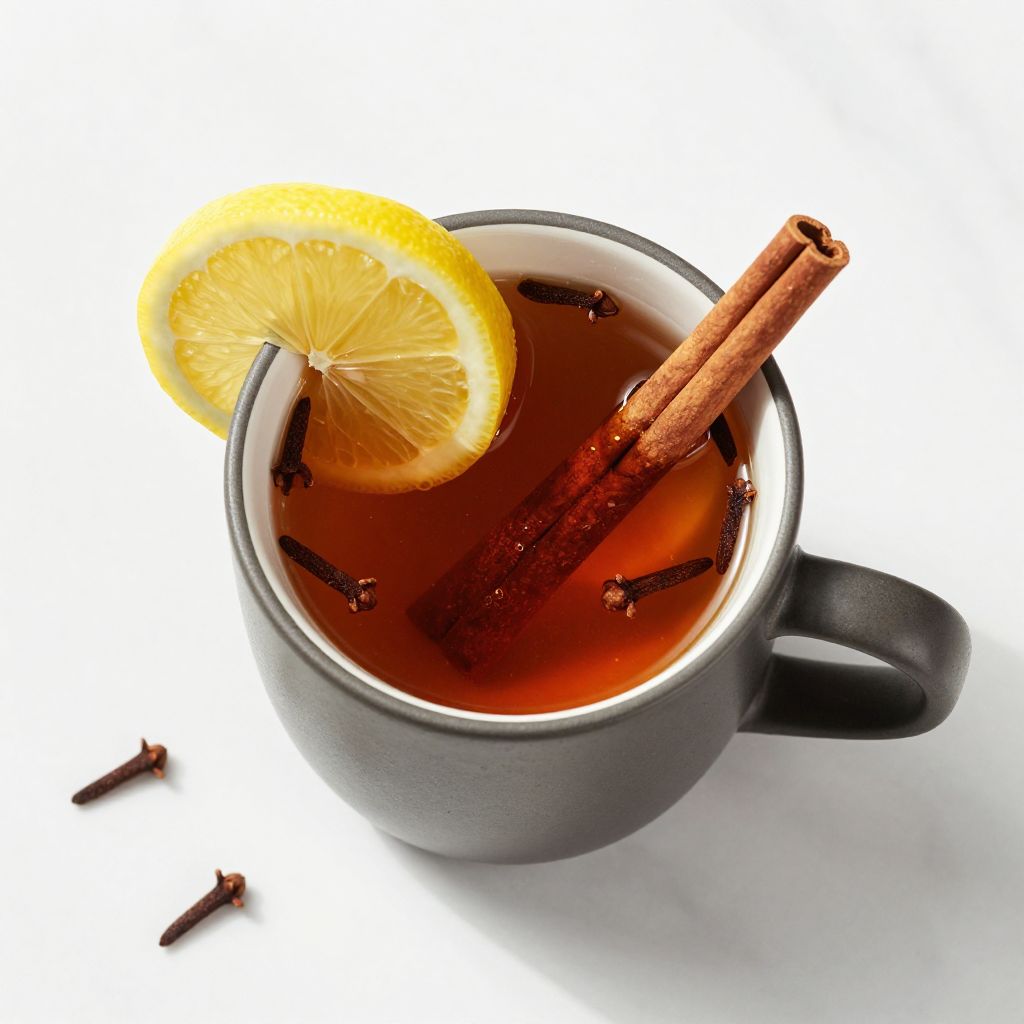
Clove Tea
Ingredients
Equipment
Method
- Pour 8 to 10 ounces of fresh water into your kettle.
- Turn the heat to high and bring the water to a rolling boil (about 212 degrees Fahrenheit).
- While the water heats, add 4 to 6 whole cloves directly into your mug.
- If using cinnamon stick or other optional ingredients, add them to the mug now alongside the cloves.
- Once the water reaches a rolling boil, carefully pour it over the cloves in your mug until nearly full.
- Place a saucer or small plate over the mug to trap the steam and heat. Steep for 5 to 8 minutes (5 minutes for lighter tea, 8 minutes for more robust flavor).
- Use a fine-mesh strainer or small sieve to remove the whole cloves and any sediment from your tea.
- Stir in honey and a squeeze of fresh lemon juice if desired, tasting as you go to find your perfect balance.