
Food poisoning can be an uncomfortable and distressing experience, leading to symptoms such as nausea, vomiting, diarrhea, and abdominal cramps. During this time, it is essential to support your recovery through proper dietary choices. Knowing what to eat can help soothe symptoms, replenish nutrients, and restore balance to your body.
This article will explore what foods are best to consume when dealing with food poisoning, provide meal ideas, and suggest side dishes that can aid in your recovery while being easy on your digestive system.
What to Eat for Food Poisoning?
When recovering from food poisoning, consume bland, easy-to-digest foods to help settle your stomach. Foods like rice, bananas, applesauce, toast, and boiled potatoes are generally safe options. These foods help reduce gastrointestinal distress and provide necessary nutrients.
Understanding Food Poisoning
Food poisoning occurs when contaminated food or beverages are ingested, leading to bacterial or viral infections. Key symptoms include gastrointestinal upset, which may vary in severity and duration depending on the specific pathogen involved. Providing your body with the right nutrients during recovery is crucial.
Foods to Include
When recovering from food poisoning, focus on bland, non-fatty foods that are easy to digest. Below are some recommended foods to include in your diet:
- Bananas: High in potassium, which may help replenish lost electrolytes.
- Applesauce: Gentle on the stomach and provides some natural sugars.
- Toast: A simple carbohydrate that is easy to digest.
- Rice: Similar to toast, it’s easy to digest and can help firm up stool.
- Boiled potatoes: Provide potassium and are gentle on the stomach.
- Clear broths: Help keep hydration levels up and provide some nutrients.
- Oatmeal: Soothing and easy to digest, oatmeal can be a good breakfast option.
- Plain chicken or turkey: Lean proteins can provide nutrients without being heavy.
Meal Ideas for Recovery
Creating meals that are both easy on the stomach and nutritious can help support your recovery from food poisoning. Below are some meal ideas that incorporate safe foods.
Breakfast Options
- Simple Oatmeal: Cook rolled oats with water or a small amount of milk. Avoid adding sugars or heavy toppings.
- Banana Toast: Top a slice of plain toast with mashed banana for a gentle start to the day.
- Applesauce and Cottage Cheese: A soft, protein-rich option that pairs well with naturally sweet applesauce.
Lunch Ideas
- Rice Soup: Prepare a broth-based soup with boiled rice and some shredded chicken. Avoid spices and heavy sauces.
- Plain Chicken Salad: Use shredded boiled chicken with a small amount of plain yogurt instead of mayonnaise, accompanied by steamed carrots.
- Potato Soup: Boil potatoes, mash them and mix with plain broth. Avoid cream for a lighter option.
Dinner Suggestions
- Baked Chicken with Rice: Bake a skinless chicken breast and serve it with plain white rice.
- Steamed Vegetables: Lightly steam vegetables such as zucchini or carrots and pair them with boiled potatoes.
- Broth-Based Vegetable Soup: Create a base with clear broth and add vegetables like carrots and potatoes. Keep it simple and light.
Hydration is Key
Staying hydrated is vital when dealing with food poisoning. Dehydration can worsen symptoms and slow recovery. Here are some hydration tips:
- Clear Broths: Warm chicken or vegetable broth can help hydrate and provide some necessary nutrients.
- Electrolyte Drinks: Consider oral rehydration solutions or electrolyte drinks that are low in sugar.
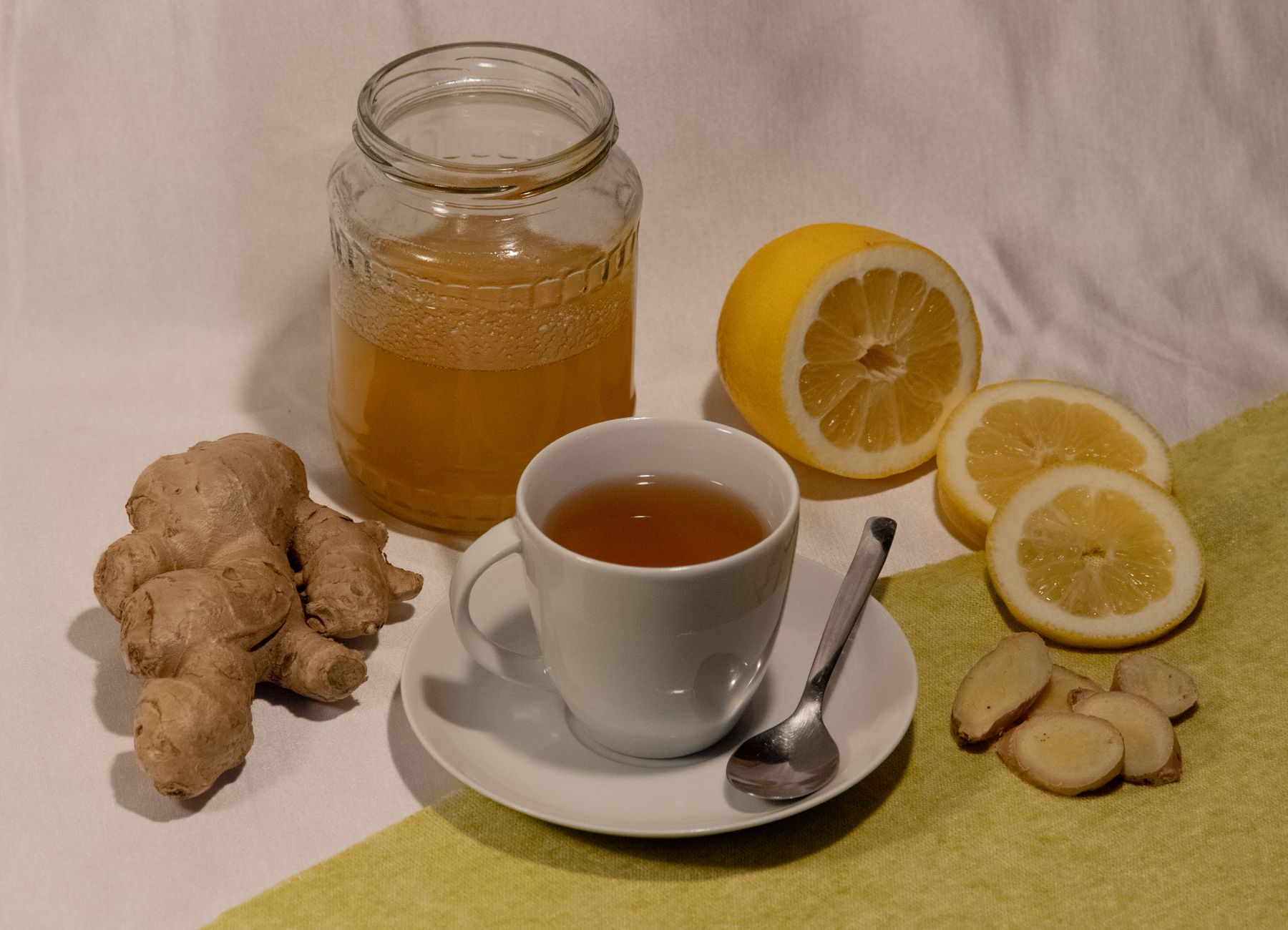
- Herbal Teas: Ginger or peppermint tea can soothe the stomach and provide comfort, but avoid heavily caffeinated or sugary options.
Foods to Avoid
While it is essential to consume gentle, soothing foods, there are several items you should avoid to aid your recovery:
- Fatty or Fried Foods: These can worsen symptoms by putting additional strain on the digestive system.
- Spicy Foods: Spices can irritate the stomach lining and cause distress.
- Dairy Products: Avoid heavy dairy, including milk and ice cream, as it may be hard to digest during recovery.
- Raw Fruits and Vegetables: Stick to cooked options, as raw produce may be harder to digest.
- Alcohol and Caffeine: These can dehydrate the body and exacerbate symptoms.
Common Mistakes to Avoid During Recovery
Avoiding common pitfalls is crucial for a smoother recovery. Here are some common mistakes to be aware of:
- Rushing to Eat: It’s important to reintroduce food slowly—don’t rush back into a normal diet.
- Ignoring Hydration: Many forget to maintain proper hydration, which is vital for recovery.
- Overeating: Small, frequent meals are better than trying to consume larger portions too soon.
- Neglecting Rest: Allow your body to recover and avoid strenuous activities that can prolong symptoms.
When to Seek Medical Attention
Generally, food poisoning resolves within a few days. However, it’s essential to seek medical help if you experience:
- Severe dehydration signs, such as dizziness and dark urine.
- Persistent vomiting or diarrhea lasting more than 48 hours.
- High fever (above 101.5°F or 38.6°C).
- Bloody stools.
- Signs of potential complications, such as severe abdominal pain.
Make-Ahead Tips for Easy Recovery
Preparing meals ahead of time can ease the burden when you are unwell. Consider batch-cooking gentle foods that can be stored and reheated.
- Cooked Rice: Easily made in batches and can be frozen for quick meals.
- Soups: Make a large quantity of broth-based soup, portion it, and freeze for easy access.
- Boiled Potatoes: Cook up some potatoes and store them in the fridge. They can be used in various easy-to-digest meals.
Recipes for Recovery
Here are some simple recipes that provide comfort and recovery during food poisoning:
Simple Chicken Broth
- Ingredients:
- 1 whole chicken or 2-3 pounds of chicken parts
- Water (enough to cover the chicken)
- 2 carrots, chopped
- 1 onion, quartered
- 2 celery stalks, chopped
- Salt to taste
- In a large pot, place the chicken in cold water and bring to a boil.
- Skim off any foam that rises to the surface.
- Add carrots, onion, celery, and salt.
- Reduce heat to low, cover, and simmer for 1.5 to 2 hours.
- Remove chicken, and strain the broth. Discard solids. Serve warm.
Easy Apple Banana Mash
- Ingredients:
- 1 ripe banana
- 1/2 cup unsweetened applesauce
- In a bowl, mash the banana with a fork until smooth.
- Stir in the applesauce until well combined.
- Serve immediately or refrigerate for later use.
Final Thoughts
In conclusion, managing your diet while recovering from food poisoning is essential for regaining your strength. Focus on bland, easy-to-digest foods and stay hydrated to support your recovery. Carefully consider what you consume and how you can prepare meals that are gentle on your stomach and provide nourishment.
For additional guidance, check out our articles on what to eat after vomiting or explore foods that contain probiotics to aid gut health during recovery.
Explore more related recipes and tips for meal planning and preparation in our what to eat after vomiting and what foods have probiotics sections.