
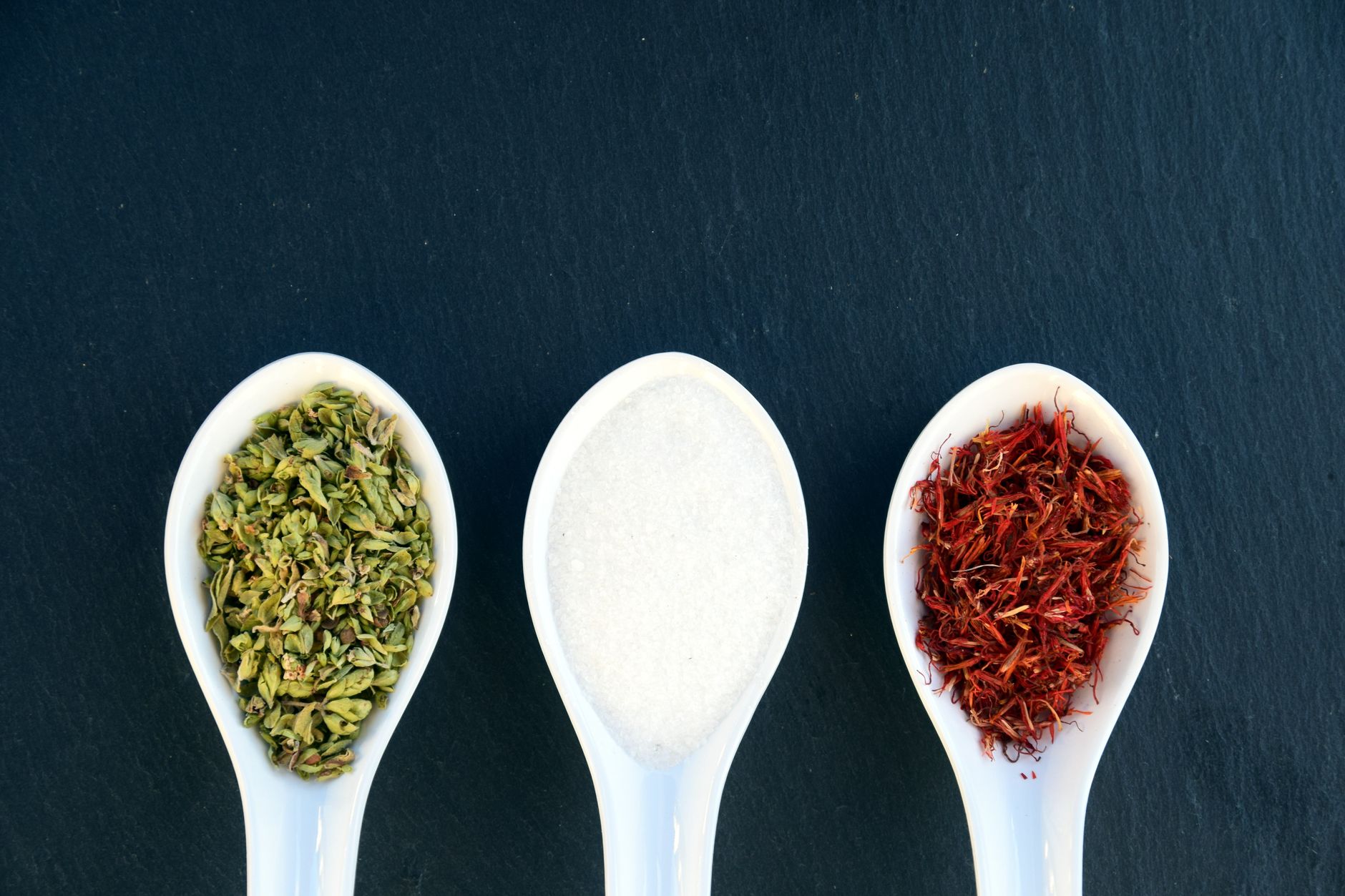
Black salt, also known as kala namak, is a unique ingredient cherished for its distinctive flavor and culinary versatility. Used widely in South Asian cuisines, it’s more than just a seasoning; its mineral-rich properties and smoky taste make it a favorite in various dishes. This article explores the various uses of black salt, along with recipe ideas and practical serving tips.
From enhancing flavors in traditional dishes to providing a punch in modern recipes, black salt is an exciting ingredient to experiment with. Let’s dive into what black salt is used for, how to incorporate it into your cooking, and its unique characteristics.
What Is Black Salt Used for?
Black salt is primarily used as a seasoning and flavor enhancer in various culinary applications. Its unique taste, which comes from the minerals and volcanic clay present, lends itself well to savory dishes, snacks, and even beverages. It can also serve as a finishing salt or a substitute for regular table salt in various recipes.
Unique Properties of Black Salt
Black salt has a distinctive flavor profile, characterized by a slightly tangy and smoky taste. Its color can vary from brown to black, sometimes with pinkish hues depending on the exact variety and mineral content. Here are some key properties:
- Savory Flavor: Black salt imparts a rich umami taste that can elevate many dishes.
- Mineral Content: It contains essential minerals like potassium, iron, and magnesium, contributing to its unique taste and health claims.
- Low Sodium Levels: In comparison to table salt, black salt has lower sodium content, making it a potentially healthier option when used in moderation.
How to Use Black Salt in Cooking
Incorporating black salt into your cooking is easy and can add a new depth of flavor to your dishes. Here are some common applications:
1. Seasoning for Vegetables and Legumes
Black salt can enhance the flavors of steamed or roasted vegetables and legumes. Its smoky notes complement earthy ingredients like lentils, chickpeas, and beans.
2. Addition to Chaat and Street Foods
In Indian cuisine, black salt is a vital ingredient in chaat, a savory street food dish. It adds a unique flavor profile that brings out the other ingredients, making it a must-have in any chaat recipe.
3. Flavoring Soups and Broths
Add black salt to soups and broths for a more robust flavor. It’s especially great in vegetable soups or lentil broths, as it enhances the overall taste without overpowering the dish.
4. Spicing Up Snacks
Sprinkling black salt on popcorn, fries, or roasted nuts can elevate your snacking experience. Its savory and slightly tangy taste adds a delightful kick to these snacks.
5. Innovative Beverage Ingredient
Black salt is often used in beverages like buttermilk or lemonade, providing a unique twist. Mix it into drinks for a refreshing touch that’s popular in many cultures.
6. As a Finishing Salt
Using black salt as a finishing touch on dishes like grilled meats or curries adds a burst of flavor right before serving. Its distinct taste stands out, making for a deliciously balanced dish.
Recipe Ideas Using Black Salt
Now that you know how to use black salt, let’s explore some simple recipes that highlight its unique flavor.
Black Salt Chickpea Salad
This refreshing chickpea salad is quick to prepare and bursting with flavor.
- Yield: 4 servings
- Preparation Time: 10 minutes
- Cooking Time: 0 minutes (no cooking required)
- Total Time: 10 minutes
Ingredients
- 1 can (15 oz) chickpeas, drained and rinsed
- 1 cup chopped cucumber
- 1 cup diced tomatoes
- 1/4 cup finely chopped red onion
- 2 tablespoons olive oil
- 1 tablespoon lemon juice
- 1 teaspoon black salt
- Fresh parsley or cilantro for garnish
Method
- In a large mixing bowl, combine the chickpeas, cucumber, tomatoes, and red onion.
- Drizzle with olive oil and lemon juice, then sprinkle with black salt.
- Toss everything gently to combine.
- Garnish with fresh parsley or cilantro before serving.
This salad is a nutritious option for lunch or a light dinner, offering a delightful mix of textures and flavors.
Spicy Black Salt Roasted Potatoes
These roasted potatoes make a perfect side dish, packed with flavor and crunch.
- Yield: 4 servings
- Preparation Time: 10 minutes
- Cooking Time: 25 minutes
- Total Time: 35 minutes
Ingredients
- 1.5 pounds baby potatoes, halved
- 3 tablespoons olive oil
- 2 teaspoons black salt
- 1 teaspoon paprika
- 1/2 teaspoon black pepper
- 1 tablespoon chopped fresh rosemary (optional)
Method
- Preheat the oven to 425°F (220°C).
- In a large bowl, toss the halved potatoes with olive oil, black salt, paprika, and black pepper until evenly coated.
- Spread the potatoes in a single layer on a baking sheet.
- Roast in the preheated oven for 25 minutes or until golden brown and crispy, turning halfway.
- If using rosemary, sprinkle it on top in the last 5 minutes of cooking.
These potatoes are delicious served alongside grilled meats or as part of a vegetarian spread.
Practical Substitutions for Black Salt
If you find yourself without black salt, there are several alternatives you can consider. Keep in mind that while substitutions can mimic some aspects of black salt’s flavor, they may not fully replicate its unique properties:
- Himalayan Pink Salt: With a mild, slightly sweet flavor, it can serve as a good alternative, though it lacks the same smoky undertones.
- Regular Sea Salt: Common sea salt can replace black salt in a pinch, but it won’t provide the same flavor complexity.
- Smoked Salt: For a closer approximation to the smoky flavor of black salt, smoked salt can be an excellent substitute.
Common Mistakes When Using Black Salt
Using black salt for the first time can lead to a few common mistakes. Here’s how to avoid them:
- Overusing Black Salt: Due to its strong flavor, it’s easy to over-season. Start with small amounts and adjust to taste.
- Assuming It’s Just Like Regular Salt: Its unique flavor doesn’t make it a one-to-one substitute for table salt in recipes, especially in baking.
- Not Storing Properly: Keep black salt in an airtight container to preserve its flavor. It can absorb moisture and odors.
Storage and Shelf Life
When stored properly, black salt has a long shelf life. Here are some important storage tips:
- Store black salt in a cool, dry place, away from direct sunlight.
- Use an airtight container to prevent moisture absorption.
- If kept dry, it can last for years without losing its flavor.
Conclusion
Black salt is a versatile ingredient that opens up new avenues in cooking, providing depth and richness to a variety of dishes. Its unique flavor makes it a valuable addition to your pantry, whether you’re preparing traditional dishes or exploring modern cuisine.
To make the most of black salt, remember to start with small amounts, experiment with its various uses in seasoning and recipes, and consider its unique properties. Try incorporating black salt into everyday meals, snacks, and even beverages to enjoy its complex flavor.
If you’re looking for more cooking inspiration, be sure to check out our other articles on ingredient tips, meal planning, and cooking techniques to enhance your culinary skills.