
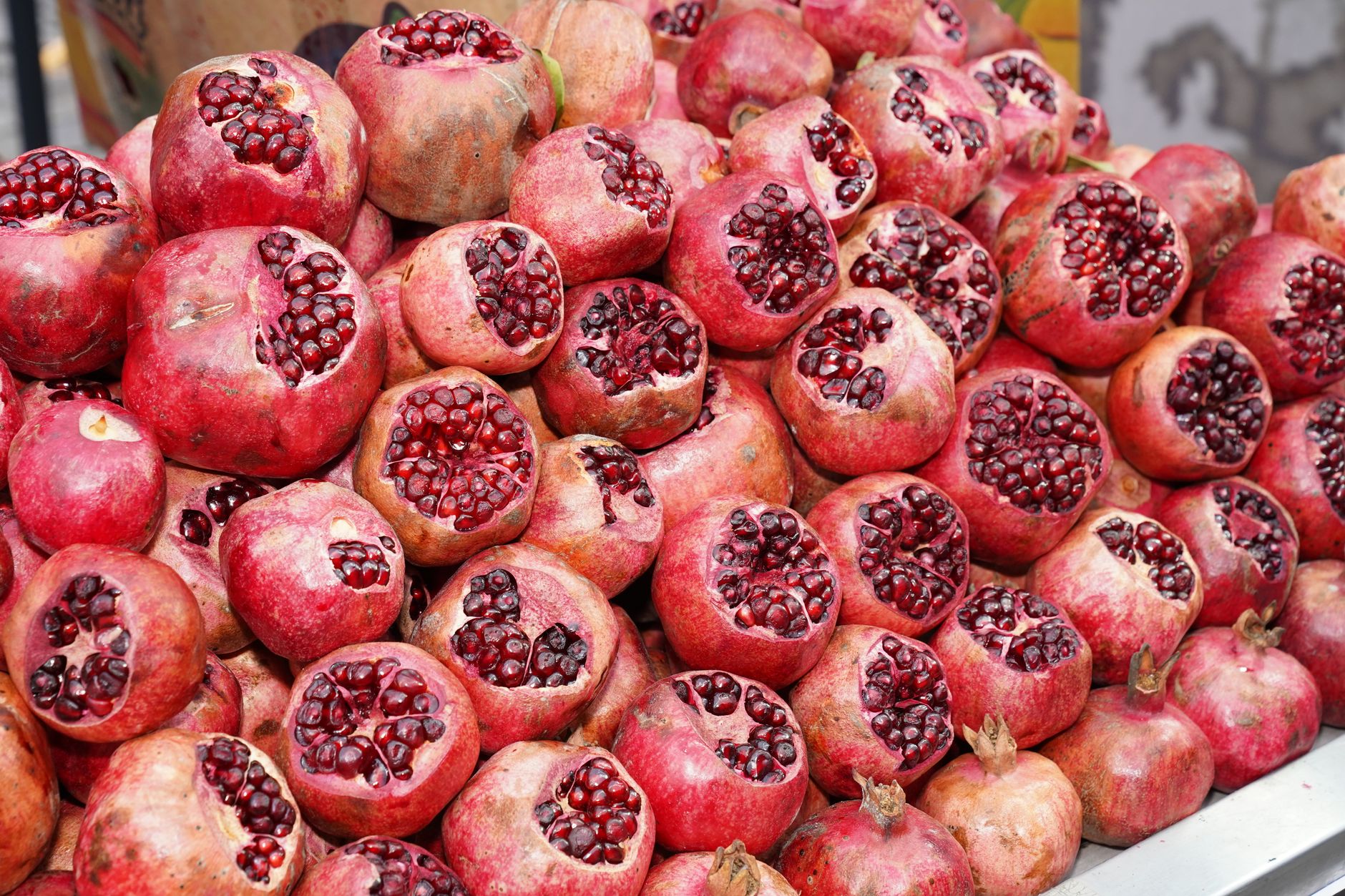
Pomegranates are a nutrient-packed fruit celebrated for their vibrant color and juicy seeds. As a seasonal fruit, knowing when to buy pomegranates ensures you enjoy them at their peak flavor and sweetness. This guide will explore when pomegranates are in season, how to choose the best ones, and tips for integrating this delightful fruit into your meals.
Pomegranates typically have a prime season that varies slightly by region. Understanding the growing cycles helps buyers know when to find the best pomegranates available in the market. Let’s delve into the specific details of pomegranate seasonality and some related tips.
When Is Pomegranate in Season?
Pomegranates are usually in season from late September to early January in the Northern Hemisphere. The peak availability is generally from October through November, which is when you will find the freshest and most flavorful fruits. The season may vary slightly based on regional climate and growing conditions.
Regions & Their Harvest Seasons
Pomegranates thrive in warm climates, particularly in regions such as California, the Mediterranean, and parts of the Middle East. Here’s a breakdown of the primary growing regions:
- California: The premier pomegranate-producing state in the U.S., with a harvest from September to November.
- Spain: Known for its various flavorful cultivars, pomegranates are harvested in late summer to early fall.
- Iran: This country has a long-standing history of pomegranate cultivation, typically harvesting from September to November.
- India: Major production occurs from August to November, particularly in Maharashtra.
Different cultivars may also have slight variances in their harvest times. Always check local sources for the exact timing based on your specific location.
Choosing the Best Pomegranates
When pomegranates are in season, you want to choose the best fruit. Here are some tips to help you select ripe pomegranates:
- Color: Look for a deep, rich color. The skin can range from bright red to dark purple, depending on the variety.
- Weight: A good pomegranate will feel heavy for its size, indicating that it is full of juice.
- Skin Quality: Inspect for a taut skin that is free from blemishes or cracks. Wrinkled skin may indicate that the pomegranate is overripe.
- Shape: Choose pomegranates that are more rounded than flat, as this suggests that they are filled with juicy arils.
Storing Pomegranates
To enjoy pomegranates at their best, proper storage is crucial. Here are key storage tips for your pomegranates:
- Room Temperature: If you plan to eat them within a week, you can store pomegranates at room temperature.
- Refrigeration: For longer storage, keep them in the refrigerator, where they can last up to two months. Placing them in a plastic bag can help retain moisture.
How to Use Pomegranates in Your Cooking
Pomegranates are versatile and can enhance both sweet and savory dishes. From salads to desserts, the vibrant seeds add a burst of flavor. Here are various ways to incorporate them into your meals:
1. Pomegranate Salads
Add pomegranate seeds to salads for a refreshing crunch and burst of flavor. This fruit pairs excellently with greens, nuts, and cheese. For example, a spinach salad featuring goat cheese, walnuts, and pomegranate seeds is both delicious and visually appealing.
2. Pomegranate Sauces and Glazes
Create a pomegranate reduction sauce for meats like chicken, lamb, or pork. Simmer pomegranate juice with honey and vinegar to create a luscious glaze.
3. Pomegranate Juices and Smoothies
Freshly squeezed pomegranate juice can be a wonderful addition to smoothies or cocktails. Blend pomegranate seeds with yogurt and bananas for a nutrient-packed breakfast option.
4. Desserts
Pomegranate arils add a beautiful touch to desserts. Scatter them over cakes, tarts, or yogurt for an added sweetness and stunning presentation.
Pomegranate Recipes to Try
If you enjoy experimenting with new ingredients, here are a couple of recipes featuring pomegranates:
Pomegranate and Citrus Salad
This colorful salad combines the refreshing taste of citrus with the sweet and tart flavor of pomegranate. It’s a perfect side dish for holiday festivities.
Ingredients:
- 2 cups mixed greens (arugula, spinach, etc.)
- 1 grapefruit, segmented
- 1 orange, segmented
- 1 cup pomegranate arils
- ¼ cup feta cheese, crumbled
- 2 tablespoons olive oil
- 1 tablespoon balsamic vinegar
- Salt and pepper to taste
Instructions:
- In a large bowl, combine mixed greens, grapefruit, orange, and pomegranate arils.
- In a small bowl, whisk together olive oil, balsamic vinegar, salt, and pepper.
- Drizzle the dressing over the salad and toss gently to combine.
- Sprinkle feta cheese on top and serve immediately.
Pomegranate Molasses Glazed Chicken
This dish features the rich flavor of pomegranate molasses, which is easy to make by reducing pomegranate juice. It provides sweetness and acidity to balance savory chicken.
Ingredients:
- 4 chicken thighs, skin-on
- ½ cup pomegranate juice
- 2 tablespoons pomegranate molasses
- 1 tablespoon olive oil
- 2 garlic cloves, minced
- Salt and pepper to taste
- Pomegranate seeds for garnish
Instructions:
- In a small saucepan, combine pomegranate juice and molasses; bring to a simmer and reduce until thickened. Mix in garlic, salt, and pepper.
- Preheat the oven to 400°F (200°C).
- In an ovenproof skillet, heat olive oil over medium heat. Season chicken thighs with salt and pepper.
- Brown chicken, skin-side down, for 5-7 minutes. Flip and coat with the pomegranate glaze.
- Transfer the skillet to the oven and bake for 25-30 minutes until cooked through.
- Garnish with pomegranate seeds before serving.
Common Mistakes When Working with Pomegranates
While pomegranates are relatively easy to handle, a few common mistakes can arise:
- Not Removing Seeds Properly: When cutting open pomegranates, choose the correct technique to avoid losing seeds or making a mess. Cut the fruit in half along its equator, and then gently tap the back with a wooden spoon to dislodge the arils into a bowl.
- Using Overripe Fruits: Be mindful of firmness. Overripe pomegranates will have dry seed clusters, leading to a less enjoyable experience.
- Ignoring Refrigeration Needs: Leaving pomegranates on the counter for too long can lead to spoilage. Always store them properly.
Health Benefits of Pomegranates
Pomegranates are rich in antioxidants, particularly punicalagins, which are linked to various health benefits. The seeds provide fiber and essential vitamins, including vitamin C and K. Their consumption has been associated with anti-inflammatory effects and potential heart health benefits. Interested readers can explore more about pomegranate juice and its health effects here.
Conclusion
Pomegranates are not only delicious but also provide numerous culinary opportunities and health benefits. By knowing when they are in season, how to choose and store them, and exploring creative recipes, you can enjoy this outstanding fruit to its fullest. Next time you are out grocery shopping, look for those sumptuous red gems in the produce section!
For further culinary inspiration, explore related topics like cooking with pomegranate juice and other intriguing recipes!