
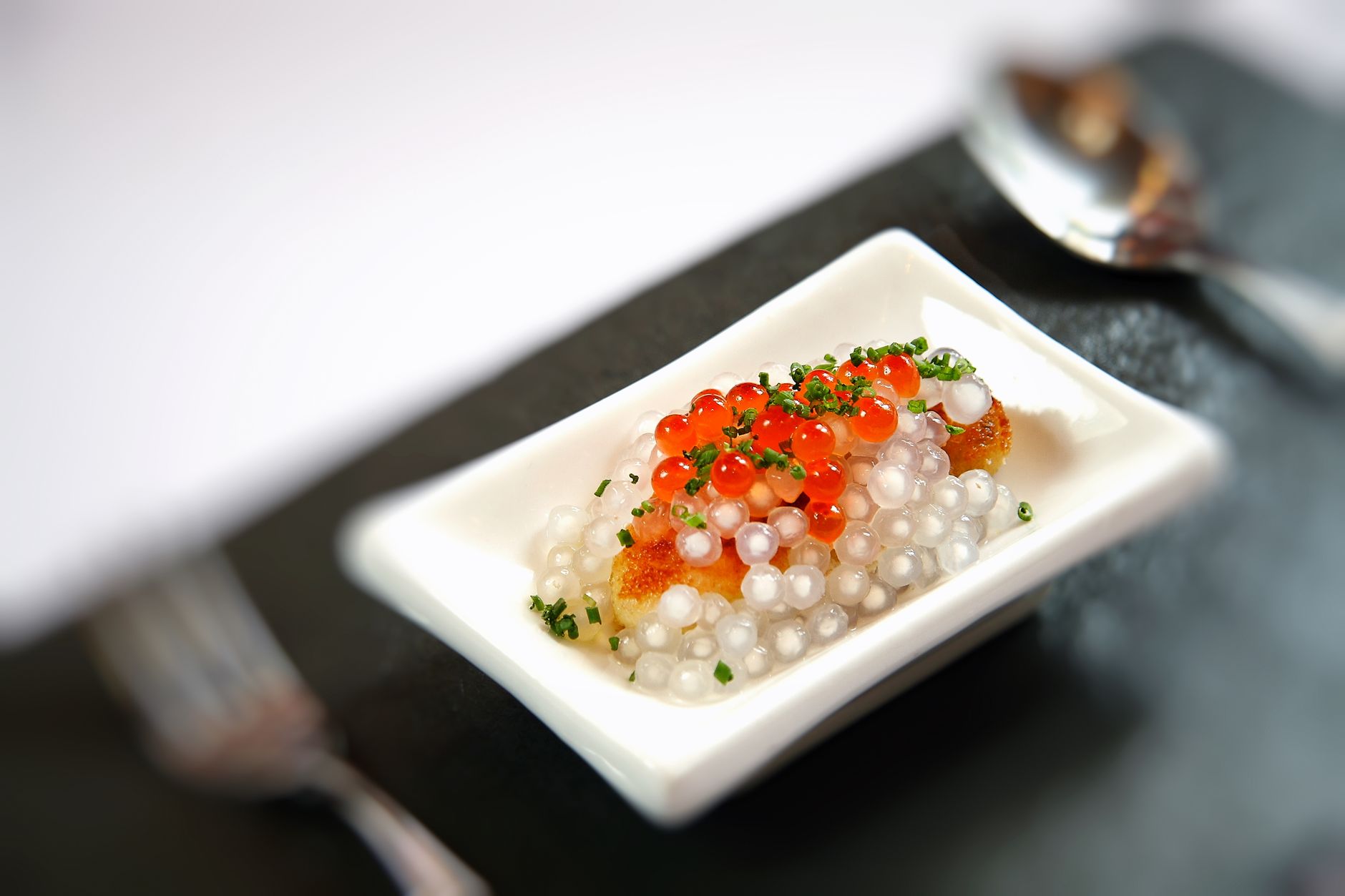
Caviar, often considered a delicacy, boasts a rich history and complex flavors that can elevate various dishes. However, many moms-to-be wonder about its safety during pregnancy. Understanding both the health benefits and potential risks associated with caviar can help make informed decisions about including this luxurious food in your diet.
In this article, we will explore whether pregnant women can eat caviar, the types of caviar available, nutritional considerations, and tips for enjoying caviar safely during pregnancy. Let’s dive into the details to ensure a safe and delicious culinary experience.
Can You Eat Caviar Pregnant?
Yes, pregnant women can eat caviar, but there are important considerations to keep in mind. It is crucial to choose pasteurized caviar or ensure that any caviar consumed is from a safe source to reduce the risk of foodborne illnesses. Always consult with a healthcare provider regarding dietary choices during pregnancy.
Understanding Caviar: What It Is and How It’s Made
Caviar refers to the roe (eggs) from fish, traditionally sturgeon, that has been salted and processed. The texture is often described as delicate and slightly firm, while the flavor ranges from briny to nutty, depending on the type of fish from which the roe is sourced. It is typically enjoyed without any cooked preparation, often served on blinis, crackers, or as part of a gourmet spread.
Types of Caviar
Different types of caviar vary in taste, texture, and price. Some common varieties include:
- Beluga Caviar: The largest and rarest, known for its large eggs and buttery flavor.
- Osetra Caviar: Considered highly prized, it offers a range of nutty flavors with medium-sized eggs.
- Sevruga Caviar: Small eggs with a stronger flavor profile, often more affordable than Beluga or Osetra.
- Salmon Caviar: Bright orange eggs, offering a milder, sweeter taste, and more affordable than sturgeon caviar.
Nutritional Considerations of Caviar
Caviar is known for its high nutritional value, making it an appealing option during pregnancy when nutritional needs are higher. Some key nutritional benefits of caviar include:
- High in Omega-3 Fatty Acids: Essential for fetal brain development and reducing inflammation.
- Rich Source of Protein: Supports overall health and helps in building tissues.
- Vitamins and Minerals: Contains vitamins A, D, and B12, as well as essential minerals like iron and zinc.
Safety Concerns: Is Caviar Safe During Pregnancy?
While caviar can be nutritious, pregnant women must be cautious due to potential risks such as:
- Foodborne Illness: Raw seafood and inadequately handled products can contain harmful bacteria or parasites.
- Sodium Content: Caviar is typically high in salt, which may not be ideal for women with high blood pressure or those advised to reduce sodium intake.
- Mercury Levels: Certain fish species can contain high levels of mercury, which can affect fetal development.
Choosing Safe Caviar During Pregnancy
When selecting caviar during pregnancy, follow these guidelines to minimize risks:
- Choose Pasteurized Products: Pasteurized caviar undergoes heat treatment that kills harmful bacteria.
- Source from Reputable Suppliers: Purchase from trusted brand names or local seafood markets to ensure quality.
- Avoiding Certain Types: Limit or avoid caviar from species known for high mercury levels, such as certain sturgeons.
How to Enjoy Caviar Safely During Pregnancy
If you decide to indulge in caviar while pregnant, consider these tips for a safe and enjoyable experience:
- Moderation is Key: Limit portion size to avoid high sodium intake and control mercury exposure.
- Complement with Other Foods: Serve caviar with crackers, blinis, or cream cheese to create a balanced dish.
- Avoiding Excessive Raw Foods: Pair with cooked items to reduce food safety concerns.
Potential Benefits of Caviar for Pregnant Women
Incorporating caviar into a balanced diet may offer some advantages for pregnant women:
- Enhanced Brain Development: Omega-3 fatty acids found in caviar can support fetal neurological growth.
- Boost Energy Levels: The protein and iron in caviar help combat fatigue often experienced during pregnancy.
- Support Immune Function: Vitamins A and D found in caviar can contribute to immune health for both mother and baby.
Common Questions About Eating Caviar During Pregnancy
What is the recommended serving size for caviar during pregnancy?
Although there are no specific recommendations, keeping the serving size to about one ounce (28 grams) can help manage sodium intake and minimize potential mercury exposure while still allowing you to enjoy the flavors.
Can I use caviar as a substitute for other proteins?
While caviar is nutritious, it should not completely replace other protein sources, especially during pregnancy. Incorporate it as a complementary food to achieve a well-rounded diet with other proteins, such as lean meats, legumes, or dairy products.
Are there any specific types of caviar I should avoid?
Avoid caviar from fish species known for high mercury content, such as large predatory fish. Always choose pasteurized options to minimize foodborne illness risks.
How to Integrate Caviar into Your Diet
Here are some practical ideas for incorporating caviar into your pregnancy diet:
- Caviar Toast: Spread cream cheese or avocado on toasted baguette slices and top with caviar.
- Salads: Add caviar to salads for a burst of flavor and texture.
- Pasta Dishes: Mix lightly cooked pasta with caviar and a touch of olive oil and lemon juice.
- Egg Dishes: Top scrambled eggs or omelets with caviar for a luxurious twist.
Conclusion
While caviar can add a sophisticated touch to meals during pregnancy, it’s essential to choose wisely and enjoy in moderation. By opting for pasteurized varieties and balancing your intake with other foods, you can safely indulge in this delicacy while reaping its potential health benefits. Always consult your healthcare provider with questions or concerns regarding your diet during pregnancy.
Explore related recipes, cooking tips, or food guides to enhance your culinary skills and find new ways to enjoy your meals during pregnancy.