
Picture this: a sprinkle of bright, tangy flavor that dances on your palate, instantly elevating your dishes. That’s the magic of a Sumac Recipe, a Middle Eastern gem that adds a vibrant twist to everything from salads to grilled meats. It’s not just about flavor; sumac brings a unique tartness that is both refreshing and addictive. Plus, it’s incredibly versatile, making it the perfect ingredient to experiment with in your kitchen. Let’s dive into the delicious details of this recipe!
Why You’ll Love This Recipe
This recipe is a delightful way to incorporate sumac into your cooking and will leave your taste buds buzzing.
- Bright, tangy flavor enhances any dish.
- Simple and quick to prepare.
- Versatile ingredient for various cuisines.
- Healthy addition packed with antioxidants.
- Perfect for impressing guests at dinner parties.
My Experience Making This Recipe
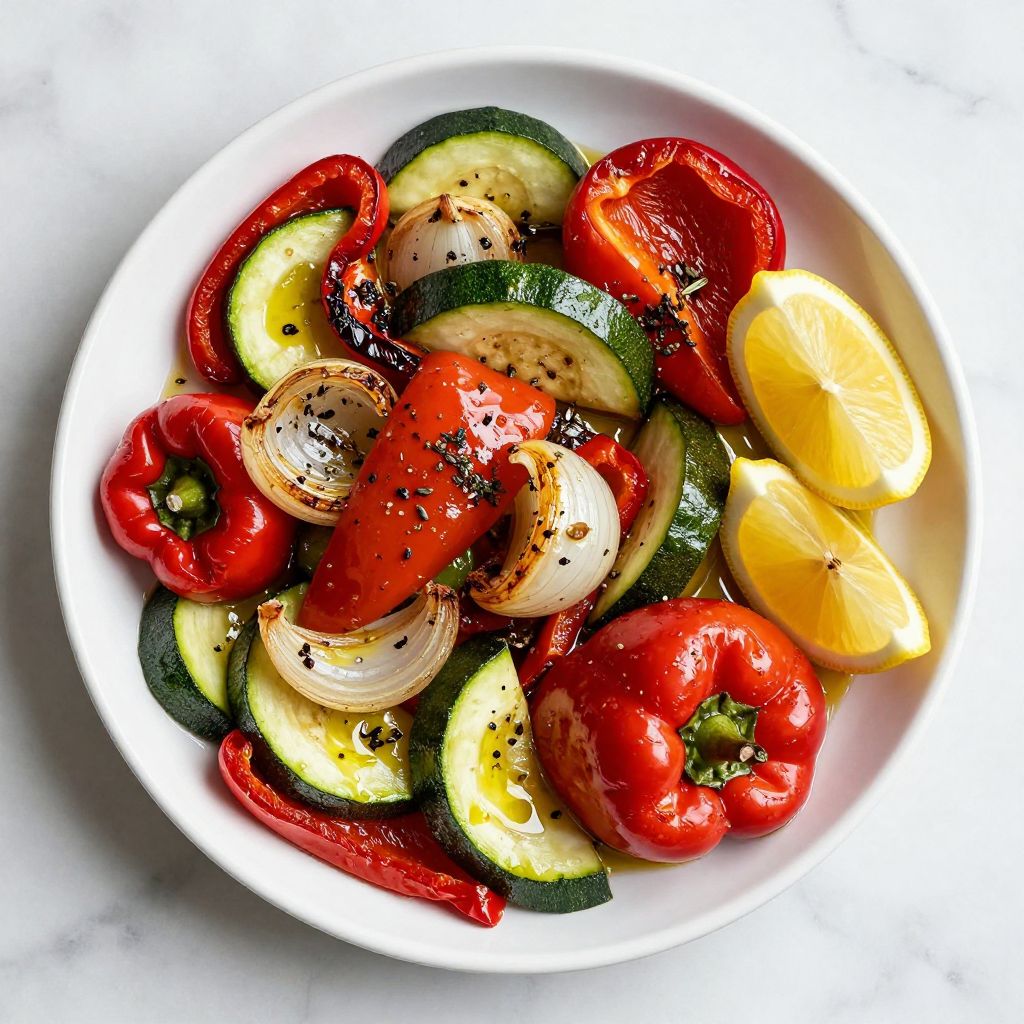
The first time I used sumac, I was amazed at the explosion of flavor it brought to my roasted vegetables. My family couldn’t stop raving about the unique tang it added, and I knew I had stumbled upon something special.
Every time I make this recipe, I find new ways to use it, whether in a marinade or sprinkled on a fresh salad. It has become a staple in my kitchen, and I believe it will be in yours too!
Recipe Overview
- Recipe Name: Sumac Recipe
- Servings: 4
- Prep Time: 10 minutes
- Cook Time: 20 minutes
- Total Time: 30 minutes
- Course: Side Dish
- Cuisine: Middle Eastern
- Calories per Serving: 150
Equipment You Will Need
- Mixing bowl
- Whisk or fork
- Measuring spoons
- Oven-safe dish
- Cutting board
- Knife
Ingredients for Sumac Recipe
- 2 tablespoons sumac
- 1 teaspoon salt
- 1 teaspoon black pepper
- 3 tablespoons olive oil
- 4 cups mixed vegetables (bell peppers, zucchini, onion)
- 1 tablespoon lemon juice
Ingredient Notes and Substitutions
- Sumac: Adds a tangy flavor; you can use lemon zest as a substitute for a similar citrus note.
- Salt: Enhances flavor; consider using sea salt for a more nuanced taste.
- Black pepper: Adds warmth; white pepper can be used for a milder flavor.
- Olive oil: Provides richness; avocado oil is a great alternative for a different flavor.
- Mixed vegetables: Offers variety; feel free to use any seasonal vegetables you prefer.
How to Make Sumac Recipe
Step 1: Preheat the Oven
Start by preheating your oven to 400°F (200°C). This ensures even cooking and helps to achieve that lovely roasted flavor.
Step 2: Prepare the Vegetables
Wash and chop your mixed vegetables into bite-sized pieces. Uniform sizes promote even roasting, so keep them consistent.
Step 3: Mix the Seasoning
In a mixing bowl, combine the sumac, salt, black pepper, and olive oil. This blend will coat the vegetables beautifully and infuse them with flavor.
Step 4: Coat the Vegetables
Add the chopped vegetables to the bowl and toss them in the sumac mixture until they are well coated. This step ensures every bite is packed with deliciousness.
Step 5: Arrange in Baking Dish
Transfer the seasoned vegetables into an oven-safe dish, spreading them out in a single layer. Crowding the pan can lead to steaming instead of roasting, so give them space.
Step 6: Roast the Vegetables
Place the dish in the preheated oven and roast for about 20 minutes, or until the vegetables are tender and slightly caramelized. This process brings out their natural sweetness.
Step 7: Drizzle with Lemon Juice
Once roasted, remove the dish from the oven and drizzle with lemon juice. This brightens the dish and enhances the tangy flavor of the sumac.
Step 8: Serve and Enjoy!
Finally, serve the roasted vegetables warm as a side dish or a vibrant salad topping. Your taste buds will thank you!
Pro Tip: For an extra flavor kick, try adding garlic or fresh herbs to the vegetable mix before roasting!
Tips for the Best Sumac Recipe
- Use fresh sumac for a more vibrant flavor.
- Experiment with different vegetables for variety.
- Don’t skip the lemon juice; it really brightens the dish.
- Let the vegetables cool slightly before serving to enhance their texture.
- Consider adding nuts or seeds for added crunch and nutrition.
Common Mistakes to Avoid
- Crowding the pan: This leads to steaming instead of roasting, resulting in soggy vegetables.
- Skipping the seasoning: Under-seasoned vegetables can taste bland, so be generous with the sumac.
- Not preheating the oven: A cold oven can lead to uneven cooking.
- Overcooking: Keep an eye on the vegetables to prevent burning and maintain their texture.
Serving Suggestions
These roasted vegetables are versatile and can complement many main dishes beautifully.
- Serve alongside grilled chicken or fish.
- Pair with quinoa or couscous for a hearty meal.
- Top a fresh salad for a flavorful twist.
- Use as a filling for wraps or pita.
Variations to Try
- Add chickpeas for extra protein and fiber.
- Incorporate feta cheese for a creamy contrast.
- Mix in roasted nuts for added crunch.
- Use different spices like cumin or coriander for a unique flavor profile.
Dietary Adaptations
- Gluten-free: This recipe is inherently gluten-free.
- Dairy-free: Omit cheese or use a dairy-free alternative.
- Vegan: The recipe is already vegan-friendly, so enjoy!
- Low-carb/Keto: Use low-carb vegetables to fit the keto diet.
Storage and Reheating
Refrigerator
Store leftover roasted vegetables in an airtight container in the fridge.
- Keep for up to 3 days.
Freezer
For longer storage, freeze the vegetables in a single layer on a baking sheet.
- Once frozen, transfer to a freezer-safe bag, keeping for up to 3 months.
Reheating
Reheat in the oven or microwave until warmed through.
- Oven method is best for maintaining texture.
Nutrition Information
| Nutrient | Amount |
|---|---|
| Calories | 150 |
| Total Fat | 10g |
| Saturated Fat | 1.5g |
| Carbohydrates | 15g |
| Fiber | 4g |
| Sugar | 3g |
| Protein | 3g |
| Sodium | 300mg |
| Cholesterol | 0mg |
This nutritional information is approximate and may vary based on specific ingredients used.
Frequently Asked Questions
Can I substitute sumac with anything else?
You can use lemon zest or a combination of lemon juice and a bit of vinegar for a similar tangy flavor.
Can I make this recipe ahead of time?
Absolutely! You can roast the vegetables ahead and reheat them when ready to serve.
How should I store leftovers?
Store leftovers in an airtight container in the fridge for up to 3 days, or freeze for longer storage.
What if my vegetables become mushy?
This usually happens if they are overcrowded; ensure they have enough space to roast properly.
Can I use dried sumac instead of fresh?
Yes, dried sumac is perfect and commonly used. Just ensure it is fresh for the best flavor.
Final Thoughts
Making a Sumac Recipe is a fantastic way to explore new flavors and elevate your cooking. The bright, tangy essence of sumac will undoubtedly become a favorite in your kitchen.
Give this recipe a try and enjoy the burst of flavor it brings to your meals. For more tips on what to substitute for other ingredients, check out good substitutes for rosemary and substitutes for vanilla extract to keep your cooking exciting!
Sumac Recipe
Ingredients
Equipment
Method
- Preheat the oven to 400°F (200°C).
- Wash and chop the mixed vegetables into bite-sized pieces.
- In a mixing bowl, combine the sumac, salt, black pepper, and olive oil.
- Add the chopped vegetables to the bowl and toss them in the sumac mixture until well coated.
- Transfer the seasoned vegetables into an oven-safe dish, spreading them out in a single layer.
- Place the dish in the preheated oven and roast for about 20 minutes, or until the vegetables are tender and slightly caramelized.
- Remove the dish from the oven and drizzle with lemon juice.
- Serve the roasted vegetables warm as a side dish or salad topping.