
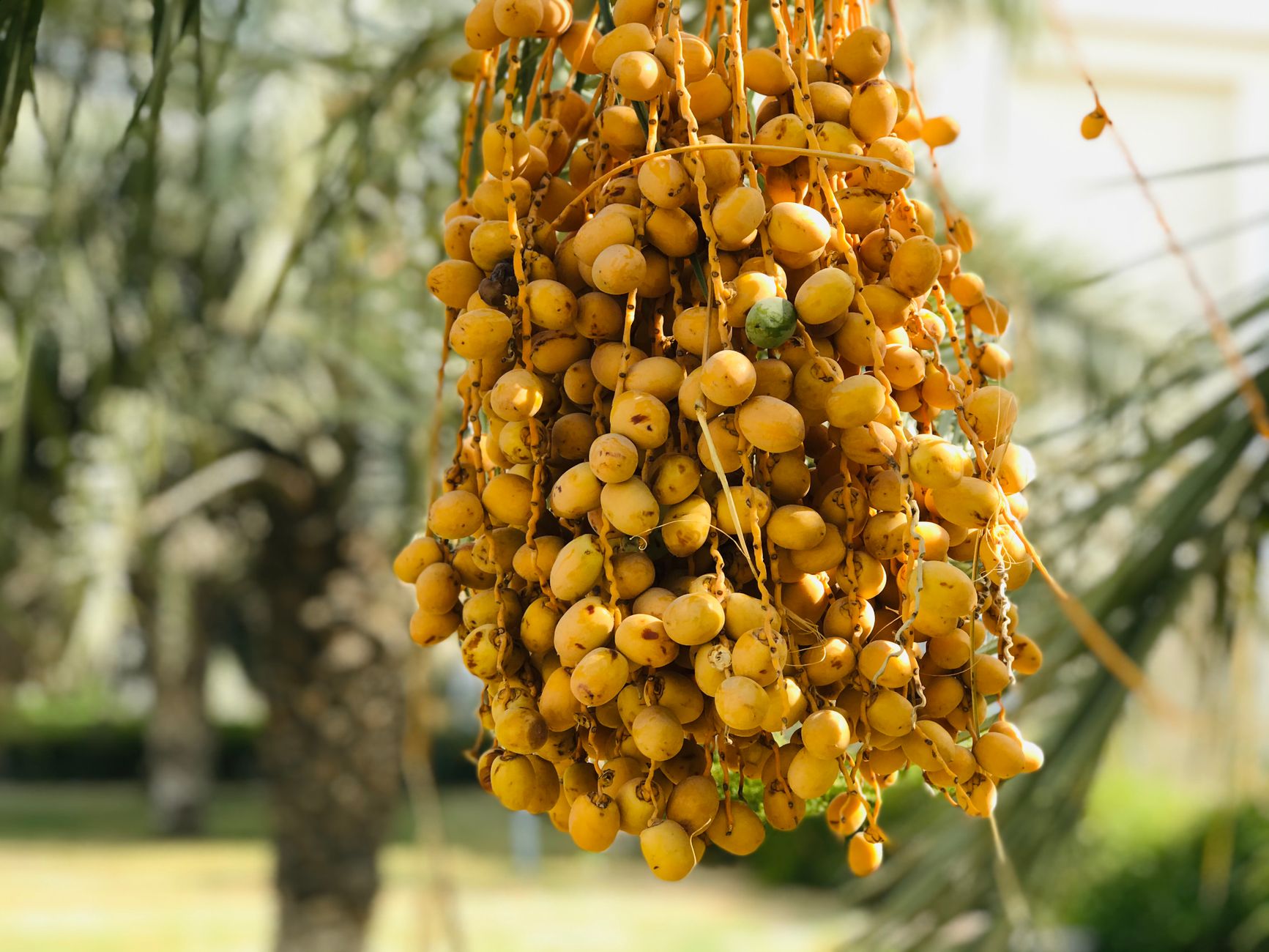
Dates are not just deliciously sweet fruits; they are also a staple in many cultures, often used in desserts, snacks, and various dishes. But where do they come from, and how are they produced? This article will delve into the origin of dates, specifically focusing on the fact that they indeed come from palm trees. Understanding more about this tropical fruit can enhance your culinary skills and encourage you to incorporate dates into your meals.
In addition to their unique flavor and texture, dates offer numerous health benefits and culinary uses, making them versatile additions to dishes or as stand-alone snacks. Let’s explore the fascinating world of dates and how you can use them in your kitchen.
Do Dates Come From Palm Trees?
Yes, dates come from palm trees, specifically the date palm, scientifically known as Phoenix dactylifera. This palm species is known for producing clusters of sweet, nutrient-rich fruits. Dating back thousands of years, date palms thrive in arid regions and are commonly cultivated in countries like Egypt, Iran, and Saudi Arabia.
The Date Palm Tree: A Closer Look
Date palms can grow up to 75 feet tall and are characterized by their long, feathery fronds. It takes about four to eight years for a date palm to produce fruit after planting. Once they begin to bear fruit, palm trees can remain productive for several decades with proper care, often yielding 100 to 200 pounds of dates per tree annually.
Cultivation and Harvesting
Growing date palms requires specific environmental conditions. These trees flourish in hot climates with plenty of sunlight and well-drained soil. Here are some key aspects of their cultivation:
- Soil: Sandy or loamy soil with good drainage is ideal for date palms.
- Watering: While they are drought-resistant, date palms benefit from regular watering, especially during the fruiting season.
- Pollination: Date palms have both male and female trees. Only female date palms bear fruit; thus, male trees are cultivated nearby for pollination.
- Harvesting: Once the dates ripen, which typically occurs in late summer to early fall, they are harvested by hand. Workers use ladders to reach higher clusters, picking the ripe fruit carefully to avoid damage.
Types of Dates
There are several varieties of dates, each with distinct flavors, textures, and culinary uses. Here are some popular types of dates:
- Medjool: Known for their rich, caramel-like flavor, Medjool dates are large, plump, and often enjoyed as snacks or in desserts.
- Deglet Noor: These dates have a firmer texture and a milder flavor. They are often used in cooking and baking.
- Barhi: These dates are sweet and soft, usually eaten fresh or in smoothies.
- Khadrawy: They have a rich flavor and buttery texture, making them ideal for sweet recipes.
- Ajwa: Known for their unique flavor and health benefits, Ajwa dates are often favored in Middle Eastern cuisine.
Nutritional Benefits of Dates
Dates are not only delicious; they are also packed with nutrients. Here’s a closer look at what you can expect from a serving of dates:
- High in Fiber: Dates are an excellent source of dietary fiber, aiding digestion and promoting gut health.
- Nutrient-Rich: They contain essential vitamins and minerals, including potassium, magnesium, copper, and vitamins B6 and A.
- Natural Sweetener: Dates are rich in natural sugars like fructose and glucose, making them healthier sweetener alternatives.
- Antioxidants: They are loaded with antioxidants that help combat oxidative stress in the body.
How to Select and Store Dates
When selecting dates, look for the following:
- They should be plump and moist, with no signs of drying out or being overly sticky.
- A smooth, shiny exterior, often indicates freshness.
- A slight wrinkling can be normal, but avoid dates that are excessively shriveled or hard.
Once you have selected your dates, storing them properly is crucial for maintaining their quality:
- Room Temperature: You can store fresh dates at room temperature for about a week.
- Refrigeration: For longer storage, keep dates in an airtight container in the refrigerator, where they can last for several months.
- Freezing: Dates can be frozen for up to a year. Wrap them tightly in plastic wrap or place them in a freezer-safe bag.
Culinary Uses of Dates
Dates are incredibly versatile and can be used in various dishes, from savory to sweet. Here are some popular culinary uses:
In Desserts
Dates add natural sweetness and a chewy texture to a variety of dessert recipes. Here are some ideas:
- Stuffed Dates: Fill dates with cream cheese, nuts, or chocolate for a quick and delicious treat.
- Date Energy Balls: Blend dates with nuts, seeds, and spices to create energy-boosting snacks.
- Granola Bars: Incorporate chopped dates into homemade granola bars for added sweetness and chewiness.
- Date Cake: Use dates as a primary ingredient in moist cakes, adding a caramel-like flavor.
- Date Syrup: Blend dates with water and strain to create a sweet syrup for drizzling on pancakes or waffles.
In Savory Dishes
While dates are often associated with desserts, they can also enhance savory dishes:
- Salads: Add chopped dates to salads for a sweet contrast to tangy dressings and savory ingredients.
- Stuffed Poultry: Incorporate dates into stuffing for chicken or turkey for added moisture and flavor.
- Curry Dishes: Use dates in curries or stews for natural sweetness, balancing out spices.
- Charcuterie Boards: Serve dates alongside cured meats, cheeses, and nuts for a delightful platter.
Practical Cooking Tips
When using dates in your cooking or baking, consider the following practical tips:
Preparation Tips
- Removing Pits: Always check for and remove pits from dates before use, as they can be hard and unpleasant to bite into.
- Chopping: For recipes that call for chopped dates, use kitchen shears for easy cutting.
- Moistening: If your dates are somewhat dry, soaking them in warm water for 10-15 minutes can help soften them and enhance flavor.
Substitution Suggestions
If you don’t have dates available, here are some reliable substitutes:
- Raisins or Dried Apricots: These can replace dates in recipes, though they may offer slightly different flavors and textures.
- Fig Paste: Fig paste can serve as a natural sweetener in baked goods, similar to dates.
- Maple Syrup or Honey: In a pinch, liquid sweeteners can replace the sweetness of dates but adjust measurements accordingly.
Common Mistakes to Avoid
A few common mistakes can detract from your culinary success with dates:
- Using old or stale dates can result in tougher texture and less flavor. Always check for freshness.
- Overlooking pitting dates can lead to unpleasant surprises; ensure all pits are removed before use.
- Using dates in recipes where their strong flavor is not balanced can overwhelm lighter ingredients—pair them wisely.
Making Date-Based Recipes
If you’re interested in incorporating dates into your meals further, here are a couple of recipes to inspire your culinary adventures:
Date Cake Recipe
This moist and sweet date cake is perfect for dessert or an afternoon snack. It combines the rich flavors of dates with simple cake ingredients.
Yield: 8 servings
Preparation Time: 15 minutes
Cooking Time: 45 minutes
Total Time: 1 hour
Ingredients:
- 1 cup chopped dates, pitted
- 1 teaspoon baking soda
- 1 cup boiling water
- 1/2 cup unsalted butter, softened
- 1 cup granulated sugar
- 2 large eggs
- 1 teaspoon vanilla extract
- 1 1/2 cups all-purpose flour
- 1/2 teaspoon salt
- 1/2 teaspoon ground cinnamon
Equipment:
- Mixing bowl
- Whisk
- 9-inch round cake pan
- Measuring cups and spoons
- Oven
Method:
- Preheat the oven to 350°F (175°C).
- In a mixing bowl, combine chopped dates and baking soda. Pour boiling water over the mixture and let it sit for 10 minutes.
- In another bowl, cream together the softened butter and sugar until light and fluffy.
- Add the eggs and vanilla extract to the butter-sugar mixture, mixing until well incorporated.
- Add the date mixture to the wet ingredients and stir to combine.
- In a separate bowl, whisk together the flour, salt, and cinnamon.
- Gradually add the dry ingredients to the wet ingredients, mixing until just combined.
- Pour the batter into a greased 9-inch round cake pan and smooth the top.
- Bake for 45 minutes or until a toothpick inserted into the center comes out clean.
- Let the cake cool in the pan for a few minutes before transferring it to a wire rack to cool completely.
Date Syrup Recipe
Date syrup is a delicious and natural sweetener that can enhance various dishes.
Yield: 1 cup
Preparation Time: 5 minutes
Cooking Time: 15 minutes
Total Time: 20 minutes
Ingredients:
- 2 cups pitted dates
- 1 cup water
Method:
- In a saucepan, combine pitted dates and water.
- Bring to a boil, then reduce the heat and simmer for about 15 minutes until the dates soften.
- Remove from heat and let it cool slightly.
- Blend the mixture until smooth, adding more water if necessary to achieve desired consistency.
- Strain the mixture through a fine sieve to remove any solids.
- Store the syrup in an airtight container in the refrigerator for up to a month.
Conclusion
Dates from palm trees are a remarkable fruit that can elevate many dishes with their natural sweetness, versatility, and nutritional benefits. Whether you enjoy them in desserts, snacks, or savory meals, dates offer a delightful addition to your culinary repertoire. Consider trying out recipes like a moist date cake or a rich date syrup to fully appreciate their unique qualities and flavors.
For more delicious recipes that incorporate dates, check out our Date Cake Recipe and our Date Syrup Recipe. Exploring these options can inspire you to create something truly delightful in your own kitchen.