
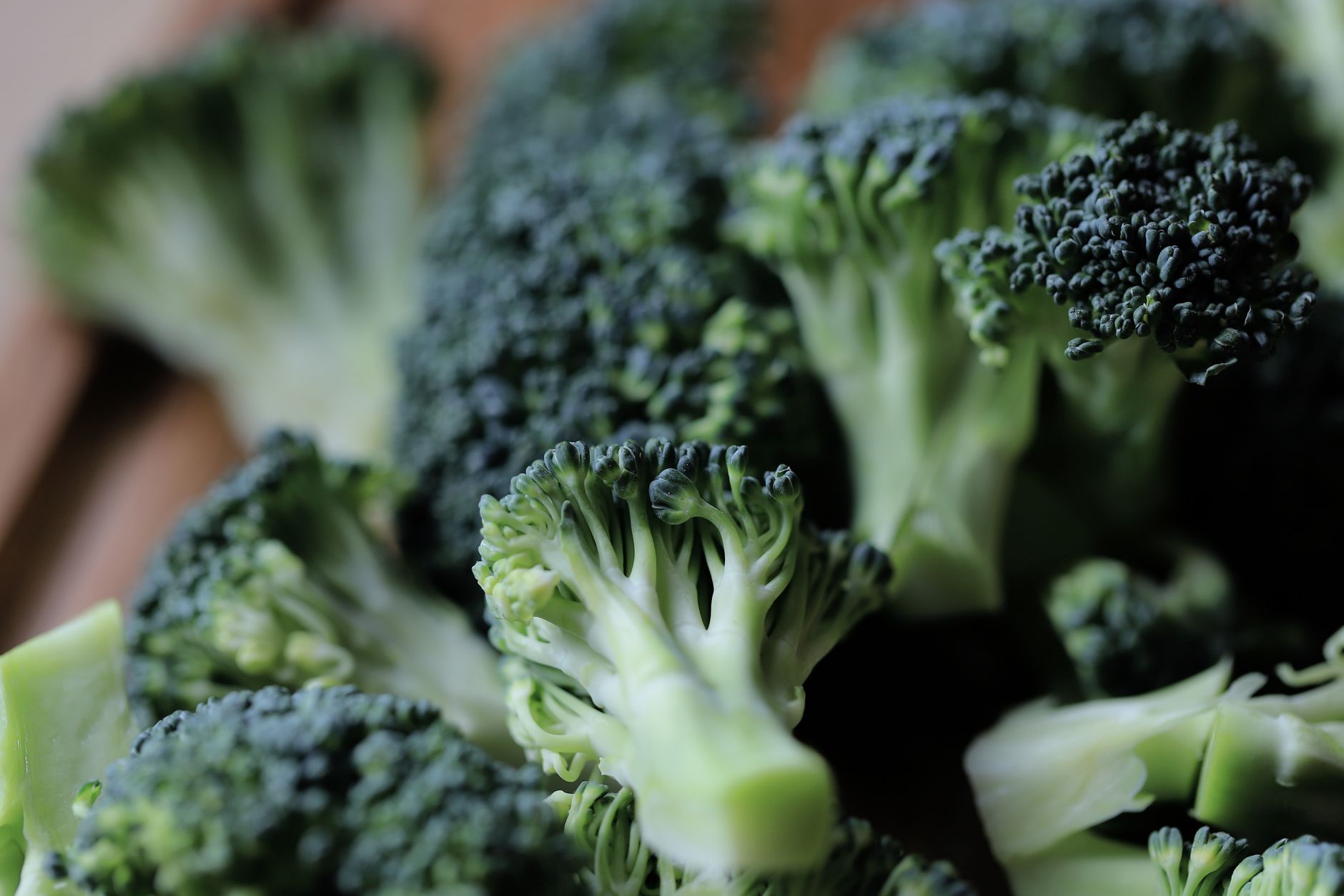
Broccoli is often hailed as a superfood due to its impressive nutritional profile and versatility in the kitchen. This cruciferous vegetable can enhance your meals with both its flavor and myriad health benefits. Understanding what broccoli does for you will encourage you to incorporate it more regularly into your diet.
From its vitamin content to its cancer-fighting properties, broccoli has much to offer the health-conscious cook. This article will explore the nutritional ingredients of broccoli, its health benefits, and how to prepare and use it in everyday meals.
What Does Broccoli Do for You?
Broccoli is a nutrient-dense vegetable that offers various health benefits. It provides essential vitamins and minerals, supports heart health, and may even reduce cancer risk. Incorporating broccoli into your diet can contribute to overall well-being and improve nutrition.
Nutritional Profile of Broccoli
Broccoli is rich in a variety of nutrients that play crucial roles in maintaining health. Here’s a closer look at its most notable ingredients:
- Vitamins: Broccoli is an excellent source of vitamins C, K, and A. Vitamin C supports the immune system and is vital for skin health, while vitamin K is essential for blood clotting and bone health. Vitamin A is crucial for eye health.
- Minerals: It contains essential minerals such as calcium, potassium, and iron. Calcium is critical for bone health, potassium helps in blood pressure regulation, and iron supports oxygen transport in the blood.
- Fiber: Broccoli is high in dietary fiber, which aids digestion and promotes a feeling of fullness, helping with weight management.
- Antioxidants: This vegetable is packed with antioxidants, including sulforaphane, which are compounds that may reduce oxidative stress and inflammation in the body.
- Phytochemicals: Broccoli contains glucosinolates, which have been studied for their potential cancer-fighting properties.
Health Benefits of Broccoli
Incorporating broccoli into your diet can lead to numerous health benefits. Let’s explore these in more detail:
1. Supports Immune Function
The high vitamin C content in broccoli plays a crucial role in boosting the immune system. Regular consumption may help your body fight off infections and illnesses.
2. Promotes Bone Health
Vitamin K and calcium found in broccoli are vital for maintaining bone density and health. These nutrients can help lower the risk of osteoporosis as one ages.
3. Aids Digestive Health
The fiber content in broccoli aids in digestion, keeping your gut healthy. It helps maintain regular bowel movements and can prevent constipation.
4. Potential Cancer-Fighting Properties
Research indicates that the sulforaphane in broccoli may help reduce the risk of certain types of cancer by detoxifying harmful compounds in the body and inhibiting the growth of cancer cells.
5. Cardiovascular Health
The antioxidants in broccoli can help reduce inflammation and oxidative stress, which are risk factors for heart disease. Additionally, its potassium content supports heart health by regulating blood pressure.
6. Supports Healthy Eyes
Broccoli contains lutein and zeaxanthin, two carotenoids that contribute to good eye health. These nutrients help protect against age-related macular degeneration and cataracts.
7. May Improve Skin Health
The antioxidants and vitamins in broccoli can contribute to healthier skin. Vitamin C aids in the production of collagen, essential for maintaining skin elasticity.
Cooking with Broccoli
Broccoli is a versatile vegetable that can be used in various dishes. Whether you’re looking to steam, roast, stir-fry, or incorporate it into soups and salads, broccoli can enhance your meals in numerous ways.
Preparation Tips
When preparing broccoli, here are some handy tips:
- Washing: Before cooking, rinse broccoli thoroughly under cold water to remove any dirt or pesticides.
- Trimming: Cut the broccoli head into bite-sized florets, and you can also peel the stem and slice it to use.
- Cooking Methods: Broccoli can be steamed, boiled, stir-fried, roasted, or eaten raw. The cooking method will affect its texture and flavor.
Cooking Techniques
Here are several common cooking methods for broccoli and tips to achieve the best results:
Steaming Broccoli
- Fill a pot with water and bring it to a boil.
- Place broccoli florets in a steamer basket and set it over the pot, ensuring it doesn’t touch the water.
- Cover and steam for about 4-5 minutes, or until the broccoli is bright green and tender-crisp.
- Remove from heat and season with salt, pepper, or a drizzle of olive oil before serving.
Roasting Broccoli
- Preheat the oven to 425°F (220°C).
- Toss broccoli florets with olive oil, salt, and pepper.
- Spread them in a single layer on a baking sheet.
- Roast for 20-25 minutes or until the edges are crispy and the florets are tender.
- Serve as a delicious side dish or toss into salads.
Stir-Frying Broccoli
- Heat a tablespoon of oil in a large skillet or wok over medium-high heat.
- Add sliced broccoli and other vegetables of your choice.
- Stir-fry for about 5-7 minutes, or until vegetables are tender but still crisp.
- Season with soy sauce, garlic, and ginger for extra flavor.
Recipes Featuring Broccoli
Broccoli can be the star of various dishes. Here’s a selection of recipes using broccoli to highlight its versatility:
1. Broccoli and Cheese Casserole
This creamy casserole combines tender broccoli with a cheesy sauce for a comforting side dish.
2. Broccoli Quinoa Salad
Mix cooked quinoa with raw broccoli florets, cherry tomatoes, and a lemon vinaigrette for a refreshing salad.
3. Beef and Broccoli Stir-Fry
This classic dish pairs beef with broccoli in a savory sauce, making for a delicious and nutritious meal.
Practical Substitutions for Broccoli
If you find yourself without broccoli or want to try something different, there are several vegetables you can use as substitutes:
- Cauliflower: Similar in texture and can be used in the same way. Great for roasting and steaming.
- Green Beans: Offers a different flavor but maintains a similar crunch and can be used in stir-fries.
- Brussels Sprouts: Another cruciferous vegetable that provides a similar nutritional profile and can be roasted.
- Kale or Spinach: While these leafy greens have a different texture, they can add nutrients to salads and smoothies.
Common Mistakes When Cooking Broccoli
While cooking broccoli may seem straightforward, a few common mistakes can impact the outcome:
- Overcooking: Broccoli cooks quickly, and overcooking can lead to mushy texture and loss of color and nutrients. Aim for tender-crisp.
- Neglecting to prep: Proper washing and trimming are essential for removing dirt and ensuring even cooking.
- Not seasoning: Broccoli can be bland without seasoning. A pinch of salt, acid, or herbs can elevate its flavor.
Storage and Preservation of Broccoli
Keeping broccoli fresh is crucial for maintaining its flavor and nutritional value. Here are some tips for proper storage:
- In the Refrigerator: Store unwashed broccoli in a perforated plastic bag in the crisper drawer of the refrigerator. It should stay fresh for about 3-5 days.
- Freezing: For longer storage, blanch broccoli in boiling water for 2-3 minutes, then transfer to ice water. Drain and freeze in airtight bags for up to 12 months.
- Cooking and Refrigerating: Cooked broccoli can be stored in an airtight container in the refrigerator for 3-4 days.
Meal Planning with Broccoli
Incorporating broccoli into your meal planning can help you eat more vegetables and stick to a healthy eating routine. Here’s how to include broccoli in your weekly menu:
- Soup Night: Include broccoli in a vegetable soup or puree it for a creamy broccoli soup.
- Stir-Fry Options: Add broccoli to your favorite stir-fries or Asian-inspired dishes.
- Salad Ingredients: Use raw broccoli florets as crunchy salad ingredients.
- Batch Cooking: Cook a large amount of broccoli and use it in different meals throughout the week.
By understanding what broccoli does for you and how to incorporate it into your meals, you can enhance both your health and your cooking repertoire. Whether enjoyed steamed, roasted, or in salads, broccoli is a beneficial addition to any diet.
Explore more about the carbohydrate content with does broccoli have carbs or try a tasty ground beef and broccoli recipe to put this superfood to use!