
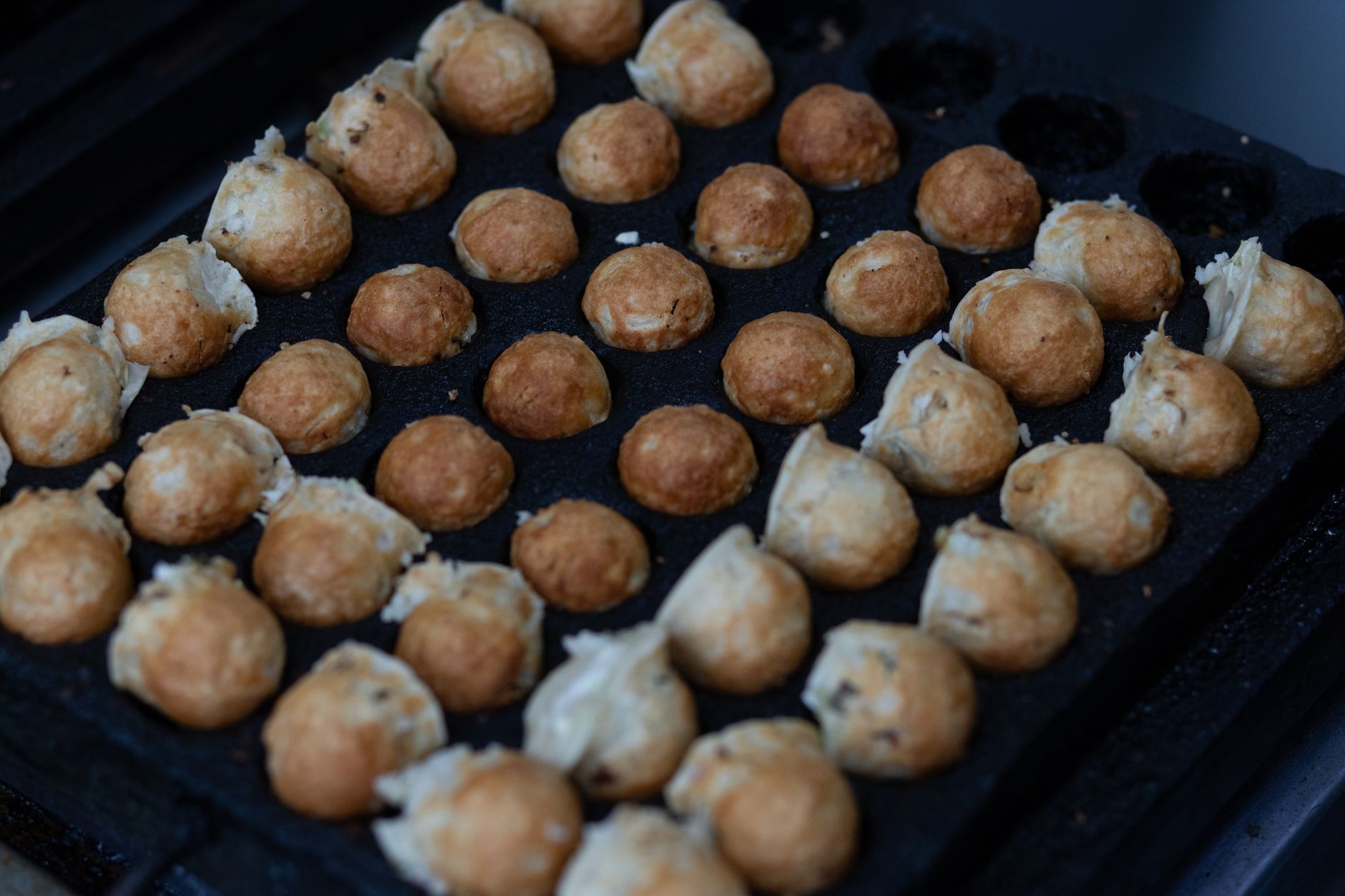
Takoyaki is a popular Japanese street food that consists of small, round balls filled with minced or diced octopus, green onions, and pickled ginger, all encased in a delicious batter. These savory snacks are cooked on a specialized takoyaki grill, creating a crispy outer layer and a tender, flavorful inside.
Understanding what takoyaki is made of is essential for anyone interested in Japanese cuisine. In this article, we will delve into the traditional ingredients used in making takoyaki, how they contribute to the dish’s unique flavor and texture, and offer some practical serving tips.
What Is Takoyaki Made Of?
Takoyaki is primarily made of batter, filling, and toppings. The key components include takoyaki flour, water or dashi, eggs, octopus, and various aromatics. Below is a detailed breakdown of the essential ingredients used in this delightful dish.
Key Ingredients
1. Takoyaki Flour
Takoyaki flour is a specialized blend of all-purpose flour and starch. This flour is often infused with baking powder, which helps achieve a light and fluffy texture. For those unable to find takoyaki flour, a mix of all-purpose flour, corn starch, and a pinch of baking powder can be a suitable substitute.
2. Liquid Base
The liquid base in takoyaki is typically a combination of water and dashi stock. Dashi is a fundamental Japanese cooking stock made from kelp and bonito flakes. Using dashi instead of plain water adds an umami flavor that enhances the overall taste of takoyaki. For a vegetarian option, kombu dashi can be used, which omits fish products.
3. Eggs
Eggs are an essential ingredient in takoyaki batter, contributing to its richness and texture. They help bind the batter while also making it fluffier when cooked. One egg is usually enough for a standard batch of takoyaki, but this can be adjusted according to personal taste and texture preference.
4. Octopus (Tako)
The star of takoyaki is the octopus, known as tako in Japanese. The octopus used in takoyaki is typically boiled and chopped into small pieces. Depending on preference, you can adjust the amount of octopus in each ball. If you cannot find octopus, cooked shrimp or even imitation crab can work as substitutes, though the flavor will differ.
5. Green Onions (Negi)
Green onions add freshness and a mild onion flavor to the takoyaki. Chopped finely, they are mixed into the batter before cooking, providing a delightful contrast to the richness of the octopus. If green onions are unavailable, shallots or chives can be used, albeit with a slightly different taste profile.
6. Pickled Ginger (Beni Shoga)
Pickled ginger, or beni shoga, adds a tangy kick to the takoyaki filling. Its bright flavor complements the earthy tones of the octopus and the richness of the batter. If you don’t have pickled ginger, freshly grated ginger can be a good alternative, although it will alter the overall taste slightly.
7. Toppings
Takoyaki is traditionally topped with a variety of sauces and garnishes. Popular choices include:
- Takoyaki Sauce: A sweet and savory sauce similar to Worcestershire sauce, it is drizzled over the cooked takoyaki.
- Mayonnaise: Japanese mayonnaise, known for its creaminess, adds a rich finish to the dish.
- Aonori: Dried green seaweed flakes that add a subtle oceanic flavor and a vibrant green color.
- Katsuobushi: Shaved bonito flakes that add umami and a delicate texture to the dish. They often dance on top of hot takoyaki due to the heat.
Essential Equipment
To make authentic takoyaki, specific equipment is required:
- Takoyaki Grill/Pan: A specialized grill with round molds that allow the batter to cook evenly and form perfect balls.
- Takoyaki Spatula or Skewer: A long, thin utensil used for flipping the balls while they cook.
- Bowl and Whisk: For preparing the batter.
- Ladle: To pour the batter into the molds.
Step-by-Step Instructions for Making Takoyaki
Now that you’re familiar with the ingredients and equipment, here’s a straightforward guide to making takoyaki:
- Prepare the Dashi: Begin by preparing the dashi (if using). Combine the konbu and bonito flakes in water and bring to a simmer. Strain the dashi and set aside to cool.
- Make the Batter: In a mixing bowl, combine takoyaki flour, eggs, and the cooled dashi. Whisk until smooth and free of lumps. The batter should be of a pourable consistency.
- Preheat the Takoyaki Grill: Heat your takoyaki grill on medium heat and grease the molds lightly with oil to prevent sticking.
- Add the Batter: Pour the batter into each mold, filling them about 3/4 full. Make sure to add a few pieces of octopus, chopped green onions, and pickled ginger into each mold.
- Cook the Takoyaki: Allow the batter to cook for about 2-3 minutes, until the edges start to set. Use the spatula to gently lift and rotate the balls a quarter turn.
- Turn the Balls: Once the underside is golden brown, continue to rotate the balls through the molds until they are evenly golden on all sides. This usually takes about 5-6 minutes.
- Serve Hot: Remove the cooked takoyaki from the molds and place them on a serving plate. Drizzle with takoyaki sauce and Japanese mayonnaise, and sprinkle with aonori and katsuobushi before serving.
Common Mistakes and Troubleshooting
Making takoyaki can be tricky for newcomers. Here are some common mistakes to watch out for and ways to troubleshoot:
- Under-filled Molds: If the molds are not filled sufficiently, the balls will not hold together. Ensure each mold is filled adequately with batter and fillings.
- Burnt Exterior: Cooking on too high of a heat can result in burnt spheres while leaving the batter raw inside. Adjust the heat to maintain an even cooking temperature.
- Sticking to the Molds: Insufficient oil can cause the takoyaki to stick. Make sure to grease the molds generously before pouring the batter.
Serving Suggestions
Takoyaki is best enjoyed fresh and hot. Here are some tips to elevate your takoyaki experience:
- Serving Style: Serve takoyaki in wooden trays or on a platter, garnishing with toppings right before serving to keep the flavors fresh.
- Pairing: Takoyaki pairs wonderfully with cold beer or a refreshing sake. If you’re looking for a non-alcoholic option, consider a chilled green tea.
- Experiment: Feel free to experiment with different fillings. Ingredients like cheese, mushroom, or spicy fish cakes can add unique flavors to the traditional takoyaki.
Storage and Reheating Tips
While takoyaki is best consumed right after cooking, leftovers can be stored properly:
- Storage: Cool the takoyaki completely before placing them in an airtight container. They can be refrigerated for up to 2 days.
- Reheating: To reheat, use an air fryer or oven at 350°F (175°C) for about 5-7 minutes to retain the crispiness. Microwave reheating may result in a soggy texture.
Adaptations for Dietary Preferences
Takoyaki can be adapted for various dietary preferences:
- Vegetarian: Swap out octopus for vegetables such as diced zucchini, mushrooms, or even tofu. Use vegetable dashi for the liquid base.
- Gluten-Free: Use a gluten-free flour blend instead of takoyaki flour, ensuring the other ingredients do not contain gluten.
- Vegan: Replace the egg and use aquafaba or a flaxseed mixture to bind the batter, while opting for vegan toppings.
Conclusion
Takoyaki is a delicious testament to Japanese street food culture, showcasing unique flavors and textures. It involves simple ingredients that can be adjusted for personal taste or dietary needs, making it an accessible dish for many. The key to great takoyaki lies in understanding the ingredients and mastering the cooking technique, providing a rewarding experience when done right.
Now that you know what takoyaki is made of, consider experimenting with the dish at home. Explore related recipes and cooking tips, and enjoy the process of creating this iconic Japanese delicacy.