
There’s something truly enchanting about the aroma of freshly baked bread, and Salt Rising Bread brings a unique twist to the table. This bread, with its slightly tangy flavor and soft, fluffy texture, has a fascinating history that dates back to the 1800s. It’s a cherished recipe for many, and its ability to rise without commercial yeast makes it a special treat for adventurous bakers. Whether you’re a seasoned pro or trying bread-making for the first time, this recipe is worth the effort for its delightful taste and texture. Let’s dive into the ingredients and get started!
Why You’ll Love This Recipe
This recipe is a delightful blend of history and flavor. Here are a few reasons to try it:
- Unique flavor profile with a hint of tanginess.
- Soft and airy texture that’s hard to resist.
- Uses a natural leavening method, making it a fun experiment.
- Perfect for sandwiches or just slathered with butter.
- A recipe steeped in tradition that connects us to our roots.
My Experience Making This Recipe
When I first attempted Salt Rising Bread, I was captivated by the process. The bread rises using a unique starter, creating a flavor that is unlike any other homemade bread.
As the bread baked, the kitchen filled with a warm, inviting scent that took me back to my grandmother’s kitchen. Each slice, fresh from the oven, was a moment of pure joy, reminding me of the importance of tradition in our cooking.
Recipe Overview
- Recipe Name: Salt Rising Bread
- Servings: 12 slices
- Prep Time: 15 minutes
- Cook Time: 40 minutes
- Total Time: 55 minutes
- Course: Bread
- Cuisine: American
- Calories per Serving: 150
Equipment You Will Need
- Mixing bowl
- Loaf pan
- Measuring cups and spoons
- Kitchen thermometer
- Plastic wrap or a clean kitchen towel
Ingredients for Salt Rising Bread
- 1 cup milk, heated to 110°F
- 1/2 cup cornmeal
- 1/2 teaspoon salt
- 1/4 teaspoon baking soda
- 2 cups all-purpose flour
- 1 tablespoon sugar
- 1 tablespoon butter, melted
Ingredient Notes and Substitutions
- Milk: Used to activate the starter; non-dairy milk can be a substitute but may alter the flavor slightly.
- Cornmeal: Adds texture; you can use polenta if needed.
- Salt: Enhances flavor; sea salt or kosher salt works well.
- Baking soda: Helps with leavening; ensure it’s fresh for best results.
- All-purpose flour: Provides structure; whole wheat flour can change the texture but adds nutrition.
How to Make Salt Rising Bread
Step 1: Prepare the Starter
In a bowl, combine the heated milk and cornmeal. This mixture needs to sit in a warm place for about 12 hours to ferment, creating that special flavor.
Step 2: Check the Temperature
Ensure the mixture reaches around 110°F before adding additional ingredients. This temperature is essential for activating the natural fermentation process.
Step 3: Mix the Dry Ingredients
In a separate bowl, whisk together the flour, salt, sugar, and baking soda. This ensures even distribution of all the dry components.
Step 4: Combine the Mixtures
Add the dry ingredients to the cornmeal mixture and stir until just combined. Overmixing can lead to dense bread, so keep it gentle.
Step 5: Add Melted Butter
Stir in the melted butter for richness. This step helps create a tender crumb in the final bread.
Step 6: Let the Dough Rise
Transfer the mixture to a greased loaf pan and cover it with plastic wrap or a towel. Let it rise in a warm spot for about 1 to 2 hours until it doubles in size.
Step 7: Preheat the Oven
While the dough is rising, preheat your oven to 375°F. A properly heated oven helps with the initial rise during baking.
Step 8: Bake the Bread
Bake your bread for 30 to 40 minutes, or until the top is golden brown and sounds hollow when tapped. This is the moment to savor the incredible aroma!
Pro Tip: To ensure a perfect rise, keep your dough in a warm environment, like an oven with just the light on.
Tips for the Best Salt Rising Bread
- Ensure your ingredients are fresh, especially the baking soda and flour.
- Keep an eye on the temperature; too hot or too cold can affect fermentation.
- Experiment with rising times based on your kitchen’s warmth for optimal results.
- Don’t rush the baking process; let it cool completely before slicing for the best texture.
- Consider adding herbs or spices to the dough for a flavorful twist.
Common Mistakes to Avoid
- Skipping the starter fermentation; it’s vital for flavor and texture.
- Using cold ingredients; they can inhibit the rising process.
- Not measuring accurately; baking is a science, and precision matters.
- Overbaking; watch closely to avoid dry bread.
Serving Suggestions
This bread pairs beautifully with a variety of dishes, enhancing any meal. Here are some pairing ideas:
- Spread with homemade jam for breakfast.
- Use for hearty sandwiches with meats and cheeses.
- Serve alongside soups and stews for a comforting meal.
- Top with avocado and a sprinkle of salt for a light lunch.
Variations to Try
- Add herbs like rosemary or thyme for a savory twist.
- Incorporate seeds such as sunflower or flax for added texture.
- Swap some all-purpose flour with whole wheat flour for a heartier bread.
- Mix in cheese like cheddar for a deliciously cheesy loaf.
Dietary Adaptations
- Gluten-free: Use a gluten-free flour blend, but be aware of texture changes.
- Dairy-free: Substitute milk with almond or oat milk.
- Vegan: Replace butter with a plant-based alternative.
- Low-carb/keto: Experiment with almond flour, though it will alter the texture.
Storage and Reheating
Refrigerator
Store in an airtight container for up to a week.
- Slice before storing for easy access.
- Wrap in plastic wrap to maintain freshness.
Freezer
Freeze for longer storage, up to three months.
- Slice before freezing for convenience.
- Use freezer-safe bags or containers to prevent freezer burn.
Reheating
Reheat slices in the toaster or oven to restore freshness.
- Wrap in aluminum foil for oven reheating.
- Toast slices for a crispy exterior.
Nutrition Information
| Nutrient | Amount |
|---|---|
| Calories | 150 |
| Total Fat | 5g |
| Saturated Fat | 2.5g |
| Carbohydrates | 22g |
| Fiber | 1g |
| Sugar | 1g |
| Protein | 4g |
| Sodium | 200mg |
| Cholesterol | 10mg |
This information is an estimate and can vary based on specific ingredients and portion sizes.
Frequently Asked Questions
Can I use other types of flour?
Yes, but different flours will alter the texture and flavor. Whole wheat flour or gluten-free blends can be used with some adjustments.
How can I make this bread ahead of time?
You can prepare the starter a day in advance. Just keep it in a warm place and proceed with the recipe the next day.
How long can I store this bread?
It can be stored in an airtight container in the refrigerator for about a week or frozen for up to three months.
Why didn’t my bread rise?
This could be due to the starter not being warm enough or using old ingredients. Always check temperatures and freshness.
What makes salt rising bread unique?
It relies on a natural fermentation process instead of commercial yeast, giving it a distinct flavor and texture.
Final Thoughts
Making Salt Rising Bread is a rewarding experience that brings history to your kitchen. The unique flavor and texture are sure to impress anyone lucky enough to have a slice.
So why not give it a try? You might find this recipe becoming a cherished staple in your home, just like it has for many families before us.
For more delightful recipes, check out my Einkorn Bread Recipe and Sourdough Baguette Recipe. Happy baking!
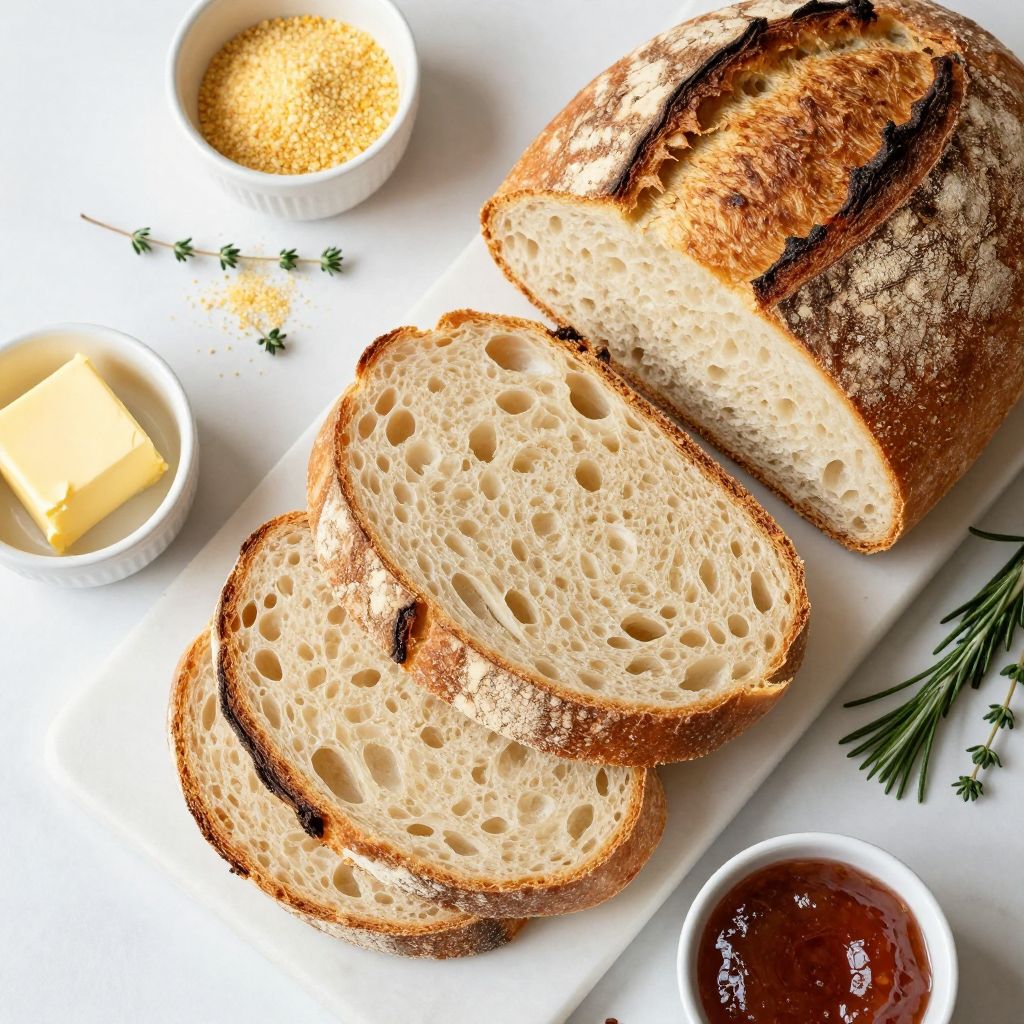
Salt Rising Bread
Ingredients
Equipment
Method
- In a bowl, combine the heated milk and cornmeal.
- Let the mixture sit in a warm place for about 12 hours to ferment.
- Check the temperature; it should be around 110°F before adding additional ingredients.
- In a separate bowl, whisk together the flour, salt, sugar, and baking soda.
- Add the dry ingredients to the cornmeal mixture and stir until just combined.
- Stir in the melted butter.
- Transfer the mixture to a greased loaf pan and cover it.
- Let it rise in a warm spot for about 1 to 2 hours until it doubles in size.
- Preheat your oven to 375°F.
- Bake the bread for 30 to 40 minutes until the top is golden brown.