
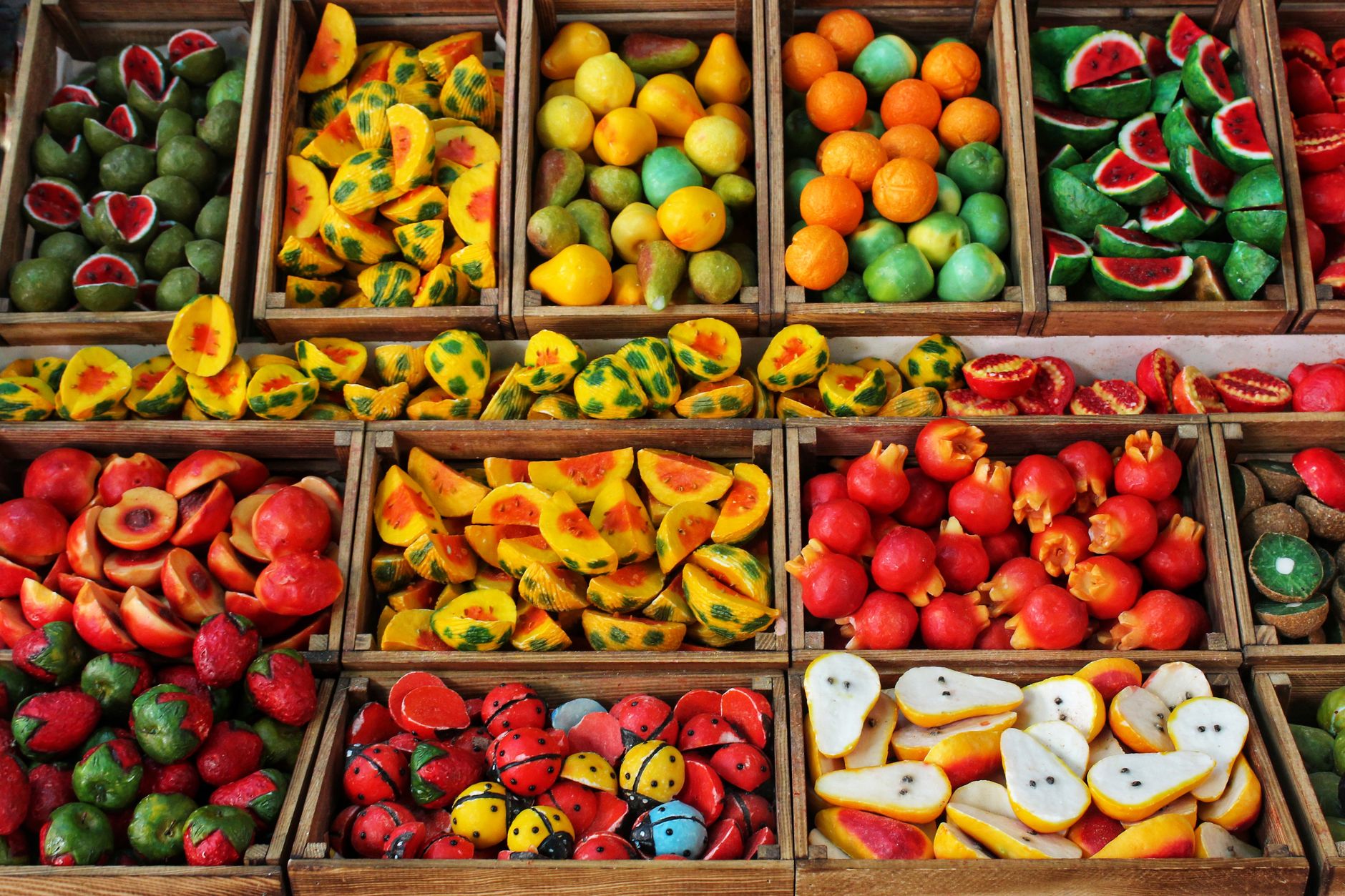
Fruits are an essential part of a balanced diet, offering a variety of flavors, textures, and nutritional benefits. Understanding which fruits are best for you can enhance your meal planning, support your health, and elevate your culinary creations.
This article delves into some of the best fruits for your health, how to incorporate them into your meals, and some practical tips for selecting and preparing them.
What Fruits Are the Best for You?
The best fruits for you are ones that are nutrient-dense, providing vitamins, minerals, fiber, and antioxidants. Some of the top contenders include berries, citrus fruits, apples, bananas, and avocados. Each brings its unique flavor and health benefits, making them versatile choices for various culinary applications.
The Nutritional Powerhouses of Fruits
Different fruits pack different nutritional punches. Here are a few categories and specific fruits that are particularly beneficial:
Berries
Berries, including blueberries, strawberries, raspberries, and blackberries, are low in calories but high in vitamins, minerals, and antioxidants. They are rich in:
- Vitamin C: Essential for immune function
- Fiber: Aids digestion and helps maintain a healthy weight
- Antioxidants: Protects against free radicals
Adding berries to your breakfast, smoothies, or desserts boosts both flavor and nutrition.
Citrus Fruits
Citrus fruits like oranges, grapefruits, lemons, and limes are well-known for their vitamin C content. They also provide:
- Folate: Important for DNA synthesis
- Flavonoids: Associated with anti-inflammatory and antioxidant effects
The zesty taste of citrus can brighten salads, sauces, and marinades.
Apples
Apples are a great source of fiber, particularly if you eat the skin. They contain:
- Vitamin C: Enhances immune defense
- Various phytonutrients: Support heart health
Apples are highly versatile; use them in snacks, salads, or as desserts.
Bananas
Bananas are known for their potassium content, essential for heart health and muscle function. They also offer:
- Vitamin B6: Supports brain health and metabolic function
- Fiber: Promotes digestive health
Bananas can be enjoyed on their own, in smoothies, or baked into bread and pancakes.
Avocados
While often thought of as a vegetable, avocados are actually fruit. They are unique in their high healthy fat content and provide:
- Monounsaturated fats: Good for heart health
- Fiber: Aids in digestion and promotes fullness
- Vitamins E and K: Beneficial for skin and bone health
Avocados are delicious in salads, sandwiches, and smoothies, offering creaminess without unhealthy fats.
How to Choose the Best Fruits
When selecting fruits, consider the following tips to ensure you get the highest quality and best flavor:
Look for Vibrant Color
A fruit that is bright and vibrant is usually a sign of freshness and ripeness. For example, strawberries should be bright red, while bananas should have a bright yellow peel.
Check for Firmness
Gently squeeze the fruit to determine its firmness. Apples and oranges should feel firm, while avocados are best when slightly soft to the touch.
Smell the Fruit
A fresh fruit often emits a sweet aroma; if you can smell the fruit before even cutting into it, it’s probably ripe and bursting with flavor.
Ways to Incorporate Fruits into Your Meals
Incorporating fruits into your daily meals can be both easy and creative. Here are some practical ideas:
Breakfast Boosters
Start your day with fruits by adding them to smoothies, yogurt, or oatmeal. For example:
- Blend berries, bananas, and spinach for a nutritious smoothie.
- Top yogurt with sliced peaches and a sprinkle of granola.
- Mix sliced apples into oatmeal with cinnamon and nuts.
Creative Salads
Fruits can add sweetness and texture to salads. Consider:
- Spinach salad topped with strawberries, walnuts, and a balsamic vinaigrette.
- Mixed greens with orange segments, avocado, and a sesame dressing.
- Quinoa salad with peaches, feta cheese, and mint.
Delicious Snacks
Fruits can be the perfect snack. Try:
- Apple slices with almond butter.
- Mixed berry parfaits layered with Greek yogurt.
- Banana chips or dried mangos for on-the-go options.
Sweet Desserts
Fruits can naturally sweeten your desserts. Consider:
- Fruit tarts made with a variety of fresh fruits.
- Berry compote to serve over cakes or ice cream.
- Frozen fruit pops using blended fruit mixtures.
Practical Tips for Storing Fruits
Proper storage extends the shelf life of fruits and maintains their flavor. Here are some tips:
Room Temperature vs. Refrigeration
Some fruits fare better at room temperature while others should be refrigerated. For example:
- Store bananas, apples, and oranges at room temperature until ripe.
- Once ripe, refrigerate berries, grapes, and cut fruits to prolong freshness.
Avoiding Ethylene Gas Damage
Certain fruits, like bananas and avocados, produce ethylene gas that can ripen other fruits more quickly. Keep ethylene-producing fruits separate from others.
Seasonality and Regional Considerations
Buying fruits in-season usually yields more flavorful and nutrient-dense options. Here are some seasonal highlights:
| Season | Fruits |
|---|---|
| Spring | Strawberries, cherries, apricots |
| Summer | Peaches, melons, blueberries, berries |
| Autumn | Apples, pears, grapes, figs |
| Winter | Citrus fruits, pomegranates, kiwis |
Substitutions and Variations
When cooking or baking with fruits, substitutions can be made based on availability or dietary preferences. Here are some practical ideas:
Fruit for Sweeteners
Substitute ripe bananas or applesauce for sugar in baking to add moisture and flavor.
Frozen vs. Fresh Fruits
If fresh fruits aren’t available, frozen fruits can be used without a significant loss in nutritional value. Use them in smoothies or baking.
Common Mistakes and Troubleshooting
Here are a couple of common mistakes to avoid when preparing fruits:
Over-Ripening
Keep an eye on your fruits, especially bananas and avocados, to prevent over-ripening. If they become overly ripe, consider using them in smoothies or baked goods.
Cutting Techniques
Improper cutting can lead to browning. For apples and bananas, dip them in lemon juice to prevent oxidation once cut.
Conclusion
Incorporating a variety of fruits into your diet not only enhances flavor but also boosts nutritional intake. Whether you enjoy them fresh, cooked, or in smoothies, there’s a myriad of ways to enjoy the benefits of fruits. Start experimenting with different fruits in your meals to discover your favorites.
For further exploration, consider checking how long do blueberries last or how long should chia seeds soak for additional cooking tips.