
Picture this: a steaming plate of Chow Mein, with its perfectly crisp noodles and vibrant, colorful vegetables. This dish is a delightful mix of flavors and textures, making it a go-to for weeknight dinners and weekend gatherings alike.
This recipe is not only quick to whip up but also incredibly versatile, letting you customize it with your favorite proteins and veggies. With its savory sauce and satisfying crunch, it’s bound to become a family favorite!
Why You’ll Love This Recipe
Every bite of this Chow Mein is a burst of flavor and nostalgia.
- Quick and easy to prepare, perfect for busy nights.
- Customizable with various proteins and vegetables.
- Deliciously crispy noodles that add texture.
- Great for meal prep and leftovers.
- A crowd-pleasing dish that suits all taste buds.
My Experience Making This Recipe
When I first made Chow Mein, the aroma filled my kitchen, instantly transporting me to my favorite Chinese restaurant. The sizzle of the vegetables and the sound of the noodles frying was music to my ears.
My family gathered around the table, and their eyes lit up when they saw the colorful dish. With every bite, I could see how much they enjoyed it, and that made the effort worthwhile.
Recipe Overview
- Recipe Name: Chow Mein
- Servings: 4
- Prep Time: 15 minutes
- Cook Time: 15 minutes
- Total Time: 30 minutes
- Course: Main Course
- Cuisine: Chinese
- Calories per Serving: 350
Equipment You Will Need
- Wok or large skillet
- Spatula or wooden spoon
- Measuring cups and spoons
- Cutting board
- Knife
- Serving bowls
Ingredients for Chow Mein
- 8 oz chow mein noodles
- 2 tbsp vegetable oil
- 1 cup sliced bell peppers
- 1 cup sliced carrots
- 1 cup bean sprouts
- 1/2 cup sliced green onions
- 2 cloves garlic, minced
- 2 tbsp soy sauce
- 1 tbsp oyster sauce
- 1 tsp sesame oil
- Salt and pepper to taste
Ingredient Notes and Substitutions
- Chow mein noodles: These provide the characteristic texture; you can substitute with egg noodles if needed.
- Vegetable oil: Used for frying; can be replaced with canola or peanut oil.
- Bell peppers: Add sweetness and crunch; any color works, or you can use snow peas for a different flavor.
- Garlic: Offers aromatic flavor; fresh ginger can be used for a spicier kick.
- Soy sauce: Adds umami; low-sodium soy sauce works if you’re watching salt intake.
How to Make Chow Mein
Step 1: Cook the Noodles
Begin by boiling the chow mein noodles according to package instructions. Cooking them properly ensures a firm texture that won’t turn mushy when stir-fried.
Step 2: Prepare the Vegetables
While the noodles cook, wash and slice your bell peppers, carrots, and green onions. Fresh vegetables not only add color but also beneficial nutrients.
Step 3: Heat the Wok
Heat the wok or skillet over medium-high heat and add vegetable oil. A hot wok is crucial for achieving that sought-after crispy texture on the noodles.
Step 4: Sauté the Aromatics
Add minced garlic to the hot oil and stir-fry for about 30 seconds. This step infuses the oil with flavor, enhancing the entire dish.
Step 5: Add the Vegetables
Stir in the sliced bell peppers and carrots, cooking for 2-3 minutes until they start to soften. Keeping them slightly crunchy adds a delightful bite to the dish.
Step 6: Incorporate the Noodles
Once the vegetables are ready, add the drained noodles to the wok. Tossing them together allows the noodles to absorb the flavors of the vegetables and oil.
Step 7: Season the Dish
Pour in soy sauce, oyster sauce, and sesame oil, mixing well to ensure even distribution. This combination gives your chow mein its signature savory flavor.
Step 8: Final Touches
Lastly, fold in the bean sprouts and green onions, cooking for an additional minute. This adds freshness and a lovely crunch just before serving.
Pro Tip: For extra crunch, try adding your vegetables in stages, with denser ones first, and keep the heat high while cooking.
Tips for the Best Chow Mein
- Use fresh noodles for better texture; they cook quicker and taste great.
- Don’t overcrowd the pan; this allows for better frying and prevents steaming.
- Adjust the sauce ingredients according to your taste preference for sweetness or saltiness.
- Let the noodles sit for a minute after cooking for improved crispness.
- Experiment with different vegetables to keep things exciting every time you make it.
Common Mistakes to Avoid
- Not boiling the noodles properly: Overcooked noodles lead to a mushy texture.
- Using too much oil: This can make the dish greasy instead of flavorful.
- Skipping the high heat: Cooking on low can result in soggy noodles.
- Not seasoning enough: A lack of sauce makes the dish bland and unappetizing.
Serving Suggestions
Serve your chow mein hot and fresh, straight from the wok. Pair it with these options for a complete meal.
- Sweet and sour chicken
- Egg rolls
- Steamed dumplings
- Hot and sour soup
Variations to Try
- Add shrimp for a seafood twist that elevates the dish.
- Incorporate tofu for a vegetarian version packed with protein.
- Swap in different sauces like teriyaki for a unique flavor profile.
- Include seasonal vegetables for a fresh touch throughout the year.
Dietary Adaptations
- Gluten-free: Use rice noodles instead of chow mein noodles.
- Dairy-free: All ingredients are naturally dairy-free.
- Vegan: Omit oyster sauce or use a plant-based alternative.
- Low-carb/keto: Replace noodles with spiralized zucchini or cauliflower rice.
Storage and Reheating
Refrigerator
Store leftover chow mein in an airtight container for up to 3 days.
- Let it cool completely before refrigerating.
- Reheat in a pan for best texture.
Freezer
For longer storage, freeze in a sealed container for up to 2 months.
- Thaw in the refrigerator overnight before reheating.
- Freezing may soften the noodles slightly.
Reheating
Reheat on the stovetop, adding a splash of water to prevent drying out.
- Stir frequently to ensure even heating.
- Microwaving is an option, but it may lose crunchiness.
Nutrition Information
| Nutrient | Amount |
|---|---|
| Calories | 350 |
| Total Fat | 12g |
| Saturated Fat | 1g |
| Carbohydrates | 52g |
| Fiber | 3g |
| Sugar | 4g |
| Protein | 9g |
| Sodium | 800mg |
| Cholesterol | 0mg |
This nutritional information is an estimate and may vary based on the ingredients used.
Frequently Asked Questions
Can I use other types of noodles?
Absolutely! You can use egg noodles or rice noodles based on your preference.
Can I make this ahead of time?
Yes, you can prepare the ingredients ahead and stir-fry just before serving for the best texture.
How should I store leftovers?
Store in an airtight container in the refrigerator for up to 3 days.
Why are my noodles sticky?
Sticky noodles usually result from overcooking or not rinsing them after boiling.
Can I add more vegetables?
Definitely! Feel free to get creative with your choices.
Final Thoughts
Making your own Chow Mein at home is a rewarding experience that brings delicious flavors to your kitchen. With just a few simple ingredients and steps, you can enjoy a restaurant-quality dish any night of the week.
So why not give this recipe a try? You might find it’s not just a meal but a new family tradition!
For more delightful Asian-inspired dishes, check out this Beef Lo Mein recipe or enjoy the flavors of a Chow Fun recipe!
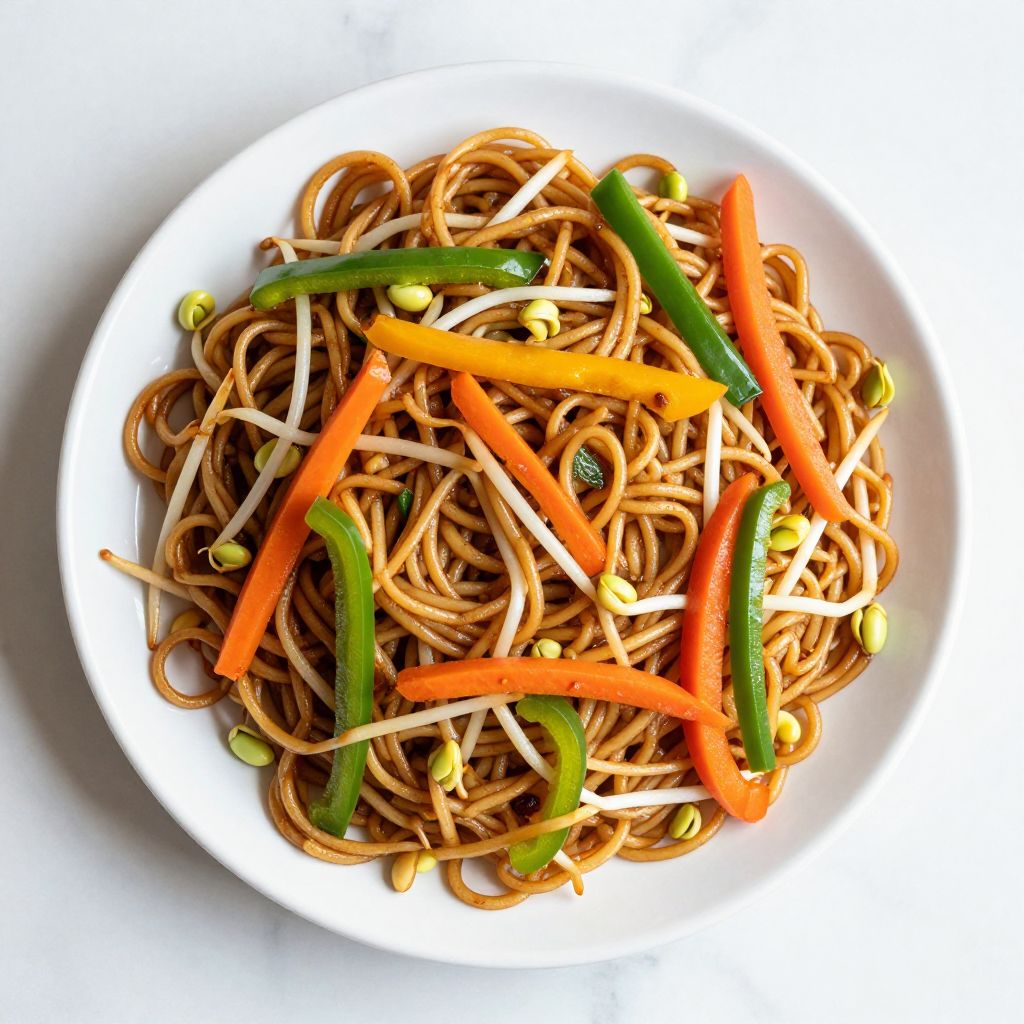
Chow Mein
Ingredients
Equipment
Method
- Begin by boiling the chow mein noodles according to package instructions.
- While the noodles cook, wash and slice your bell peppers, carrots, and green onions.
- Heat the wok or skillet over medium-high heat and add vegetable oil.
- Add minced garlic to the hot oil and stir-fry for about 30 seconds.
- Stir in the sliced bell peppers and carrots, cooking for 2-3 minutes until they start to soften.
- Once the vegetables are ready, add the drained noodles to the wok.
- Pour in soy sauce, oyster sauce, and sesame oil, mixing well to ensure even distribution.
- Lastly, fold in the bean sprouts and green onions, cooking for an additional minute.