
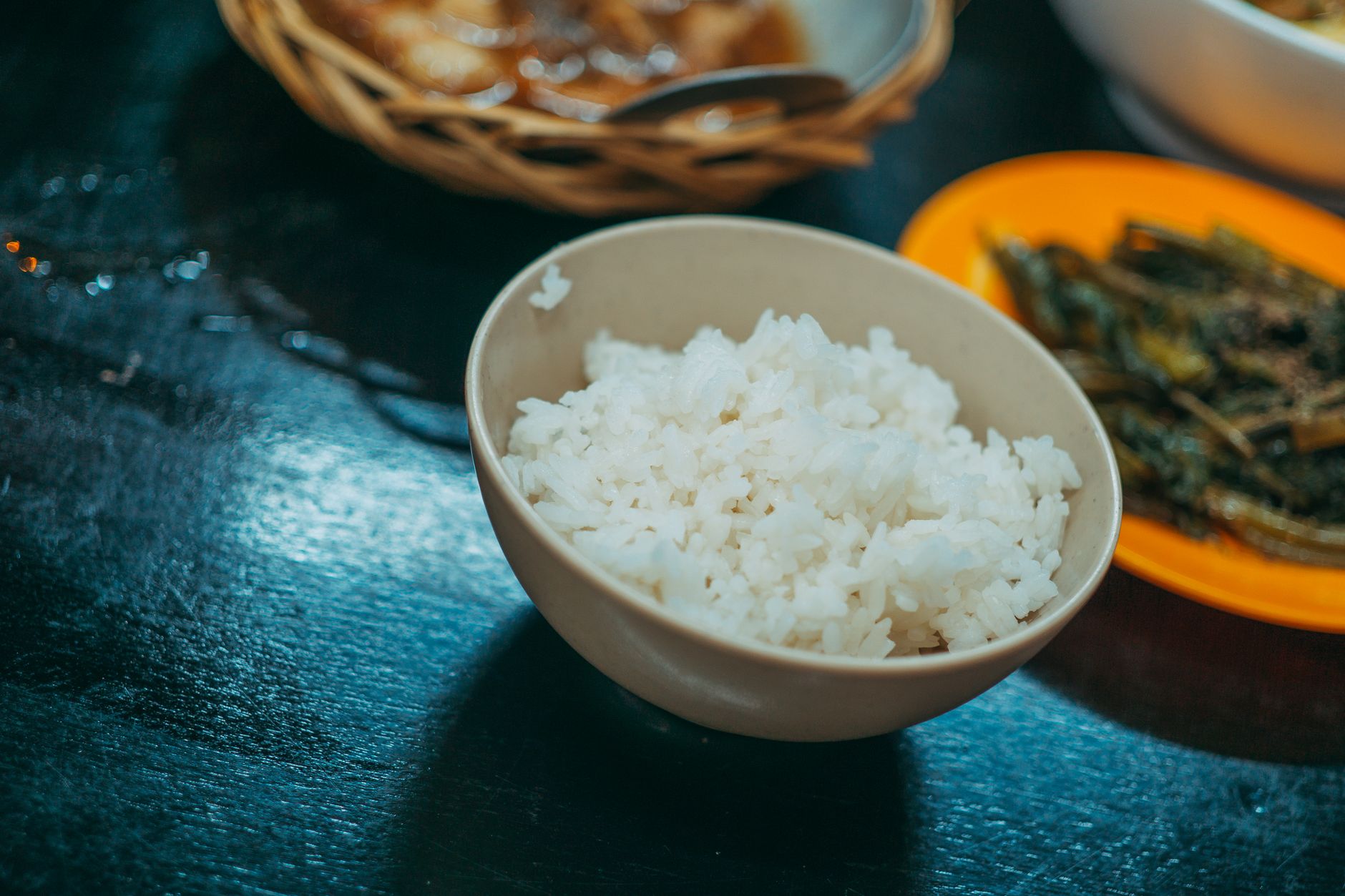
White rice is a staple in many households thanks to its versatility, cost-effectiveness, and ease of preparation. Whether served as a side dish, part of a stir-fry, or incorporated into a curry, properly storing white rice ensures its quality and safety for future meals. In this guide, we’ll explore how long you can keep white rice in the fridge, the best storage practices, and how to reheat it safely.
Understanding how long cooked white rice lasts in the refrigerator can save you money by preventing food waste and ensuring your meals are safe to eat. Let’s dive into the specifics of white rice storage, including shelf life, tips for extending freshness, and safe reheating methods.
How Long Can You Keep White Rice in the Fridge?
You can typically keep cooked white rice in the fridge for about 4 to 6 days. After this time, the quality may begin to degrade, and the risk of foodborne illness increases. Proper storage methods can help you maximize freshness.
Understanding Cooked White Rice
Cooked white rice is any type of white rice—such as long-grain, short-grain, or jasmine—that has been boiled or steamed until tender. It has a chewy texture and a mild flavor, making it a great base for many dishes. However, once cooked, rice can harbor bacteria if not stored properly.
Importance of Food Safety
Rice can contain spores of Bacillus cereus, a bacteria that can survive cooking. If cooked rice is left at room temperature for too long, these spores can grow and produce toxins, leading to food poisoning. Thus, it’s crucial to refrigerate cooked rice within two hours of cooking to minimize health risks.
Storing Cooked White Rice: Best Practices
Proper storing techniques can extend the shelf life of cooked white rice. Here are the steps you should follow:
1. Cool Down Properly
After cooking, allow the rice to cool to room temperature. You can spread it out in a single layer on a baking sheet to speed up the cooling process. Avoid letting it sit out for longer than two hours.
2. Use Airtight Containers
Transfer the cooled rice into airtight containers or resealable plastic bags. Be sure to press out as much air as possible before sealing. This helps to prevent moisture buildup and keeps the rice from absorbing odors from other foods in the refrigerator.
3. Label and Date
If you often store leftovers, it’s a good idea to label your containers with the date. This practice helps you track storage duration and ensures you use the oldest items first.
4. Store Promptly
Place the container of rice in the refrigerator as soon as it’s cooled and sealed. This helps inhibit the growth of bacteria.
How to Reheat Cooked White Rice
When you’re ready to eat the leftover rice, reheating it properly is essential. Here are effective methods to reheat your stored white rice:
1. Microwave Method
- Place the desired amount of rice in a microwave-safe bowl.
- Add a tablespoon of water to help create steam.
- Cover the bowl with a microwave-safe lid or plate.
- Heat on high for 1-3 minutes, stirring halfway through, until heated thoroughly.
- Check that the rice is steaming hot throughout before serving.
2. Stovetop Method
- In a saucepan, add the cold rice and a splash of water or broth to help moisten it.
- Cover the pan and heat over low to medium heat.
- Stir occasionally until the rice is heated through, typically about 5-7 minutes.
3. Oven Method
- Preheat your oven to 350°F (175°C).
- Spread the rice in an even layer in a baking dish.
- Add a splash of water and cover tightly with aluminum foil.
- Bake for about 15-20 minutes, or until heated throughout.
Signs That Cooked Rice Has Spoiled
Even when stored properly, cooked white rice doesn’t last indefinitely. Here’s how to tell if it has gone bad:
- Smell: If the rice has developed an off or sour smell, it’s best to discard it.
- Appearance: Look for any unusual discoloration or the presence of mold.
- Texture: If the rice has become excessively dry or hard, it may not be safe to eat.
Freezing Cooked White Rice
If you want to extend the shelf life beyond a week, consider freezing your cooked white rice. Frozen rice can last for up to six months. Here’s how to do it:
1. Cool and Portion
Follow the same cooling methods as before, then portion the rice into smaller servings to make reheating easier.
2. Use Freezer-Safe Containers
Transfer the portions to freezer-safe bags or containers, removing as much air as possible.
3. Label and Freeze
Label the containers with the date and contents. Store them in the freezer for up to six months.
4. Thawing and Reheating Frozen Rice
For best results, thaw frozen rice in the refrigerator overnight before reheating. If you’re in a hurry, you can reheat from frozen in the microwave, adding a tablespoon of water to help steam it.
Common Mistakes to Avoid When Storing White Rice
To ensure your cooked white rice remains fresh and safe, avoid these common storage mistakes:
- Leaving Rice at Room Temperature: Always refrigerate rice within two hours of cooking.
- Not Sealing Properly: Failing to use airtight containers can lead to moisture issues and odor absorption.
- Overpacking Containers: Don’t overcrowd containers with rice; it can lead to uneven cooling and reheating.
- Ignoring Expiration Dates: Always check for signs of spoilage before using stored rice.
Cooking Tips for Perfect White Rice
While we’ve focused on storage, cooking perfectly fluffy white rice initially makes storage more effective. Here are some tips:
- Measurement: Use a ratio of 1 cup of rice to 2 cups of water for long-grain varieties.
- Rinsing: Rinse rice under cold water until the water runs clear to remove excess starch, which can make rice gummy.
- Simmering: Bring to a boil, then reduce heat and cover, simmering until all the water is absorbed (about 18-20 minutes for white rice).
- Resting: After cooking, let the rice sit, covered, for 5-10 minutes. Fluff with a fork before serving.
Conclusion
Storing cooked white rice properly not only ensures its safety but also keeps it delicious for up to a week. Proper techniques can help you minimize waste while maximizing the joy of cooking with this versatile grain. So next time you make rice, remember these tips to enjoy it for days to come.
For more information on food storage and safety, you can read about cooked ground beef storage and how long chicken can sit out for safe consumption. Happy cooking!