
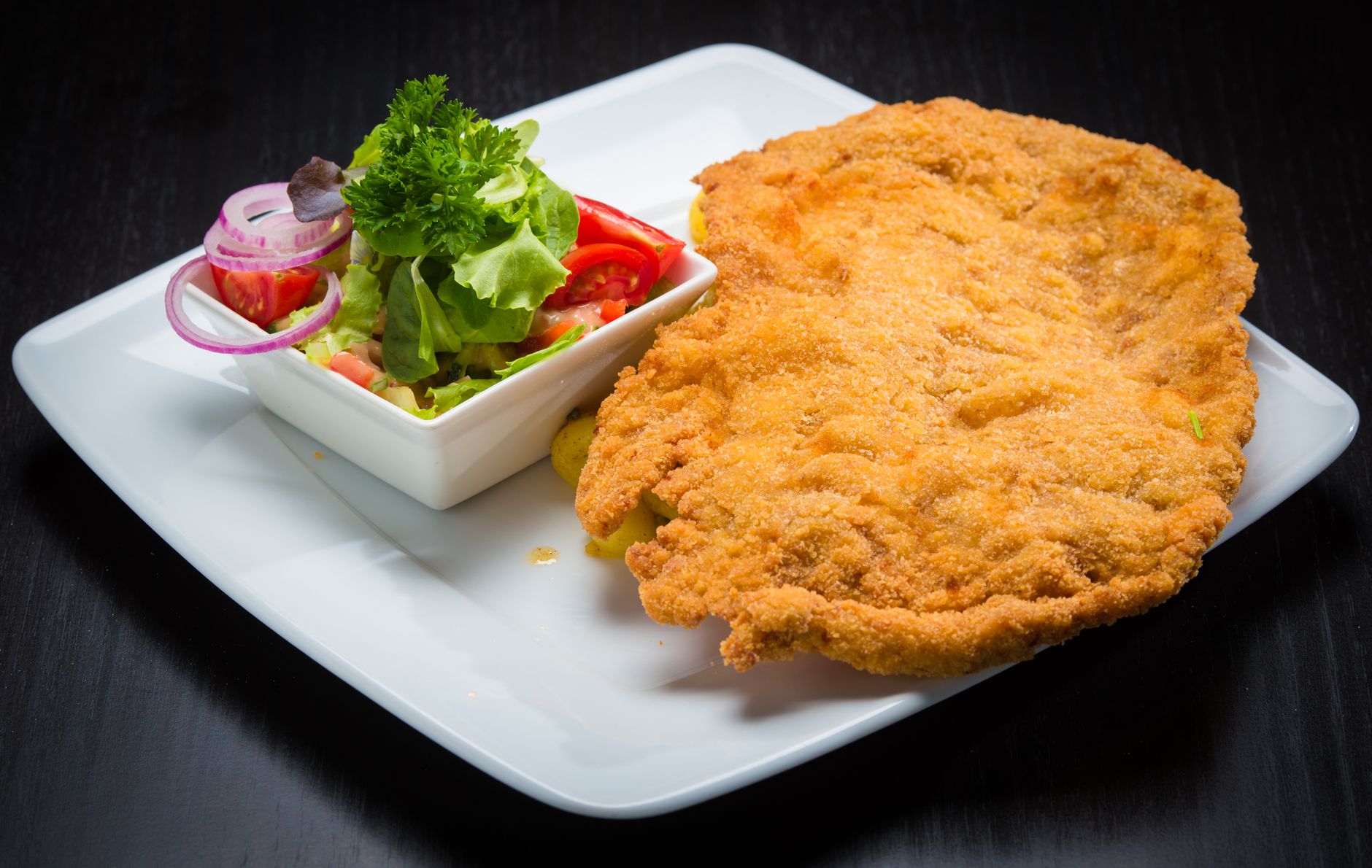
Milanesa, a popular dish in various Latin American countries, is often described as a breaded and fried meat cutlet. Although its translation in English is simply “breaded meat,” the flavors and textures of Milanesa make it a beloved comfort food for many. Understanding its origins, variations, and cooking techniques can enhance your culinary experience with this delectable dish.
This article will explore what Milanesa is in English, its rich history, traditional methods of preparation, and popular variations. Whether you’re eager to make it at home or simply learn more about this beloved dish, read on to discover everything you need to know about Milanesa.
What Is Milanesa In English?
The term “Milanesa” directly translates to “breaded meat” in English. This dish typically consists of thinly sliced meat—usually beef, chicken, or pork—coated in breadcrumbs and fried until golden brown. Originating in Italy, it has evolved into a beloved staple in various Latin American cuisines, particularly in Argentina and Uruguay.
The Origins and History of Milanesa
Milanesa has its roots in the Italian dish “Cotoletta alla Milanese,” a breaded veal cutlet that hails from the city of Milan. Italian immigrants brought this culinary tradition to South America in the late 19th and early 20th centuries.
Over time, the dish adapted to local tastes and ingredients, resulting in variations unique to each country. In Argentina, for example, the Milanesa is often served with mashed potatoes, while in Mexico, it might be paired with salsa and used in tortas or burritos. Despite these variations, the fundamental preparation of Milanesa remains consistent across regions, highlighting its universal appeal.
Traditional Preparation Methods
Making Milanesa at home can be straightforward, but it involves specific techniques to achieve the perfect result. Here’s a breakdown of the traditional preparation process:
Ingredients Needed for Milanesa
- Meat: Generally, beef, chicken, or pork
- Breadcrumbs: For coating
- Eggs: To help the crumbs adhere
- Garlic and onion powder: For extra flavor (optional)
- Salt and pepper: For seasoning
- Oil: For frying (vegetable or canola oil works well)
Essential Equipment
- Meat mallet or rolling pin (for flattening the meat)
- Shallow dishes (for eggs and breadcrumbs)
- Non-stick frying pan or skillet
- Cooking thermometer (to ensure proper doneness)
- Paper towels (for draining excess oil)
Step-by-Step Preparation of Milanesa
- Begin by preparing the meat. Use a meat mallet or rolling pin to gently pound the meat to an even thickness of about 1/4 inch. This step ensures the meat cooks evenly and remains tender.
- In a shallow dish, beat the eggs and season with salt and pepper. You may also add garlic and onion powder for added flavor.
- Place breadcrumbs in another shallow dish. You can use store-bought breadcrumbs or make your own by processing stale bread in a food processor.
- Season the meat with salt and pepper on both sides. Dip each piece into the egg mixture, allowing any excess to drip off.
- Next, dredge the meat in the breadcrumbs, pressing down gently to ensure an even coating.
- Heat oil in a frying pan over medium-high heat. You’ll need enough oil to cover the bottom of the pan generously—but not deep-fry the meat.
- Once the oil is hot, carefully add the breaded meat to the pan. Fry for about 3 to 4 minutes on each side, or until the breading is golden brown and crispy, and the meat is cooked through.
- Using a cooking thermometer, ensure the internal temperature of chicken reaches 165°F (74°C) and beef or pork reaches at least 145°F (63°C).
- Transfer the cooked Milanesa to a plate lined with paper towels to absorb any excess oil before serving.
Popular Variations of Milanesa
Milanesa has numerous variations that reflect the culinary diversity across regions. Here are some noteworthy examples:
1. Milanesa a la Napolitana
This Argentine variation involves adding ham and cheese on top of the breaded meat before briefly baking it. The result is a deliciously melty and savory dish that elevates the classic Milanesa.
2. Milanesa de Pollo
This version uses chicken breasts instead of beef or pork. The preparation remains largely the same, and it is a popular option for those who prefer lighter meats.
3. Milanesa a la Mexicana
In Mexico, Milanesa is often served with salsa or guacamole, sometimes even as a taco filling. The meat is usually marinated before breading, adding more flavor and depth to the dish.
4. Vegetarian and Vegan Milanesa
To cater to vegetarian or vegan diets, you can use eggplant or zucchini slices as the base instead of meat. Prepare them in the same manner, and the result is a delicious plant-based alternative.
Serving Suggestions and Sides
Milanesa is incredibly versatile and pairs well with a variety of side dishes. Common accompaniments include:
- Mashed potatoes or potato salad
- Rice or quinoa
- Pickled vegetables or salad
- Traditional sauces, like chimichurri or salsa
Consider stacking a couple of Milanesa cutlets on a plate and serving them alongside fresh salad greens dressed with a light vinaigrette for a delightful balanced meal. The crispy texture of the Milanesa contrasts beautifully with the freshness of the salad.
Creative Variations and Ingredient Substitutions
If you’re looking to put a creative spin on Milanesa, consider these variations and substitutions:
Flour Coating
Instead of breadcrumbs, you can use flour or a mixture of flour and cornstarch for a different texture. This will lead to a less crispy but still deliciously fried cutlet.
Seasoning Mixes
Experiment with different herbs and spices in your breadcrumb mixture. Common additions may include paprika, Italian seasoning, or even cayenne pepper for a spicy kick.
Alternative Meats
Beyond the traditional choices, consider using turkey cutlets or lamb. Each alternative will impart distinct flavors, making Milanesa unique.
Gluten-Free Options
If you require a gluten-free alternative, opt for gluten-free breadcrumbs or crushed cornflakes for coating. This allows you to enjoy Milanesa while adhering to dietary restrictions.
Common Mistakes and Troubleshooting
Preparing Milanesa can be simple, but there are a few common pitfalls to avoid:
- Incorrect Oil Temperature: If the oil isn’t hot enough, the meat will absorb too much oil and become greasy. Conversely, if the oil is too hot, it may burn the breadcrumbs before the meat is cooked through.
- Skipping the Pounding Step: Not flattening the meat will result in uneven cooking. Take the time to pound the meat to ensure even thickness.
- Insufficient Seasoning: Adding enough seasoning to both the meat and the breadcrumb coating is key to a flavorful dish. Don’t be afraid to season at every stage, from marinating to breading.
Storage and Reheating Guidance
If you find yourself with leftover Milanesa, here are some pointers for storage and reheating:
- Store leftovers in an airtight container in the refrigerator for up to 3 days.
- To reheat, place the Milanesa in a preheated oven at 350°F (175°C) for 10-15 minutes until warmed through and crispy.
- Avoid microwaving, as it can lead to a soggy texture.
Final Thoughts
Milanesa is not just a simple breaded meat dish; it tells the story of culinary adaptation and fusion. From its Italian origins to its vibrant presence in Latin American cuisine, Milanesa continues to delight palates around the world. Whether you enjoy it with traditional sides or a unique twist, this dish is sure to be a crowd-pleaser at any table.
If you’re interested in trying out some delightful variations, consider exploring these recipes for pork cutlets and chicken cutlets for a broader take on cutlet preparations. Enjoy your culinary adventures with Milanesa!