
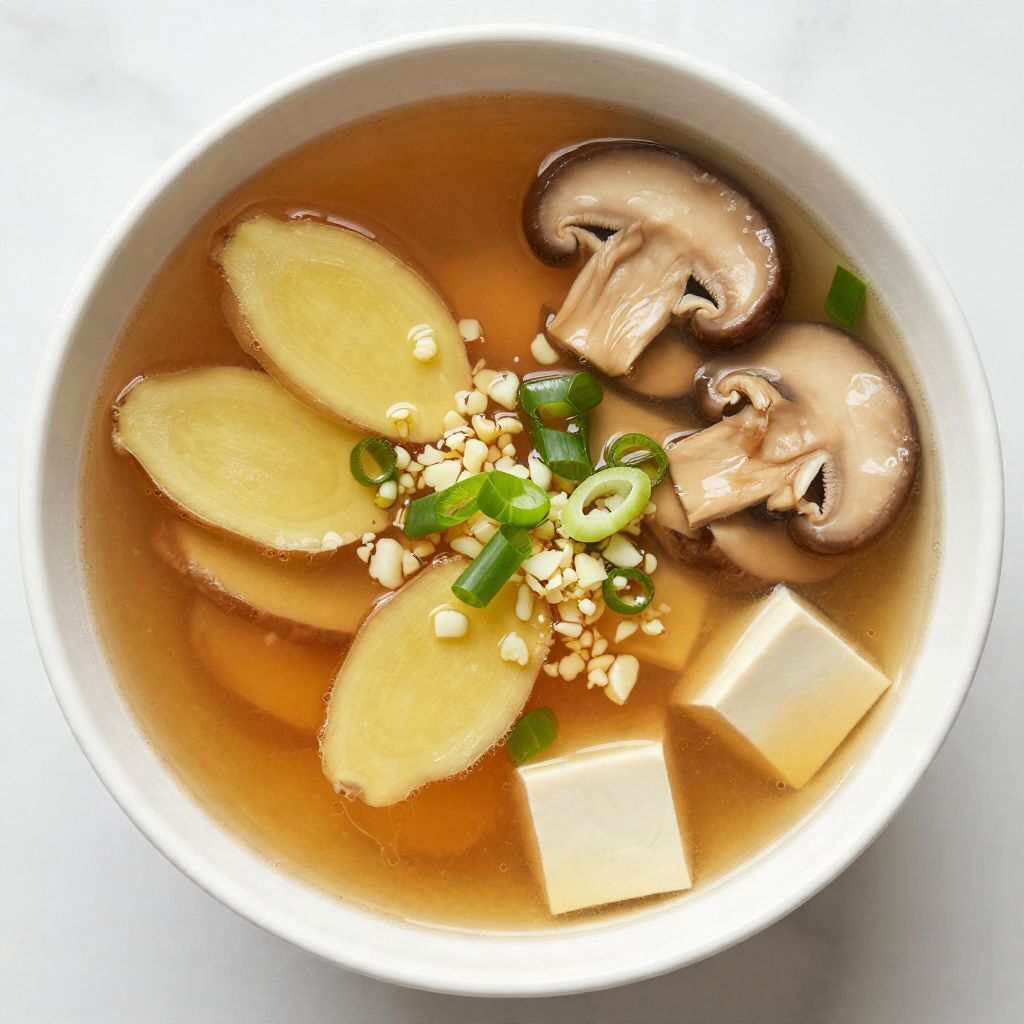
There’s something undeniably soothing about a warm bowl of Miso Broth on a chilly evening. This recipe is special because it captures the umami essence of miso and offers a depth of flavor that’s rich yet comforting.
With its silky texture and versatility, miso broth can stand alone or serve as a base for your favorite noodles and vegetables. Let’s get started so you can experience the magic of this nourishing broth!
Why You’ll Love This Recipe
This Miso Broth is your new best friend in the kitchen. Its rich flavor and simplicity make it a must-try!
- Quick to prepare, perfect for busy evenings.
- Versatile base for soups, ramen, or stir-fries.
- Packed with umami, offering a unique taste experience.
- Healthy and nourishing, great for wellness.
My Experience Making This Recipe
Every time I make this broth, the aroma fills my kitchen with warmth, instantly brightening my mood. It’s hard not to feel cozy as you stir in the miso, watching it dissolve into a beautiful, golden hue.
When I first served it to friends, their eyes lit up at the first sip. They were surprised at how such a simple recipe could deliver such complex flavors.
Recipe Overview
- Recipe Name: Miso Broth
- Servings: 4
- Prep Time: 10 minutes
- Cook Time: 10 minutes
- Total Time: 20 minutes
- Course: Soup
- Cuisine: Japanese
- Calories per Serving: 80
Equipment You Will Need
- Medium-sized pot
- Whisk
- Measuring cups and spoons
- Cutting board
- Knife
Ingredients for Miso Broth
- 4 cups vegetable broth
- 1/4 cup miso paste (white or yellow)
- 2 tablespoons soy sauce
- 1 tablespoon sesame oil
- 1 green onion, sliced
- 1 inch ginger, sliced
- 1 clove garlic, minced
- Optional: sliced mushrooms, tofu, or seaweed for serving
Ingredient Notes and Substitutions
- Miso paste: This gives the broth its signature flavor. You can substitute with tahini for a different taste, but it won’t be as authentic.
- Soy sauce: Adds saltiness and depth. Tamari is a great gluten-free alternative.
- Sesame oil: Provides a nutty flavor. You can use olive oil if needed, but it changes the profile slightly.
- Vegetable broth: A base for the broth. Chicken broth can be used for non-vegetarians.
How to Make Miso Broth
Step 1: Prepare the Ingredients
Gather all your ingredients and chop the green onion, ginger, and garlic. Having everything ready makes cooking smoother.
Step 2: Heat the Broth
In a medium-sized pot, pour in the vegetable broth and bring it to a simmer over medium heat. This helps to extract flavors from the added ingredients later.
Step 3: Add Aromatics
Add the sliced ginger and minced garlic to the simmering broth. These aromatics will infuse the broth with warmth and depth.
Step 4: Stir in Miso Paste
In a small bowl, mix the miso paste with a bit of the hot broth to create a slurry. This prevents clumps and ensures it dissolves smoothly.
Step 5: Incorporate the Miso
Stir the miso slurry back into the pot. The rich taste of miso is what makes this broth truly special.
Step 6: Add Soy Sauce and Sesame Oil
Pour in the soy sauce and sesame oil, giving it a good stir. These ingredients enhance the umami flavor, adding complexity.
Step 7: Simmer
Let the broth simmer for an additional 5 minutes. This allows the flavors to meld beautifully together.
Step 8: Serve and Garnish
Remove from heat and strain out ginger slices if desired. Serve hot, garnished with sliced green onions and any optional toppings like mushrooms or tofu.
Pro Tip: Always dissolve miso in a small amount of broth before adding it to avoid clumps.
Tips for the Best Miso Broth
- Use fresh ingredients for a vibrant flavor.
- Keep the heat moderate to avoid boiling the miso, which can alter its taste.
- Experiment with different types of miso for unique flavor profiles.
- Adjust the seasoning to your preference; add more soy sauce for saltiness.
- Don’t skimp on garnishes; they elevate the dish tremendously.
Common Mistakes to Avoid
- Boiling the broth after adding miso; it can make the flavors bitter.
- Not whisking miso well enough; this leads to clumps.
- Skipping the aromatics; they are key for flavor depth.
- Overcooking the broth; it should simmer, not boil.
Serving Suggestions
This broth pairs beautifully with various dishes, making it incredibly versatile.
- Serve with noodles for a heartier meal.
- Top with tofu and veggies for a wholesome option.
- Pair it with sushi for a complete Japanese dining experience.
- Enjoy alongside a fresh salad to balance the flavors.
Variations to Try
- Add miso-glazed vegetables for extra flavor and nutrition.
- Incorporate different proteins like chicken or shrimp for non-vegetarians.
- Include a splash of lime juice for a zesty twist.
- Try adding chili flakes for a spicy kick.
Dietary Adaptations
- Gluten-free: Use tamari instead of soy sauce.
- Dairy-free: This recipe is naturally dairy-free.
- Vegan: Ensure the broth and miso are vegan-friendly.
- Low-carb/keto: Skip the noodles and focus on veggies and protein.
Storage and Reheating
Refrigerator
Store leftover broth in an airtight container for up to 3 days.
- Let it cool before sealing to avoid condensation.
Freezer
This broth freezes well for up to a month.
- Use freezer-safe containers or bags for best results.
Reheating
Reheat on the stove over low heat, stirring occasionally.
- Microwave is an option, but watch it closely to avoid boiling.
Nutrition Information
| Nutrient | Amount |
|---|---|
| Calories | 80 |
| Total Fat | 4g |
| Saturated Fat | 0.5g |
| Carbohydrates | 7g |
| Fiber | 1g |
| Sugar | 1g |
| Protein | 6g |
| Sodium | 800mg |
| Cholesterol | 0mg |
This information may vary based on specific ingredient brands and measurements used.
Frequently Asked Questions
Can I substitute miso paste?
You can use tahini or nut butter for a different taste, but it won’t be the same.
Can I make this broth ahead of time?
Absolutely! It keeps well in the fridge for a few days or can be frozen for longer storage.
What if my broth is too salty?
Add more water or unsalted broth to dilute it, adjusting to your taste.
How can I thicken the broth?
Adding a cornstarch slurry can give the broth a thicker consistency.
Can I use this broth for ramen?
Yes, this broth makes a fantastic base for ramen; just add your favorite noodles and toppings.
Final Thoughts
Making Miso Broth is a delightful way to warm your soul and nourish your body. I hope you give it a try and enjoy every comforting sip.
If you’re interested in other delicious recipes, check out my creamy ramen recipe or learn how to make a rich chicken stock for even more flavor options!
Miso Broth
Ingredients
Equipment
Method
- Gather all your ingredients and chop the green onion, ginger, and garlic.
- In a medium-sized pot, pour in the vegetable broth and bring it to a simmer over medium heat.
- Add the sliced ginger and minced garlic to the simmering broth.
- In a small bowl, mix the miso paste with a bit of the hot broth to create a slurry.
- Stir the miso slurry back into the pot.
- Pour in the soy sauce and sesame oil, giving it a good stir.
- Let the broth simmer for an additional 5 minutes.
- Remove from heat and strain out ginger slices if desired. Serve hot, garnished with sliced green onions and any optional toppings.