
When it comes to cheese, many consumers often find themselves confused by the various types and their names. This confusion is particularly prevalent with Romano and Pecorino Romano. While they might sound alike and share some similarities, they are, in fact, quite different. This article explores the distinctions between Romano and Pecorino Romano, helping you understand when and how to use each type effectively in your cooking.
Understanding these differences can enhance your culinary experience, allowing you to make informed choices about which cheese to incorporate into your dishes. From their flavor profiles to their culinary applications, let’s dive deeper into what sets these cheeses apart.
Is Romano The Same As Pecorino Romano?
No, Romano and Pecorino Romano are not the same. Romano generally refers to a family of cheeses that can be made from different types of milk, whereas Pecorino Romano specifically refers to a cheese made from sheep’s milk that is produced in the Lazio region of Italy. Each has its own distinct flavor, texture, and culinary uses.
What is Romano Cheese?
Romano cheese is a semi-hard to hard cheese that can be made from varying types of milk: cow, sheep, or goat. Originating from Italy, various regions produce their versions of Romano cheese, resulting in subtle flavor differences. Typically, it has a salty and tangy flavor profile that packs a punch, making it an excellent grating cheese for many Italian dishes.
Types of Romano Cheese
There are several types of Romano cheese, predominantly classified by the type of milk used:
- Romano di Montagna: Made from a mix of cow and goat milk, originating from mountainous regions.
- Caprino Romano: A version produced primarily from goat’s milk, known for its distinctive tanginess.
- Vaccino Romano: This variant is made from cow’s milk, which results in a milder flavor compared to sheep’s milk cheeses.
What is Pecorino Romano?
Pecorino Romano is a specific type of Romano cheese that is strictly made from sheep’s milk. This cheese is aged for a minimum of five months and is known for its firm texture and bold, salty flavor. Pecorino Romano enjoys protected designation of origin (PDO) status, meaning it must be produced in certain regions of Italy, specifically Lazio and Sardinia, to be labeled as such.
Flavor Profile and Uses
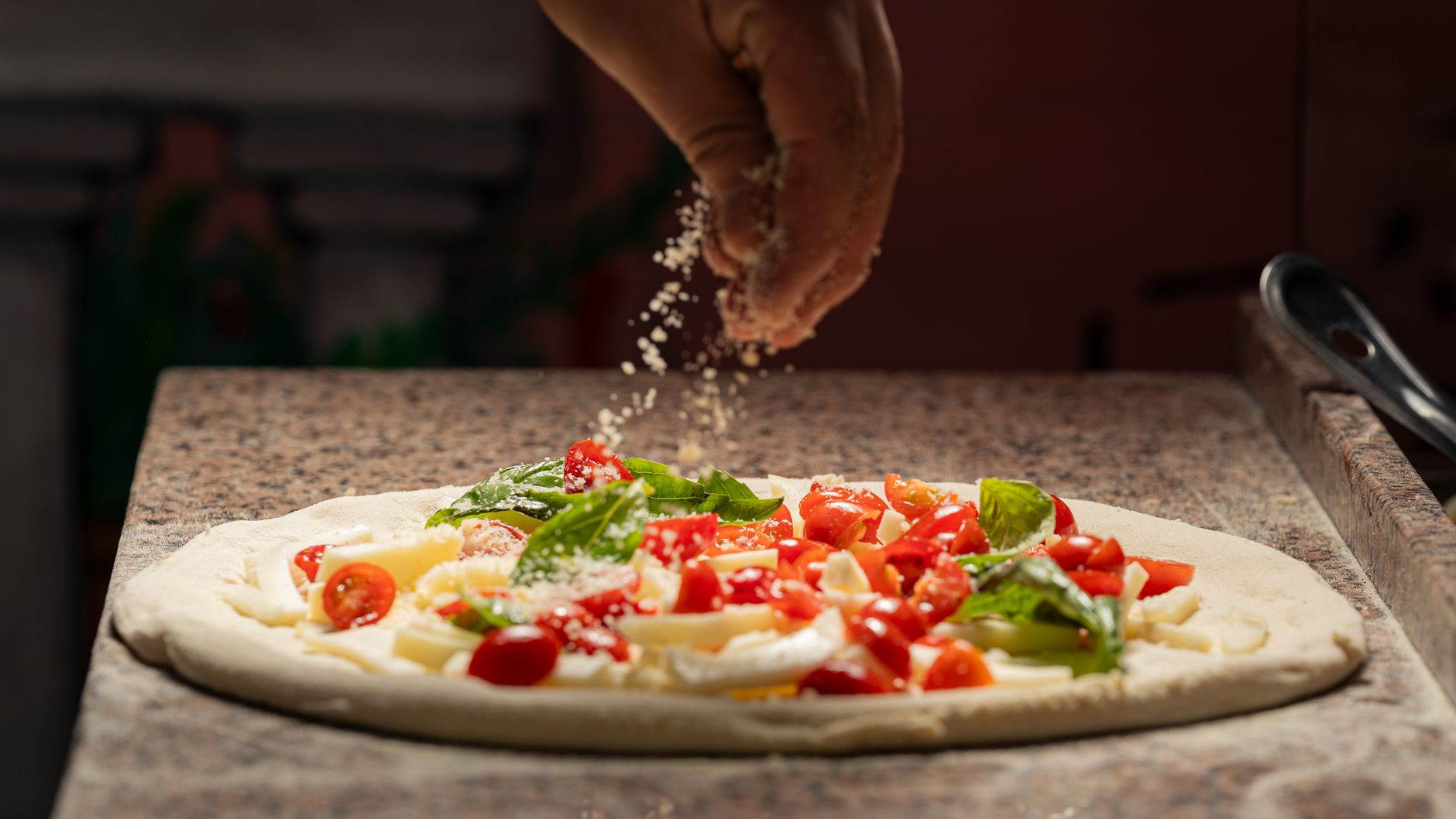
Pecorino Romano is characterized by its sharp, salty flavor, with earthy undertones. It is a staple in Italian cuisines, often used as a grating cheese over pasta dishes like Cacio e Pepe and Carbonara. Its robust flavor enhances a wide variety of meals, adding depth to salads, soups, and vegetable dishes.
The Key Differences
While both Romano and Pecorino Romano can often be used in similar culinary applications, several key differences set them apart:
1. Milk Source
The most significant difference lies in the milk used: Romano can be made from cow, goat, or sheep’s milk, whereas Pecorino Romano must be made exclusively from sheep’s milk.
2. Flavor and Texture
Pecorino Romano has a sharper, saltier flavor compared to other types of Romano. The use of sheep’s milk contributes to its bold taste and denotes its particular identity. Texture-wise, both varieties can be similarly firm, but Pecorino tends to be more crumbly due to its aging process.
3. Geographic Origin
Pecorino Romano has a defined geographic origin, being made specifically in certain regions of Italy, including Lazio and Sardinia. Other forms of Romano cheese do not have such restrictions and can be produced elsewhere, including in the United States.
Comparing Flavor Profiles
Understanding the flavor differences can help you decide which cheese to use in specific recipes. Romano, particularly when made from cow’s milk, has a milder flavor accustomed for a variety of dishes. On the other hand, Pecorino Romano, with its intense and piquant taste, works best in dishes that require a more assertive cheese element.
How to Use Each Cheese
Here’s a breakdown of how you can utilize Romano and Pecorino Romano in your cooking:
Romano Cheese
- Add Romano to sauces for a rich flavor base.
- Use it as a topping for salads or roasted vegetables for added texture and taste.
- Incorporate into pasta fillings for enhanced flavor without overpowering other ingredients.
Pecorino Romano
- Grate Pecorino Romano over pasta dishes for a classic Italian finish.
- Mix into risottos for a savory depth.
- Sprinkle over roasted meats and vegetables to elevate their flavor.
Substituting Romano and Pecorino Romano
In recipes calling for these cheeses, substituting one for the other can work, but it will alter the dish’s overall flavor. Here are some points to consider for substitutions:
Substituting Romano for Pecorino Romano
If you use Romano in place of Pecorino Romano, expect a milder flavor. You may want to adjust the salt in the recipe to account for the inherent saltiness of Pecorino. This substitution works well in pasta dishes and salads.
Substituting Pecorino Romano for Romano
When substituting Pecorino Romano for other Romano varieties, keep in mind the intense flavor. You may want to reduce the quantity to avoid overwhelming the dish. This change is particularly useful in robust sauces where the flavor needs to stand out.
Storage and Shelf Life
Proper storage of both cheeses will ensure their freshness and quality:
Storage Tips
- Keep both Romano and Pecorino Romano refrigerated, wrapped tightly in plastic wrap or in an airtight container to prevent them from drying out.
- Avoid storing them near strong-smelling foods, as they can absorb odors.
Shelf Life
Both types of cheese can last several months in the refrigerator when stored correctly. However, it’s best to consume them within a few weeks of opening for optimal flavor and texture. Always inspect for any mold that isn’t part of the cheese before use.
Common Mistakes to Avoid
When using Romano and Pecorino Romano, it’s easy to make some common errors:
Overuse
Both cheeses are strong in flavor, so it’s essential to use them sparingly to avoid overpowering your dishes. Start with a little and add more as necessary.
Incorrect Substitutes
Not all cheeses can be substituted for Romano and Pecorino Romano. Cheeses that are creamier and less salty, such as mozzarella or cream cheese, will not provide the same flavor profile. Stick to hard cheeses when seeking alternatives.
Conclusion
Understanding the differences between Romano and Pecorino Romano is crucial for any home cook. While they may share the “Romano” name, their distinct flavors, textures, and culinary uses can greatly affect your dishes. Whether you choose to incorporate Romano’s versatility or the sharpness of Pecorino Romano, both cheeses can elevate your cooking in unique ways. Experimenting with these cheeses will enhance your dishes and broaden your culinary repertoire.
For further exploration, consider looking into various cheese pairings, cooking techniques, or ingredient substitutions to enhance your meals. Understanding these options can lead to delicious discoveries in the kitchen.