
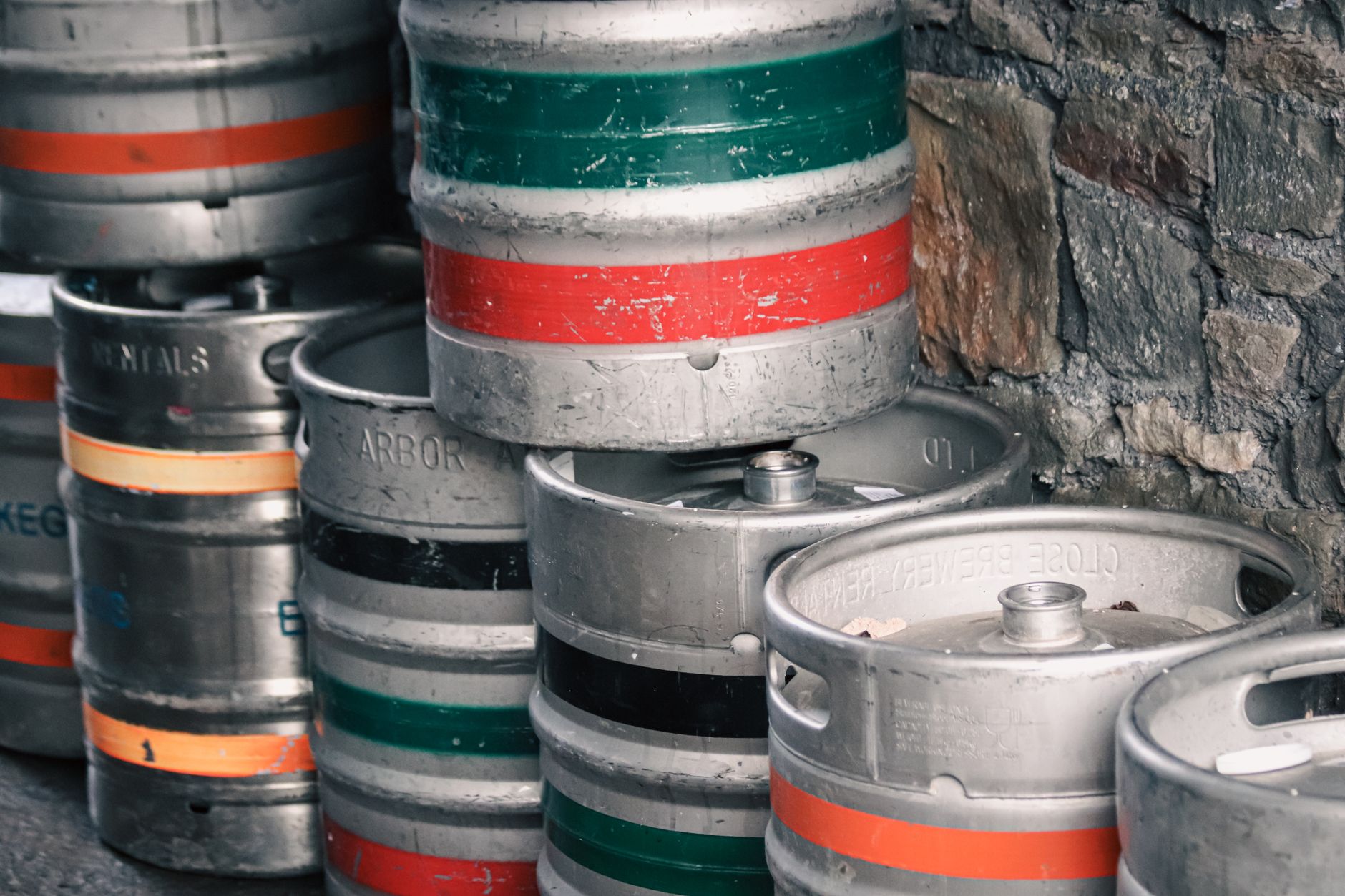
Understanding how much beer you can expect from a keg is essential for planning events, parties, or even for personal consumption. The quantity of beer in a keg can greatly influence decisions around purchasing, serving, and how long the beer will last. In this article, we’ll delve into the various keg sizes and the corresponding amounts of beer they contain.
The standard keg size can vary; this article will cover the most common types: the half-barrel keg, quarter-barrel keg, sixth-barrel keg, and mini-kegs. We’ll also explore conversions to ounces, pints, and gallons, ensuring you have all the information you need for your next event.
How Many Ounces of Beer Are in a Keg?
The amount of beer in a keg depends on its size. Here’s a breakdown of the most common keg sizes and the number of ounces they hold:
- Half-Barrel Keg: 15.5 gallons or 1,984 ounces
- Quarter-Barrel Keg (Pony Keg): 7.75 gallons or 992 ounces
- Sixth-Barrel Keg: 5.16 gallons or 661 ounces
- Mini Keg: 1.32 gallons or 169 ounces
Breaking Down the Keg Sizes
To better understand which keg might be appropriate for your needs, let’s explore each type in more detail, including the number of servings you can expect and common uses for each keg size.
Half-Barrel Keg
The half-barrel keg is the most common size used in commercial settings, particularly at bars and restaurants. It holds approximately 15.5 gallons of beer, which translates to:
- 1,984 ounces
- Approximately 165 12-ounce servings
- 124 16-ounce pints
This keg is ideal for large gatherings, such as parties, weddings, or sporting events where significant quantities of beer will be consumed.
Quarter-Barrel Keg
Also known as a pony keg, the quarter-barrel keg holds 7.75 gallons of beer. In terms of ounces, this is:
- 992 ounces
- Approximately 82 12-ounce servings
- 62 16-ounce pints
This keg is often used for smaller gatherings or events where you want a variety of beers available without purchasing too much. It’s also popular for home refrigeration.
Sixth-Barrel Keg
The sixth-barrel keg, often referred to as a sixtel, has a capacity of 5.16 gallons. It equates to:
- 661 ounces
- Approximately 55 12-ounce servings
- 41 16-ounce pints
This size is ideal for craft beer lovers wanting to sample various styles without committing to a full-sized keg and is increasingly popular at smaller events.
Mini Keg
The mini keg is typically used for home consumption or small parties, holding just 1.32 gallons. This size provides:
- 169 ounces
- Approximately 14 12-ounce servings
- 10 16-ounce pints
Mini kegs are convenient for home use and can fit easily in a refrigerator, making them perfect for smaller gatherings.
Understanding Beer Conversion: Ounces, Pints, and Gallons
When planning your event, it’s essential not only to know how many ounces are in a keg but also to convert those ounces into more familiar serving sizes. Below is a quick reference guide to help you:
| Measurement | Equivalent in Ounces |
|---|---|
| 12-ounce (standard beer can) | 12 |
| 16-ounce pint | 16 |
| 1 gallon | 128 |
| 1.5 pints | 24 |
How to Calculate the Right Amount of Beer for Your Event
Calculating how much beer to buy for your event can seem daunting. However, a straightforward method can ensure you purchase the right keg size:
- Estimate Your Guests: Determine how many people you expect at your event.
- Estimate Consumption: As a rule of thumb, guests typically consume about 1 drink per hour. For a 4-hour event, plan for 4 beers per guest.
- Calculate Total Drinks: Multiply the number of guests by the estimated number of drinks.
- Determine Keg Size: Divide the total number of drinks by the number of servings in a keg. This will tell you how many kegs you will need.
As an example: If you have 50 guests for a four-hour party, they may consume approximately 200 drinks (50 guests x 4 beers). If you opt for half-barrel kegs, you would need one keg:
1 keg (165 servings) is enough for your event, leaving room for extra drinks.
What Else to Consider When Choosing a Keg
While the size of the keg is crucial, several other factors might influence your decision. Here are some additional considerations:
- Beer Type: Different beers have different flavor profiles, alcohol content, and popularity. Popular choices include lagers, IPAs, and stouts.
- Serving Equipment: Ensure you have the appropriate dispensing equipment for the keg size, such as a tap or keg coupler.
- Cooling and Storage: Consider where you’ll store and serve the keg. Kegs need to be chilled before serving to maintain optimal flavor and carbonation.
- Leftovers: Think about the likelihood of leftover beer and whether you have the means to store it after the event.
Keg Storage and Serving Tips
Proper storage and serving techniques will enhance the quality of the beer you serve. Here are some best practices:
- Keep It Cold: Beer should ideally be served at a consistently cool temperature between 34°F and 40°F. Use a kegerator or place the keg in an ice bath if you don’t have refrigeration.
- Purge the Keg: If you have a keg that’s been opened, drain and purge it of residual pressure to slow carbonation loss.
- Serve with Care: When pouring, hold the glass at a 45-degree angle. Allow the beer to flow gently to generate a moderate head. Once the glass is half full, straighten it to fill.
Common Mistakes to Avoid
When purchasing and serving beer from a keg, certain errors can lead to wasted beer or poor presentation. Here’s a list of common mistakes along with solutions to avoid them:
- Not Testing the Scale: Ensure your tap system is functioning correctly before the event. Test pour a few ounces to avoid issues at serving time.
- Choosing the Wrong Size: Overestimating or underestimating your keg size based on guest count can leave you with too much or too little beer.
- Poor Temperature Control: Warm beer does not taste as good. Ensure your keg is stored at the right temperature before serving.
- Neglecting Cleaning: Always clean your taps and hoses after each keg change to prevent flavor contamination.
Summary
Understanding how many ounces of beer are in a keg can make a world of difference for your next gathering. By selecting the right keg size based on your guest estimate and knowing the necessary serving conversions, you can streamline planning and enhance everyone’s experience.
For your next step, consider which keg size best fits your plans, review our tips for serving and storing beer, and feel confident in your choices for delivering quality beverages at your event.
Explore related recipes, cooking tips, and food guides for further inspiration: try your hand at beer can chicken, or discover quick beer snacks. Your next gathering is bound to impress!