
Picture a bustling kitchen where the aroma of sautéed garlic and vibrant vegetables fills the air. The Korean Cabbage Recipe is a delightful blend of flavors and textures that will transport you straight to your favorite Korean eatery, all from the comfort of your home.
This dish is not only quick to prepare but also incredibly versatile, making it a fantastic side or even a main course. With its tender cabbage, savory seasonings, and a touch of spice, it’s bound to become a regular in your meal rotation.
Why You’ll Love This Recipe
This recipe is a crowd-pleaser that everyone can enjoy. You will appreciate its delicious simplicity.
- Quick and easy to make.
- Full of flavor with minimal ingredients.
- Healthy and low in calories.
- Perfect as a side or a main dish.
- Customizable to suit your taste.
My Experience Making This Recipe
When I first tried this recipe, I was amazed by how a few simple ingredients could create such a rich flavor. The crispness of the cabbage paired with the aromatic spices made it a hit at dinner.
Each bite brought a delightful crunch, and my family couldn’t get enough. It has quickly become one of our favorites, and I love how easy it is to whip up any night of the week.
Recipe Overview
- Recipe Name: Korean Cabbage Recipe
- Servings: 4
- Prep Time: 10 minutes
- Cook Time: 15 minutes
- Total Time: 25 minutes
- Course: Side Dish
- Cuisine: Korean
- Calories per Serving: 80
Equipment You Will Need
- Large skillet or wok
- Cutting board
- Sharp knife
- Measuring cups and spoons
- Wooden spoon or spatula
Ingredients for Korean Cabbage Recipe
- 1 medium head of cabbage, chopped
- 2 tablespoons vegetable oil
- 4 cloves garlic, minced
- 1 teaspoon ginger, grated
- 2 tablespoons soy sauce
- 1 tablespoon gochujang (Korean chili paste)
- 1 tablespoon sesame oil
- 1 teaspoon sesame seeds, toasted
- Salt and pepper to taste
Ingredient Notes and Substitutions
- Cabbage: Used for its crisp texture and mild flavor. You can substitute with bok choy or napa cabbage.
- Vegetable oil: Ideal for high-heat cooking. Can be replaced with canola or sesame oil.
- Gochujang: Adds heat and depth. If unavailable, use sriracha or chili flakes as a substitute.
- Sesame oil: Provides a nutty flavor. Olive oil can work in a pinch, but the taste will differ.
How to Make Korean Cabbage Recipe
Step 1: Prepare the Cabbage
Start by chopping the cabbage into bite-sized pieces. This helps it cook evenly and makes it easier to eat.
Step 2: Heat the Oil
In a large skillet or wok, heat the vegetable oil over medium-high heat. The oil needs to be hot enough to sauté the garlic without burning it.
Step 3: Sauté Garlic and Ginger
Add the minced garlic and grated ginger to the skillet. Sauté for about 30 seconds until fragrant, stirring constantly to prevent burning.
Step 4: Add Cabbage
Stir in the chopped cabbage, tossing it well to coat in the oil and spices. This will help the cabbage absorb all those delicious flavors.
Step 5: Season with Soy Sauce and Gochujang
Pour in the soy sauce and add gochujang. Stir well to ensure every piece of cabbage is nicely coated.
Step 6: Cook Until Tender
Continue to cook for about 5 to 7 minutes, stirring occasionally. You want the cabbage to be tender yet still have a slight crunch for texture.
Step 7: Add Sesame Oil and Seeds
Drizzle the sesame oil over the cooked cabbage and sprinkle with toasted sesame seeds. This adds a lovely aroma and depth of flavor.
Step 8: Taste and Adjust Seasoning
Finally, taste your dish and adjust the salt and pepper if necessary. This final touch ensures the flavors are just right.
Pro Tip: Always taste as you go; adjusting seasonings at the end can make a world of difference!
Tips for the Best Korean Cabbage Recipe
- Use fresh cabbage for the best flavor and texture.
- Don’t skip the ginger; it adds a nice warmth to the dish.
- Feel free to add other veggies like carrots or bell peppers for extra color.
- Adjust the gochujang to your spice preference; you can always add more!
- Serve warm for the best taste experience.
Common Mistakes to Avoid
- Overcooking the cabbage will make it mushy instead of retaining its crunch.
- Not tasting during cooking can lead to bland flavors; always check seasoning.
- Using cold oil can cause the garlic to burn before the cabbage cooks.
- Skipping the sesame oil means missing out on that wonderful nutty flavor.
Serving Suggestions
This dish pairs wonderfully with a variety of mains and sides. Try it alongside grilled meats or rice dishes.
- Served with bulgogi or Korean fried chicken.
- Paired with steamed rice or quinoa for a complete meal.
- Perfect as part of a banchan spread.
- Served with tofu for a vegetarian option.
Variations to Try
- Add sliced mushrooms for an earthy flavor and extra texture.
- Include a bit of chopped scallions for a fresh bite.
- Try using napa cabbage for a slightly sweeter taste.
- Incorporate protein, like shrimp or chicken, for a heartier dish.
Dietary Adaptations
- Gluten-free: Use tamari instead of soy sauce.
- Dairy-free: This recipe is naturally dairy-free.
- Vegan/Vegetarian: Perfect as is; no meat ingredients involved.
- Low-carb/Keto: Enjoy as a low-carb side to any meal.
Storage and Reheating
Refrigerator
Store leftovers in an airtight container in the fridge for up to 3 days.
- Make sure to cool the dish before refrigeration.
Freezer
For longer storage, freeze in a sealed bag for up to 2 months.
- Thaw overnight in the fridge before reheating.
Reheating
Reheat on the stovetop over low heat, adding a splash of water to revive moisture.
- Microwave is also an option; just cover to keep it from drying out.
Nutrition Information
| Nutrient | Amount |
|---|---|
| Calories | 80 |
| Total Fat | 5g |
| Saturated Fat | 0.5g |
| Carbohydrates | 8g |
| Fiber | 3g |
| Sugar | 2g |
| Protein | 2g |
| Sodium | 400mg |
| Cholesterol | 0mg |
This information is approximate and can vary based on specific ingredients used.
Frequently Asked Questions
Can I make this dish ahead of time?
Yes, you can prepare it a day in advance and reheat it when ready to serve.
What can I substitute for gochujang?
If you don’t have gochujang, sriracha or red pepper flakes can work, though the flavor will differ.
How do I store leftovers?
Store any leftovers in an airtight container in the fridge for up to three days.
Why is my cabbage mushy?
If overcooked, cabbage can become mushy; aim for tender yet crisp when cooking.
Can I add meat to this recipe?
Absolutely! You can add cooked chicken, beef, or tofu for extra protein.
Final Thoughts
Trying this Korean Cabbage Recipe will definitely spice up your dinner routine. With its bold flavors and delightful crunch, you’ll be excited to make it again and again.
Don’t forget to explore more beauty and nail-related topics to keep your culinary adventures fresh. Check out these delicious recipes for Napa Cabbage Recipe and Sautéed Cabbage Recipe!
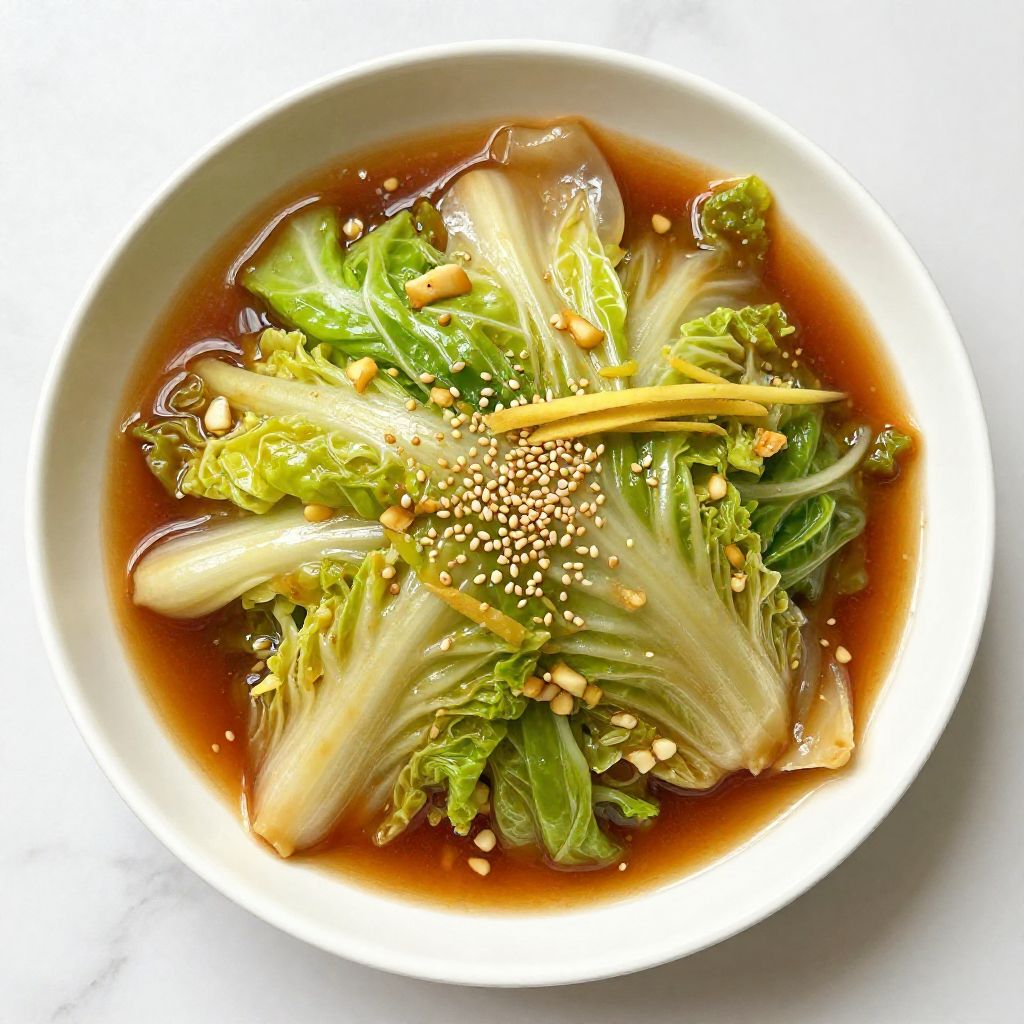
Korean Cabbage Recipe
Ingredients
Equipment
Method
- Chop the cabbage into bite-sized pieces.
- Heat the vegetable oil in a large skillet or wok over medium-high heat until hot.
- Add the minced garlic and grated ginger; sauté for about 30 seconds until fragrant, stirring constantly.
- Stir in the chopped cabbage, tossing to coat with oil and spices.
- Pour in the soy sauce and add the gochujang; stir to coat the cabbage thoroughly.
- Cook for 5 to 7 minutes, stirring occasionally, until the cabbage is tender yet still slightly crisp.
- Drizzle with sesame oil and sprinkle with toasted sesame seeds.
- Season with salt and pepper to taste, adjusting as needed.