
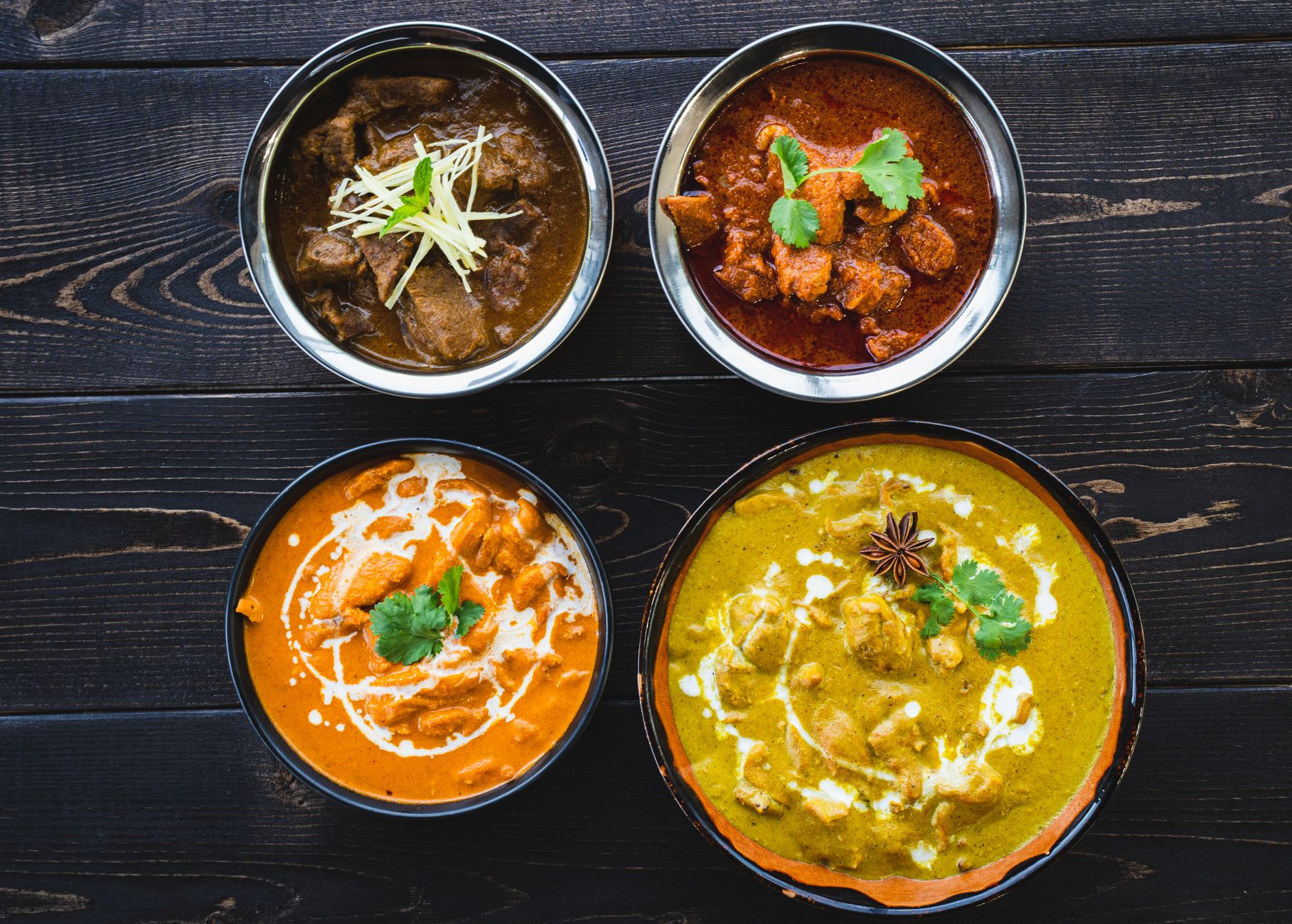
Tikka Masala Sauce is a vibrant and flavorful sauce often associated with Indian cuisine, especially known for its role in the beloved dish Chicken Tikka Masala. This creamy and spiced sauce is rich in taste and offers a unique combination of sweetness, acidity, and warmth. It is a versatile component that can elevate various dishes, making it a staple in many kitchens around the world.
In this guide, we will explore the taste, texture, and kitchen uses of Tikka Masala Sauce, how to prepare it, potential variations, and practical tips for incorporating it into your cooking. By understanding this sauce better, you can create delightful meals that impress your family and friends.
What Is Tikka Masala Sauce?
Tikka Masala Sauce is a creamy tomato-based sauce enriched with spices such as garam masala, cumin, coriander, and turmeric. Its taste profile typically includes a harmonious blend of sweetness from tomatoes and cream, balanced by the aromatic spices. The texture is smooth and velvety, making it suitable for coating various proteins and vegetables.
While Chicken Tikka Masala is the most famous dish that features this sauce, Tikka Masala Sauce can also be used with chickpeas, paneer, or mixed vegetables to create vegetarian or vegan dishes. Its adaptability is one of the reasons it has become favored in many cuisines outside of India.
Ingredients in Tikka Masala Sauce
The primary ingredients in Tikka Masala Sauce are easily accessible and can be found in most grocery stores. Here’s what you will typically need:
- 2 tablespoons vegetable oil or ghee
- 1 large onion, finely chopped
- 3 cloves garlic, minced
- 1 tablespoon fresh ginger, grated
- 2 teaspoons ground cumin
- 2 teaspoons ground coriander
- 1 teaspoon garam masala
- 1 teaspoon turmeric powder
- 1 can (14 oz) crushed tomatoes
- 1 cup heavy cream or coconut milk (for a dairy-free option)
- Salt, to taste
- Fresh cilantro, for garnish
Flavor Profile of Tikka Masala Sauce
The flavor profile of Tikka Masala Sauce is complex yet approachable. The sweetness of tomatoes and cream contrast beautifully with the spices, which provide warmth without overwhelming heat. The various spices, especially garam masala, add aromatic notes, while the creaminess gives the sauce body and richness.
Some notable flavor characteristics include:
- Sweetness: From the tomatoes and cream, which balance the spices.
- Umami: Imparted by the tomatoes, enhancing the overall taste.
- Warmth: Created by the use of spices like cumin and garam masala, contributing depth.
- Acidity: From the tomatoes, which prevents the dish from being overly rich.
Texture of Tikka Masala Sauce
The texture of Tikka Masala Sauce is key to its appeal. It is creamy and smooth, ensuring that it clings well to whatever protein or vegetables it accompanies. This richness makes it perfect for dipping naan or drizzling over rice. The sauce should not be chunky; instead, it should be uniform, creating a luxurious mouthfeel.
How to Make Tikka Masala Sauce
Preparing Tikka Masala Sauce at home is straightforward and requires just a few steps. Here’s a simple method to make about four servings of sauce.
Equipment Needed
- Large skillet or saucepan
- Wooden spoon or spatula
- Measuring cups and spoons
- Blender (if desired for a smoother sauce)
Recipe Method
- In a large skillet or saucepan, heat the vegetable oil or ghee over medium heat.
- Add the finely chopped onion and sauté until it turns soft and translucent, about 5-7 minutes.
- Stir in the minced garlic and grated ginger, cooking for an additional 2 minutes until fragrant.
- Add the ground cumin, coriander, turmeric, and garam masala, stirring frequently for about 1-2 minutes to toast the spices.
- Pour in the crushed tomatoes, stirring well to combine. Boil for about 10 minutes, allowing the sauce to thicken and the flavors to meld.
- Reduce the heat to low and add the heavy cream or coconut milk, mixing until fully incorporated. Simmer for another 5-10 minutes.
- Taste the sauce and season with salt as desired. If you prefer a smoother texture, you can blend the sauce at this stage.
- Remove from heat and garnish with fresh cilantro if desired before serving.
Common Mistakes to Avoid
When making Tikka Masala Sauce, here are some common pitfalls and how to avoid them:
- Overcooking spices: Toasting spices adds flavor, but be cautious not to burn them, as that can lead to a bitter taste. Stir often and remove from heat at the first sign of darkening.
- Under-seasoning: Proper seasoning elevates the sauce. Taste as you go and adjust salt and spices to your preference.
- Too much cream: Adding too much cream can make the sauce overly rich. Start with a small amount and adjust according to your taste.
Variations of Tikka Masala Sauce
Tikka Masala Sauce is incredibly versatile. Here are some variations you can try:
- Vegetarian Tikka Masala: Use paneer or mixed vegetables instead of meat for a vegetarian version.
- Vegan Tikka Masala: Substitute heavy cream with coconut milk or cashew cream, and ensure all spices and oils are plant-based.
- Spicy Tikka Masala: For an extra kick, add chopped green chilies or red chili powder to the sauce.
- Smoke-Infused Tikka Masala: To achieve a smoky flavor, use smoked paprika and consider using a “dhungar” technique (smoking spices over a flame).
Serving Suggestions
Tikka Masala Sauce pairs beautifully with various dishes. Here are some ideas for serving:
- With Proteins: Serve with grilled chicken, lamb, or shrimp marinated in spices and yogurt.
- Vegetarian Options: Pair with browned paneer or sautéed vegetables like bell peppers, zucchini, and spinach.
- With Sides: It goes excellently with basmati rice, naan bread, or roti to soak up the sauce.
Storage and Reheating
Tikka Masala Sauce is perfect for meal prep as it stores well. To refrigerate, allow the sauce to cool completely before transferring it to an airtight container. It can be stored in the refrigerator for up to four days or frozen for up to three months. When reheating, do so gently on the stovetop, adding a splash of water or cream if the sauce thickens too much.
Conclusion
Tikka Masala Sauce is a flavorful addition to various dishes, offering versatility and ease of preparation. Its robust flavor and creamy texture make it a crowd-pleaser worthy of any meal. Whether you use it with chicken, vegetables, or paneer, this sauce will surely elevate your dishes and impress your guests.
If you’re interested in exploring different sauces and recipes, check out our links to learn about a delicious spaghetti sauce recipe or our flavorful marsala sauce recipe for new cooking inspirations.