
The smell of tomatoes simmering on the stove with garlic and olive oil is pure comfort in a pot. Spaghetti sauce with no meat is one of those recipes that proves you don’t need animal protein to create something deeply satisfying and crave-worthy.
This sauce is special because it builds flavor through time and technique rather than relying on ground beef or sausage. You get a rich, velvety texture and complex taste that improves as it sits, making it perfect for weeknight dinners or meal prep.
Whether you’re vegetarian, trying Meatless Monday, or simply want a lighter pasta night, this recipe delivers restaurant-quality results at home. Let’s make something delicious that will have everyone asking for seconds, regardless of what’s (or isn’t) in the pot.
Why You’ll Love This Recipe
This sauce checks all the boxes for a go-to weeknight meal that tastes like you spent hours in the kitchen. The ingredients are simple, the technique is forgiving, and the results are absolutely worth repeating.
- Ready in under an hour with minimal hands-on time
- Naturally vegetarian and easily adaptable to vegan or dairy-free needs
- Freezes beautifully for future meals and improves with reheating
- Works with any pasta shape or even as a base for soups and stews
- Budget-friendly ingredients that deliver big, bold flavor
My Experience Making This Recipe
I first fell in love with this sauce when I realized how much more flavor develops when you skip the meat and focus on layering aromatics and tomatoes properly. The first time I made it, I was skeptical that garlic, onions, and canned tomatoes could carry a whole meal without meat, but the results surprised me in the best way.
The sauce fills your kitchen with an aroma that makes everyone come running to the stove asking when dinner will be ready. I’ve made it for vegetarian friends, picky eaters, and meat-loving family members, and it disappears from the plate every single time.
What I love most is how forgiving this recipe is for busy evenings when you don’t have time to fuss. You can throw it together in ten minutes and let the oven do the heavy lifting while you handle other tasks, and your dinner comes out tasting like it simmered all day.
Recipe Overview
- Recipe Name: Spaghetti Sauce with No Meat
- Servings: 4 to 6 servings
- Prep Time: 15 minutes
- Cook Time: 45 minutes
- Total Time: 60 minutes
- Course: Main Dish
- Cuisine: Italian
- Calories per Serving: 180 calories
Equipment You Will Need
- Large heavy-bottomed pot or Dutch oven
- Wooden spoon for stirring
- Sharp chef’s knife
- Cutting board
- Measuring cups and spoons
- Can opener
- Optional: immersion blender for a smoother sauce
Ingredients for Spaghetti Sauce with No Meat
- Olive oil: 3 tablespoons
- Yellow onion: 1 large, finely diced
- Garlic cloves: 6 cloves, minced
- Canned crushed tomatoes: 28 ounces, one 28-ounce can
- Canned tomato paste: 2 tablespoons
- Dry red wine: 1/2 cup
- Vegetable broth: 1/2 cup
- Dried basil: 2 teaspoons
- Dried oregano: 2 teaspoons
- Salt: 1 teaspoon, adjusted to taste
- Black pepper: 1/2 teaspoon, adjusted to taste
- Sugar: 1 teaspoon, balances acidity
- Red pepper flakes: 1/4 teaspoon, optional heat
- Fresh basil: 1/4 cup, added at the end
- Parmesan cheese: for serving
Ingredient Notes and Substitutions
- Canned crushed tomatoes: These provide the base of your sauce with a consistent texture and flavor year-round. If you prefer a chunkier sauce, use whole peeled tomatoes and crush them by hand, though crushed tomatoes blend more smoothly into a silky sauce.
- Olive oil: Good quality olive oil carries flavor and creates a silky mouthfeel in the finished sauce. You can use regular olive oil if extra virgin seems too expensive, though the flavor won’t be quite as rich.
- Tomato paste: This concentrated ingredient deepens the tomato flavor and adds body to the sauce. If you run out, simmer the sauce uncovered for an extra 15 minutes to reduce and intensify the tomato flavor, though the depth won’t be identical.
- Dry red wine: Wine adds acidity and complexity that lifts the flavors of the tomatoes and herbs. You can replace it with an equal amount of vegetable broth or water if you prefer not to cook with alcohol, but you’ll lose some depth and should add a tablespoon of balsamic vinegar for tartness.
- Fresh basil: Added at the end, fresh basil brightens the sauce with green, peppery notes that complement the cooked aromatics. If fresh basil isn’t available, skip it entirely rather than doubling the dried basil, which can turn bitter when overused.
How to Make Spaghetti Sauce with No Meat
Step 1: Heat the Olive Oil
Pour 3 tablespoons of olive oil into your large pot and place it over medium heat for about one minute. You want the oil to shimmer and feel hot when you hold your hand above it, signaling that it’s ready to cook your aromatics without burning them.
Step 2: Sauté the Onion
Add your diced onion to the hot oil and stir constantly for 5 to 6 minutes until it becomes soft and translucent with golden edges. Onions release their natural sugars when cooked slowly like this, creating a sweet foundation that balances the acidity of the tomatoes later.
Step 3: Add the Garlic
Stir in your minced garlic and cook for about 1 minute, stirring frequently until it becomes fragrant but not brown. Burnt garlic tastes bitter and will ruin the whole sauce, so keep your heat at medium and watch carefully.
Step 4: Add the Tomato Paste
Add 2 tablespoons of tomato paste to the mixture and stir for 1 to 2 minutes, coating everything with the concentrated tomato flavor. This step is called toasting the paste, and it reduces its raw taste and helps it blend smoothly into the sauce instead of sitting in clumps.
Step 5: Deglaze with Wine
Pour in 1/2 cup of dry red wine and use your wooden spoon to scrape up any browned bits stuck to the bottom of the pot. These bits contain intense flavor, and the wine dissolves them into your sauce while the alcohol cooks off in about 2 to 3 minutes of simmering.
Step 6: Add the Tomatoes and Broth
Stir in your 28-ounce can of crushed tomatoes and 1/2 cup of vegetable broth, mixing well to combine everything. The broth dilutes the tomato intensity slightly and adds savory depth that makes the sauce taste like it simmered all day.
Step 7: Season the Sauce
Add 2 teaspoons of dried basil, 2 teaspoons of dried oregano, 1 teaspoon of salt, 1/2 teaspoon of black pepper, and 1 teaspoon of sugar. The sugar is crucial because it balances the acidity of the tomatoes without making the sauce taste sweet, just smoother and more rounded.
Step 8: Simmer Low and Slow
Reduce the heat to low and let the sauce bubble gently for 30 to 40 minutes with the pot partially covered, stirring occasionally. Low heat allows the flavors to meld together and the sauce to thicken naturally without the harsh boil that can make tomatoes taste metallic.
Step 9: Taste and Adjust
After 30 minutes, taste the sauce and adjust the seasoning as needed, adding more salt, pepper, or a pinch of red pepper flakes if you like heat. Every stove and every batch of tomatoes is different, so trusting your palate here is more reliable than following the recipe exactly.
Step 10: Finish with Fresh Basil
Stir in 1/4 cup of fresh basil just before serving, which adds a bright, peppery note that doesn’t get lost with long cooking. Fresh herbs are delicate and cook away when added too early, so save them for the final minute to keep their vibrant flavor alive.
Pro Tip: Make this sauce a day ahead and refrigerate it overnight so the flavors can fully meld together and deepen, then reheat gently before serving for an even more complex result.
Tips for the Best Spaghetti Sauce with No Meat
- Use high-quality canned tomatoes from a brand you trust, as they make up the bulk of your sauce and directly affect the final result. San Marzano tomatoes are worth seeking out for their naturally sweet flavor and low acidity.
- Don’t skip the onions just to save time, because they’re the flavor foundation that carries the entire sauce and makes it taste homemade rather than jarred.
- Taste as you cook and adjust seasoning in small increments rather than dumping in a full teaspoon of salt at once, since you can always add more but can’t remove it once it’s in.
- Keep the heat low during simmering to prevent the sauce from sputtering and splattering all over your stove, which also helps the flavors meld gently.
- If your sauce tastes too acidic at the end, add 1/4 teaspoon of baking soda, which will fizz and neutralize the acid while thinning the sauce slightly, then simmer for 2 minutes to settle.
- Save the water when you cook your pasta and add a splash to thin the sauce if it gets too thick during sitting, since starch helps the sauce coat the pasta better than water alone.
Common Mistakes to Avoid
- Cooking the garlic on too high heat before adding the tomatoes, which burns it and makes the entire sauce taste acrid and bitter no matter what else you add.
- Skipping the tomato paste because you think canned tomatoes are enough, which misses the chance to deepen the tomato flavor and create that restaurant-quality taste.
- Adding all the salt at the beginning and not tasting at the end, since flavors concentrate as the sauce reduces and you may end up with something that tastes like the Dead Sea.
- Cooking the sauce on high heat with a rolling boil, which accelerates evaporation, concentrates the acidity, and makes the sauce taste harsh and one-dimensional.
- Forgetting about the sauce and letting it simmer uncovered for two hours when 30 to 40 minutes is plenty, which over-reduces it into something thick and sticky that tastes burnt.
Serving Suggestions
This sauce shines with fresh pasta tossed hot from the pot, but it’s equally happy draped over baked ziti or layered into a lasagna. Pair it with a crisp white wine, a simple green salad, and warm garlic bread for a complete Italian dinner that feels effortless.
- Toss with spaghetti or linguine and top with fresh Parmesan and crushed red pepper flakes
- Layer into a baked ziti with ricotta cheese and mozzarella for a hearty vegetarian main
- Serve over creamy polenta topped with a fried egg for a rustic breakfast for dinner
- Use as a dipping sauce for crusty bread or homemade focaccia
- Spread on pizza dough before adding cheese and vegetables for a quick homemade pizza
Variations to Try
- Spicy Arrabbiata Style: Increase the red pepper flakes to 1/2 teaspoon and add 1/4 teaspoon of cayenne pepper for a sauce that builds heat from the back of your throat forward. Skip the sugar entirely since you’re going for bold, fiery flavors rather than balanced ones.
- Creamy Vodka Sauce: After the sauce finishes cooking, stir in 1/2 cup of heavy cream or cashew cream for vegans and 2 tablespoons of vodka, which opens up the flavor compounds in the tomatoes and makes the sauce taste richer. The alcohol burns off after 2 to 3 minutes of gentle simmering.
- Roasted Vegetable: Before adding the tomatoes, roast diced bell peppers, zucchini, and mushrooms separately until caramelized, then fold them into the sauce in the last 10 minutes of cooking. The roasting concentrates their flavors and adds textural interest to every bite.
- Caramelized Garlic: Instead of mincing the garlic, slice it thin and cook it in the oil for 8 to 10 minutes over low heat until it turns golden and deeply sweet before adding the onions. This creates a silkier, more delicate garlic flavor that’s less sharp than the standard method.
- Smoky Chipotle: Add 1 to 2 chipotle peppers in adobo sauce, minced finely, along with the tomato paste for a smoky, slightly sweet heat that transforms the sauce into something unexpected and addictive.
Dietary Adaptations
- Gluten-Free: This sauce is naturally gluten-free, though you’ll want to check that your vegetable broth doesn’t contain hidden gluten, and serve it with gluten-free pasta.
- Dairy-Free: The sauce itself contains no dairy, so simply skip the Parmesan cheese on top or use a plant-based alternative like nutritional yeast for umami depth without the cheese flavor.
- Vegan: Replace the vegetable broth with water or additional wine if you’re already using it, and skip the Parmesan entirely or substitute with cashew parmesan made by blending raw cashews with nutritional yeast and salt.
- Low-Carb/Keto: Serve the sauce over zucchini noodles or spaghetti squash instead of regular pasta to keep the carbs minimal while enjoying the same rich, savory flavors.
Storage and Reheating
Refrigerator
Store the sauce in an airtight container on the lowest shelf of your refrigerator where it keeps for up to 5 days. The flavor actually improves on day two and three as the spices continue to bloom and meld together.
- Cool the sauce completely before refrigerating to prevent condensation buildup inside the container
- Leave about 1/2 inch of headspace in the container since the sauce expands slightly when cold
Freezer
Freeze the sauce in a flat, airtight container or even in a freezer bag laid flat so it takes up less space and thaws faster when you need it. Properly frozen sauce keeps for up to 3 months without any loss of flavor or texture.
- Label the container with the date so you know how long it’s been frozen
- Freeze in portions so you can pull out exactly how much you need for a single meal
- Leave space at the top of the container since liquids expand when frozen
Reheating
Thaw the sauce overnight in the refrigerator if frozen, then transfer it to a pot and warm over low heat, stirring occasionally, for 10 to 15 minutes. You can also reheat it straight from frozen in a pot over medium-low heat for 20 to 25 minutes, stirring frequently to prevent sticking.
- Add a splash of water or broth if the sauce seems too thick after reheating
- Taste and adjust the seasoning after reheating since flavors can flatten slightly during freezing
- For a quicker reheat, use the microwave in 2-minute intervals, stirring between each one
Nutrition Information
| Nutrient | Amount |
|---|---|
| Calories | 180 |
| Total Fat | 11g |
| Saturated Fat | 2g |
| Carbohydrates | 18g |
| Fiber | 3g |
| Sugar | 8g |
| Protein | 4g |
| Sodium | 620mg |
| Cholesterol | 0mg |
These values are approximate and based on serving the sauce alone without pasta or toppings. Nutritional content varies based on the brands you use and any adjustments you make to the recipe.
Frequently Asked Questions
Can I make this sauce without wine?
Yes, replace the wine with an equal amount of vegetable broth or water, then add 1 tablespoon of balsamic vinegar to replace the acidity and complexity that wine provides. You won’t get identical flavor, but the sauce will still taste delicious and well-balanced.
How do I make the sauce smoother without chunks?
Use an immersion blender to puree the sauce directly in the pot until it reaches your desired smoothness, or carefully transfer it to a regular blender in batches. Crushed tomatoes create a naturally chunky texture, so if you prefer something silky, blending is your best option.
Can I cook this sauce in a slow cooker?
Yes, sauté the onion and garlic on the stove first to build flavor, then transfer everything to a slow cooker on low for 6 to 8 hours or high for 3 to 4 hours. Slow cooking allows the flavors to develop even more deeply, though you’ll need to add the fresh basil only at the very end.
Why does my sauce taste acidic or metallic?
Acidic tomatoes or cooking on high heat can cause this problem. Add 1/4 teaspoon of baking soda at a time and let it fizz, which neutralizes the acid, or stir in 1/4 teaspoon of sugar to round out the sharp edges without making it sweet.
What’s the difference between this sauce and marinara?
Marinara is simpler and cooked for 20 to 30 minutes with fewer ingredients, while this sauce is more complex with wine, broth, and longer cooking time that builds deeper flavors. This sauce is heartier and more suited to pairing with pasta, while marinara is lighter and better for dipping bread.
Can I add vegetables like mushrooms or peppers?
Absolutely, dice them finely and add them with the onions so they cook down and become part of the sauce rather than sitting as separate chunks. This creates a more cohesive sauce where the vegetable flavors blend into the tomato base.
Final Thoughts
Making spaghetti sauce with no meat taught me that bold flavor comes from technique and time, not from animal protein. Once you realize how deeply satisfying this sauce is on its own, you’ll find yourself making it constantly because it tastes like someone spent hours in the kitchen when you actually spent less than an hour total.
Pull out your pot, gather these simple ingredients, and give this recipe a try tonight. Your weeknight dinner is about to taste like restaurant-quality Italian food, and everyone at your table will ask for the recipe.
If you loved this recipe, you might also enjoy exploring more pasta sauce options like our pomodoro sauce recipe for a lighter tomato-based approach, or for something heartier, check out our million dollar spaghetti recipe for a baked pasta dish that brings people back for seconds.
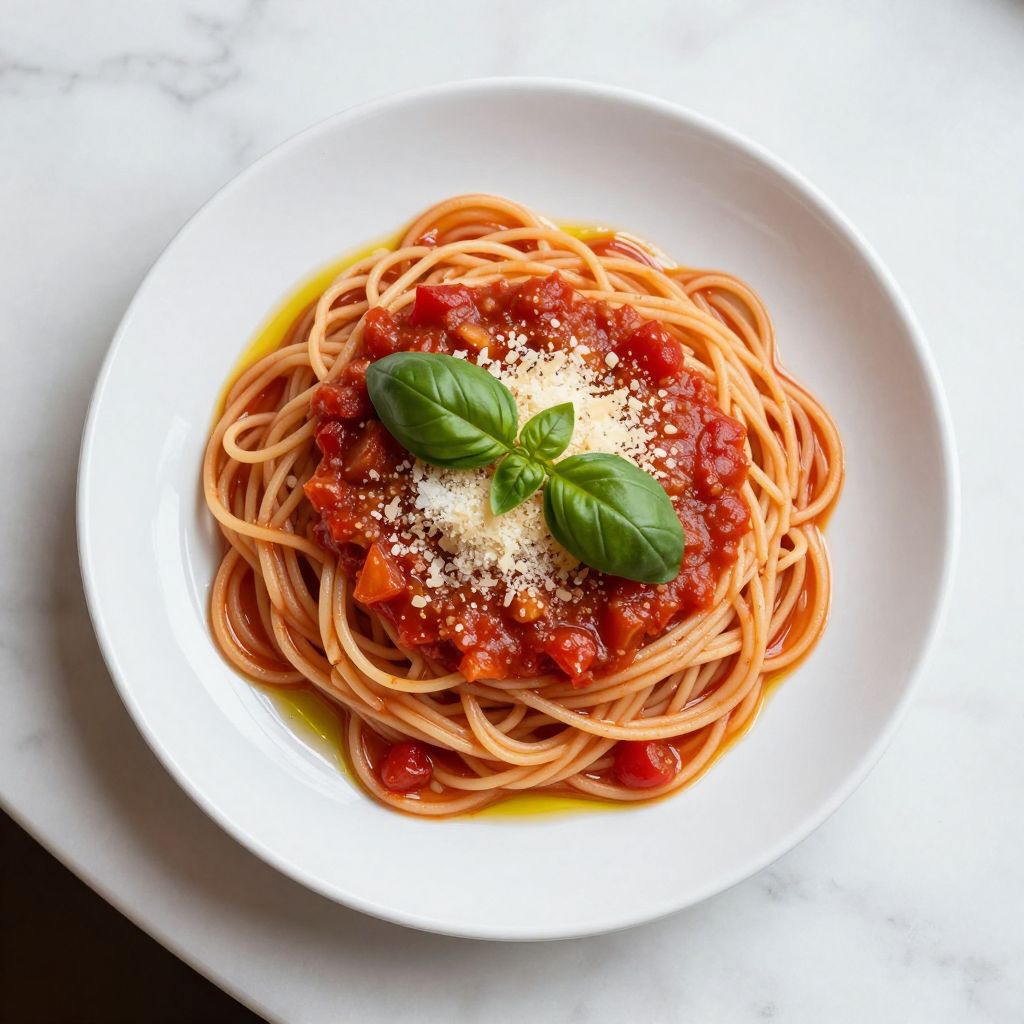
Spaghetti Sauce with No Meat
Ingredients
Equipment
Method
- Heat 3 tablespoons of olive oil in a large heavy-bottomed pot over medium heat until shimmering, about 1 minute.
- Add the finely diced yellow onion and sauté, stirring frequently, for 5 to 6 minutes until translucent and golden.
- Stir in the minced garlic and cook for 1 minute until fragrant, taking care not to let it brown.
- Add 2 tablespoons of tomato paste and toast for 1 to 2 minutes, stirring constantly to reduce raw flavor.
- Pour in 1/2 cup of dry red wine, scrape up any browned bits with a wooden spoon, and simmer for 2 to 3 minutes.
- Stir in the crushed tomatoes and vegetable broth, then bring the mixture to a gentle simmer.
- Season with dried basil, dried oregano, salt, black pepper, and sugar, stirring to combine.
- Reduce heat to low, partially cover the pot, and simmer gently for 30 to 40 minutes, stirring occasionally.
- Taste the sauce and adjust seasoning, adding red pepper flakes or more salt and pepper as desired.
- Just before serving, stir in chopped fresh basil and top with Parmesan cheese if using.