
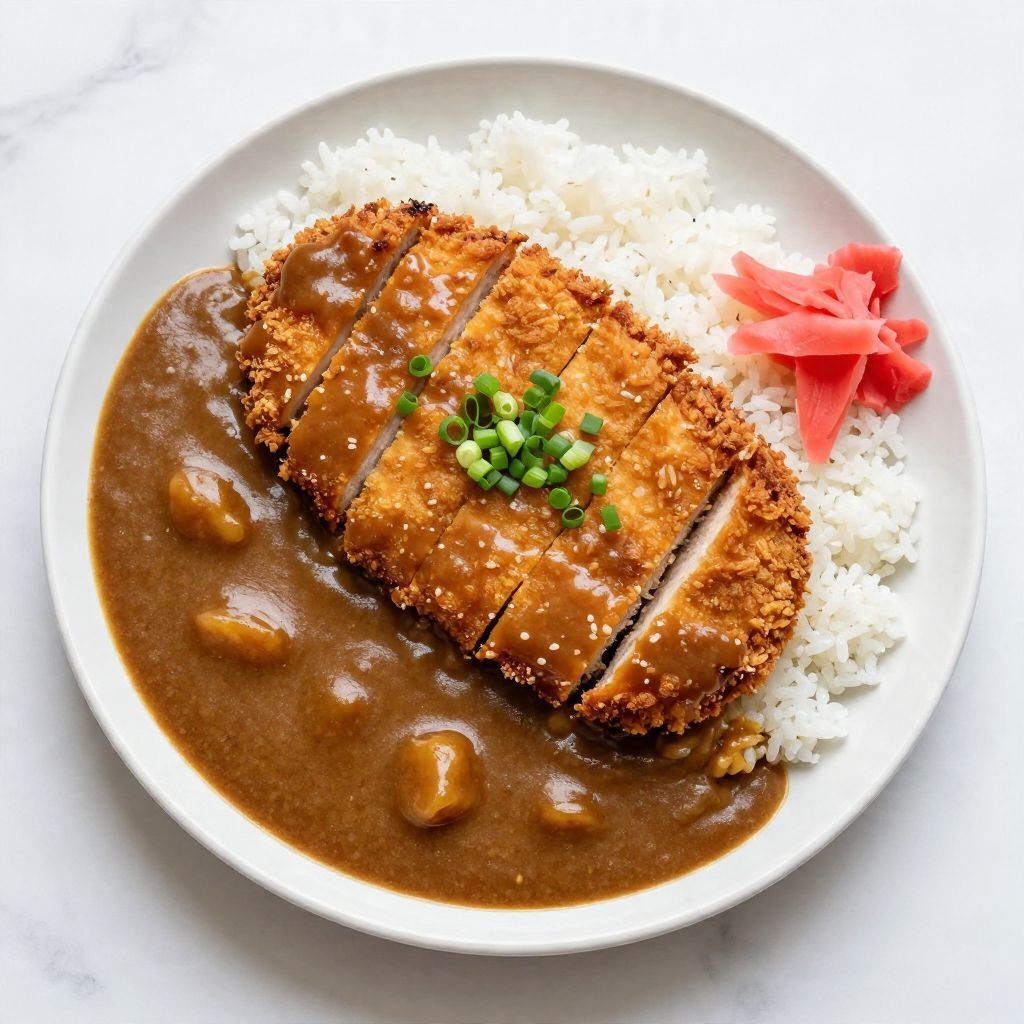
There’s something magical about the first bite of a warm, crispy Katsu Curry. The golden-brown cutlet, tender on the inside and coated in a rich, savory curry sauce, is a dish that celebrates comfort and flavor all in one. This recipe is special because it brings the essence of Japanese cuisine right to your home, providing a satisfying meal that’s perfect for busy weeknights or leisurely weekends. With its unique balance of textures and flavors, Katsu Curry is not just a meal; it’s an experience that will leave your taste buds dancing.
Why You’ll Love This Recipe
This recipe combines delicious flavors and ease of preparation.
- Quick to make, perfect for weeknight dinners.
- Comforting and satisfying, it warms the soul.
- Versatile, you can use chicken, pork, or tofu.
- Deliciously spiced curry sauce that elevates every bite.
- Pairs wonderfully with rice, making it a complete meal.
My Experience Making This Recipe
When I first tried making Katsu Curry, I was amazed by how simple it was to recreate that restaurant-quality dish at home. The aroma of the curry simmering on the stove filled my kitchen, instantly making it feel cozy.
As I plated the crispy katsu over fluffy rice, I couldn’t help but feel a sense of accomplishment. The first bite transported me back to my favorite Japanese restaurant, and my family’s delight at the dinner table was the perfect reward.
Recipe Overview
- Recipe Name: Katsu Curry
- Servings: 4
- Prep Time: 20 minutes
- Cook Time: 30 minutes
- Total Time: 50 minutes
- Course: Main Course
- Cuisine: Japanese
- Calories per Serving: 600 calories
Equipment You Will Need
- Frying pan
- Large pot
- Cutting board
- Sharp knife
- Whisk
- Measuring cups and spoons
- Serving plates
Ingredients for Katsu Curry
For the Katsu
- 4 boneless chicken thighs (or pork cutlets or tofu)
- 1 cup all-purpose flour
- 2 large eggs
- 2 cups panko breadcrumbs
- Vegetable oil for frying
For the Curry Sauce
- 2 tablespoons vegetable oil
- 1 onion, finely chopped
- 2 carrots, diced
- 2 cups chicken or vegetable broth
- 3 tablespoons curry powder
- 1 tablespoon soy sauce
- 1 tablespoon honey
- 1 tablespoon cornstarch (optional, for thickening)
Ingredient Notes and Substitutions
- Chicken thighs: They are juicy and flavorful, making them ideal for frying. You can substitute with pork or tofu for a different twist.
- Panko breadcrumbs: These give a crispy texture. Regular breadcrumbs can be used, but the texture will be different.
- Curry powder: This is the heart of the flavor. If you don’t have it, you can try garam masala as a substitute.
How to Make Katsu Curry
Step 1: Prepare the Katsu
Start by flattening the chicken thighs to ensure even cooking. This helps achieve a crispy outside and tender inside.
Step 2: Set Up Breading Station
In three separate shallow dishes, place flour, beaten eggs, and panko breadcrumbs. This setup makes the breading process smoother.
Step 3: Bread the Chicken
Dredge each piece of chicken in flour, dip in eggs, and coat with panko. Press the breadcrumbs firmly to ensure they stick well.
Step 4: Heat the Oil
In a frying pan, heat about half an inch of vegetable oil over medium heat. The oil should be hot enough that a breadcrumb sizzles when dropped in.
Step 5: Fry the Katsu
Carefully add the breaded chicken to the hot oil, frying for about 5-7 minutes per side until golden brown. This ensures a perfectly crispy exterior.
Step 6: Make the Curry Sauce
In a large pot, heat the vegetable oil and sauté the onions and carrots until softened. This step builds the flavor base for the sauce.
Step 7: Add the Broth and Spices
Pour in the broth, curry powder, soy sauce, and honey, stirring well. Let it simmer for about 15-20 minutes to develop the flavors.
Step 8: Thicken the Sauce (Optional)
If you prefer a thicker sauce, mix cornstarch with a little water and stir it into the curry. This will give it a nice, velvety texture.
Pro Tip: Make sure your oil is hot enough before adding the chicken for that perfect crunch.
Tips for the Best Katsu Curry
- Use a meat thermometer to ensure chicken reaches 165°F for safe eating.
- Don’t overcrowd the pan when frying; this helps maintain the oil temperature.
- Let the katsu rest for a few minutes after frying to keep it juicy.
- Adjust curry powder to your taste; more for heat, less for mild flavor.
- Serve with pickled ginger on the side for an extra flavor kick.
Common Mistakes to Avoid
- Using cold oil for frying can lead to soggy katsu instead of crispy.
- Skipping the resting time for katsu may result in dryness.
- Not letting the curry simmer long enough can lead to bland flavors.
- Overcrowding the frying pan can lower oil temperature, affecting cooking.
Serving Suggestions
Katsu Curry is best enjoyed hot and fresh, served over steaming rice.
- Pair with a side of steamed vegetables for a balanced meal.
- Serve with pickled radish or ginger for a zesty contrast.
- Add a sprinkle of chopped green onions for freshness.
- Consider a simple side salad to lighten up the meal.
Variations to Try
- Use pork instead of chicken for a richer flavor.
- Try tofu for a vegetarian option that soaks up the sauce well.
- Add vegetables like potatoes or peas into the curry for added texture.
- Experiment with different spices like garam masala or turmeric for a unique twist.
Dietary Adaptations
- Gluten-free: Use gluten-free panko and flour for breading.
- Dairy-free: This recipe is naturally dairy-free; just ensure your broth is free from dairy.
- Vegan/Vegetarian: Substitute chicken with tofu or tempeh, and use vegetable broth.
- Low-carb/Keto: Replace flour with almond flour and panko with crushed pork rinds.
Storage and Reheating
Refrigerator
Store any leftovers in an airtight container for up to 3 days.
- Let the katsu cool before sealing it in the container.
- Refrigerate the curry sauce separately to maintain texture.
Freezer
Katsu Curry can be frozen for up to 2 months.
- Wrap the katsu tightly in foil before freezing.
- Freeze the curry sauce in a separate container.
Reheating
Reheat in the microwave or on the stovetop until warmed through.
- For best results, reheat katsu in an oven to preserve crispiness.
- Thaw frozen sauce in the refrigerator overnight before reheating.
Nutrition Information
| Nutrient | Amount |
|---|---|
| Calories | 600 |
| Total Fat | 30g |
| Saturated Fat | 5g |
| Carbohydrates | 60g |
| Fiber | 4g |
| Sugar | 5g |
| Protein | 25g |
| Sodium | 800mg |
| Cholesterol | 120mg |
This information is an estimate and can vary based on ingredient choices.
Frequently Asked Questions
Can I use other meats for Katsu?
Absolutely! Pork and tofu are fantastic alternatives to chicken.
Can I make the curry sauce ahead of time?
Yes, you can prepare the sauce in advance and store it in the fridge for up to three days.
How do I store leftovers?
Keep leftovers in an airtight container in the refrigerator for up to three days.
Why is my katsu soggy?
Soggy katsu usually results from not frying in hot enough oil or overcrowding the pan.
Can I make Katsu Curry without curry powder?
You can try using garam masala or a homemade spice blend if you don’t have curry powder.
Final Thoughts
Making Katsu Curry is an adventure in flavor that you won’t regret. I hope you enjoy this dish as much as I do; it surely brings back wonderful memories each time I prepare it.
If you loved this recipe, check out more delicious options like a shrimp curry recipe or learn about a good substitute for rosemary for your culinary creations.
Katsu Curry
Ingredients
Equipment
Method
- Start by flattening the chicken thighs to ensure even cooking.
- In three separate shallow dishes, place flour, beaten eggs, and panko breadcrumbs.
- Dredge each piece of chicken in flour, dip in eggs, and coat with panko.
- In a frying pan, heat half an inch of vegetable oil over medium heat.
- Carefully add the breaded chicken to the hot oil, frying for about 5-7 minutes per side until golden brown.
- In a large pot, heat the vegetable oil and sauté the onions and carrots until softened.
- Pour in the broth, curry powder, soy sauce, and honey, stirring well, and let it simmer for about 15-20 minutes.
- If you prefer a thicker sauce, mix cornstarch with a little water and stir it into the curry.