
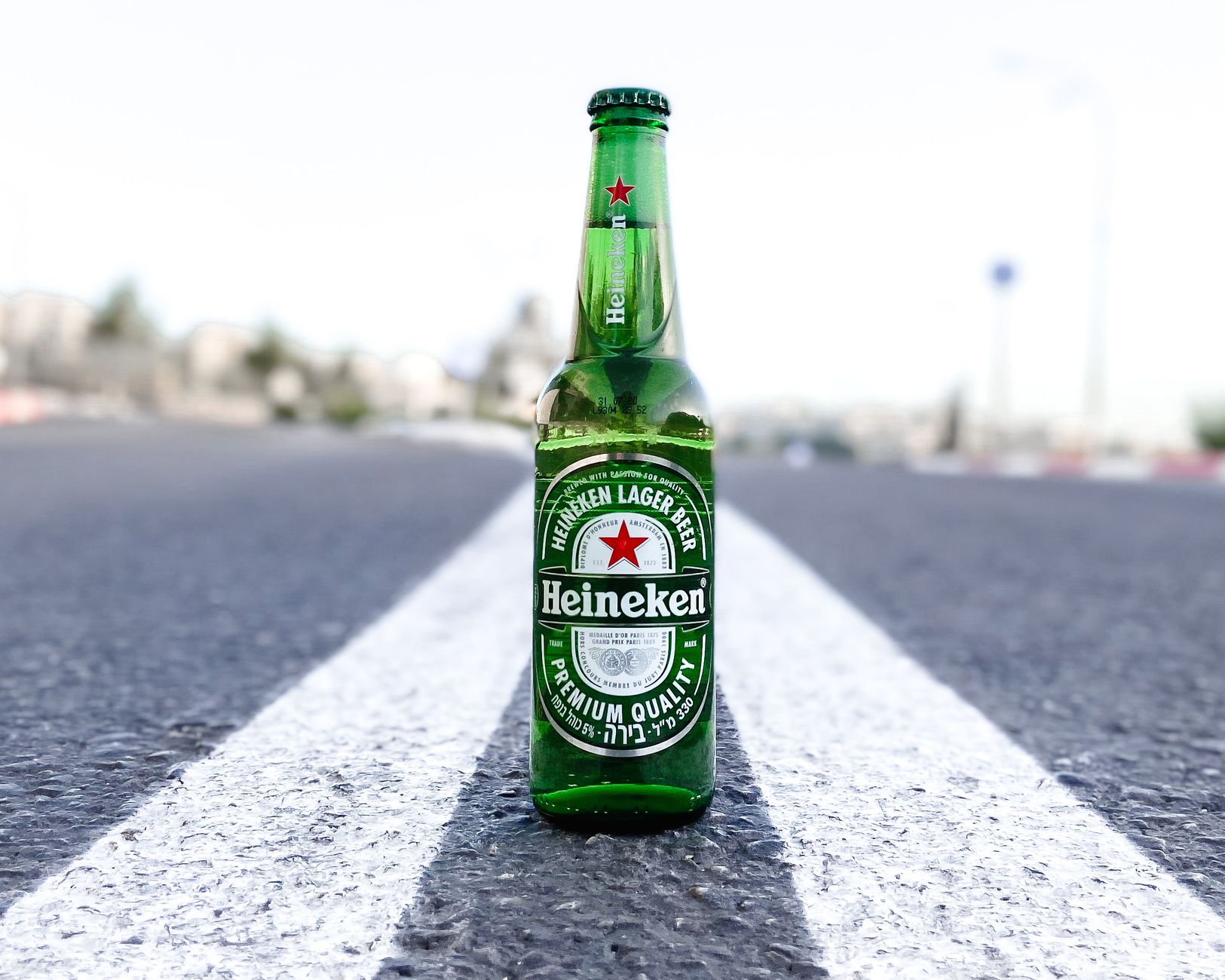
Heineken is a globally recognized beer brand with a distinctive flavor that beer enthusiasts significantly enjoy. Its origins date back to the 19th century, and it has since grown into one of the world’s leading brewers. But have you ever wondered where Heineken is brewed?
This article delves into the brewing locations, the beer-making process, the ingredients used, and some innovative ways to serve Heineken. You’ll learn about its heritage and what makes each brew special in different parts of the world.
Where Is Heineken Brewed?
Heineken is primarily brewed in its home country of the Netherlands, specifically at the original Heineken brewery located in Amsterdam. The brand has expanded its operations globally, with breweries in over 70 countries, including those in the United States, Mexico, Brazil, Ireland, and many others. This wide-reaching operation helps meet the global demand for Heineken beer.
Although many Heineken products are brewed locally in these various locations, they maintain the signature flavor profile established at the Amsterdam brewery through strict quality control measures and standardized recipes.
The Heineken Brewing Process
The production of Heineken beer involves several essential steps that blend traditional methods with modern technology. Here’s an overview of the main stages involved in brewing Heineken:
1. Malting
It all begins with malting, where barley grains are soaked in water and allowed to germinate. This germination process activates enzymes that convert the starches in the barley into fermentable sugars. The grains are then dried to stop the germination, resulting in malted barley.
2. Mashing
The malted barley is crushed and mixed with hot water in a mash tun. This process, called mashing, allows the enzymes to break down the grains further, converting the remaining starches into sugars. The result is called wort, a sweet liquid that is essential for beer production.
3. Boiling
The wort is then boiled and hops are added. Hops contribute bitterness, flavor, and aroma to the beer while also acting as a natural preservative. Heineken uses a specific variety of hops known as “Nobel hops” in its recipe, which are crucial in achieving its unique taste.
4. Fermentation
After boiling, the wort is cooled and transferred to fermentation tanks. Yeast is then added, initiating fermentation. Heineken utilizes a special strain of yeast known as “A-yeast,” which is responsible for the beer’s distinctive flavor. The fermentation process generally lasts about a week, during which the sugars are converted to alcohol and carbon dioxide.
5. Filtration and Packaging
Once fermentation is complete, the beer is filtered to remove any solids. It is often pasteurized to ensure stability and longevity. Finally, Heineken is packaged in bottles, cans, or kegs for distribution worldwide.
The Signature Ingredients of Heineken
What sets Heineken apart is its unique selection of ingredients. Here are the key components:
- Barley: The primary grain used, providing the necessary sugars for fermentation.
- Water: Heineken uses water that meets strict purity standards, ensuring the best taste.
- Hops: The addition of noble hops contributes bitterness and aroma to balance the sweetness of the malt.
- Yeast: The proprietary A-yeast is vital for fermentation and ultimately defines the beer’s flavor profile.
Global Operations and Local Brews
While the original Heineken brewery remains in Amsterdam, local breweries in various countries adapt to regional tastes while maintaining the essence of the beverage. Each brewery follows regulations to ensure the quality and taste embody the Heineken brand’s standards.
For instance, Heineken USA brews its products in breweries across the United States, ensuring freshness and local availability. Similarly, Heineken operates breweries in countries like Mexico, Brazil, and Ireland, catering to local markets while still adhering to its quality protocols.
Cultural Significance of Heineken
Heineken is not just a beverage; it embodies a cultural phenomenon that has grown alongside its consumer base for over a century. The brand has effectively marketed itself through memorable advertisements and global sponsorships, especially in sports events, music festivals, and social gatherings.
The signature green bottle and the iconic red star have become symbols of celebration and camaraderie, aligning Heineken with moments of enjoyment and entertainment. It regularly hosts events and campaigns that resonate with a youthful audience, maintaining relevance even in an evolving beer market.
Innovative Serving Ideas for Heineken
Heineken can be enjoyed in various ways, not just as a refreshing drink. Here are some creative serving ideas:
1. Heineken Beer Cocktails
Create unique cocktails by mixing Heineken with an array of flavors. For example, consider trying a Heineken Shandy by combining it with lemonade for a light and refreshing summertime drink. Alternatively, mix Heineken with a splash of ginger beer and lime for a spiced twist.
2. Food Pairings
Heineken pairs wonderfully with many dishes. Complement its crisp and refreshing profile with:
- Mouthwatering hamburgers
- Spicy chicken wings
- Fish tacos
- Cheese platters, particularly sharp cheddar or blue cheese
The lager’s smooth texture and flavor can enhance the overall dining experience by balancing different taste profiles in your meal.
3. Cooking with Heineken
Consider incorporating Heineken into recipes for an added depth of flavor. Its mild bitterness can accentuate various dishes, including:
- Marinades: Use Heineken in marinades for meats, such as chicken or pork, to tenderize while infusing flavor.
- Risotto: For a unique twist, replace some of the cooking liquid in risotto with Heineken, allowing the beer to add richness.
- Beer-battered fish: Incorporate Heineken into batter for crispy fish or onion rings, enhancing flavor and texture.
4. Themed Parties
Incorporate Heineken into themed parties, such as sports watch parties or outdoor barbecues. Set up a Heineken bar where guests can choose from various food pairings and cocktails featuring the beer. Consider games and activities centered around Heineken’s brand, fostering a fun atmosphere filled with enjoyment.
The Future of Heineken
Heineken continues to innovate and adapt to changing consumer preferences. The brand has been focusing on sustainability, with initiatives to reduce water usage, carbon emissions, and waste during production. Additionally, Heineken has introduced low-alcohol and alcohol-free variants to cater to a broader audience concerned about health and wellness.
The embrace of technology in brewing and distribution emphasizes Heineken’s commitment to remaining a leader in the competitive craft beer market while honoring its rich heritage and tradition. Looking forward, we can expect Heineken to remain at the forefront of brewing, with exciting developments and a continuing dedication to quality.
Conclusion
With its roots in Amsterdam and brewing facilities around the world, Heineken is more than just beer; it’s a symbol of connection and enjoyment. The meticulous brewing process, coupled with high-quality ingredients, results in a distinctive flavor that beer lovers appreciate. Whether sipped from a chilled bottle, mixed into cocktails, or featured in culinary creations, Heineken remains an iconic beverage that brings people together.
As you explore the world of Heineken, consider trying out new pairings or recipes that utilize this beloved brew. Discover related recipes, including creative cocktail ideas, food pairings, or other beverage insights!