
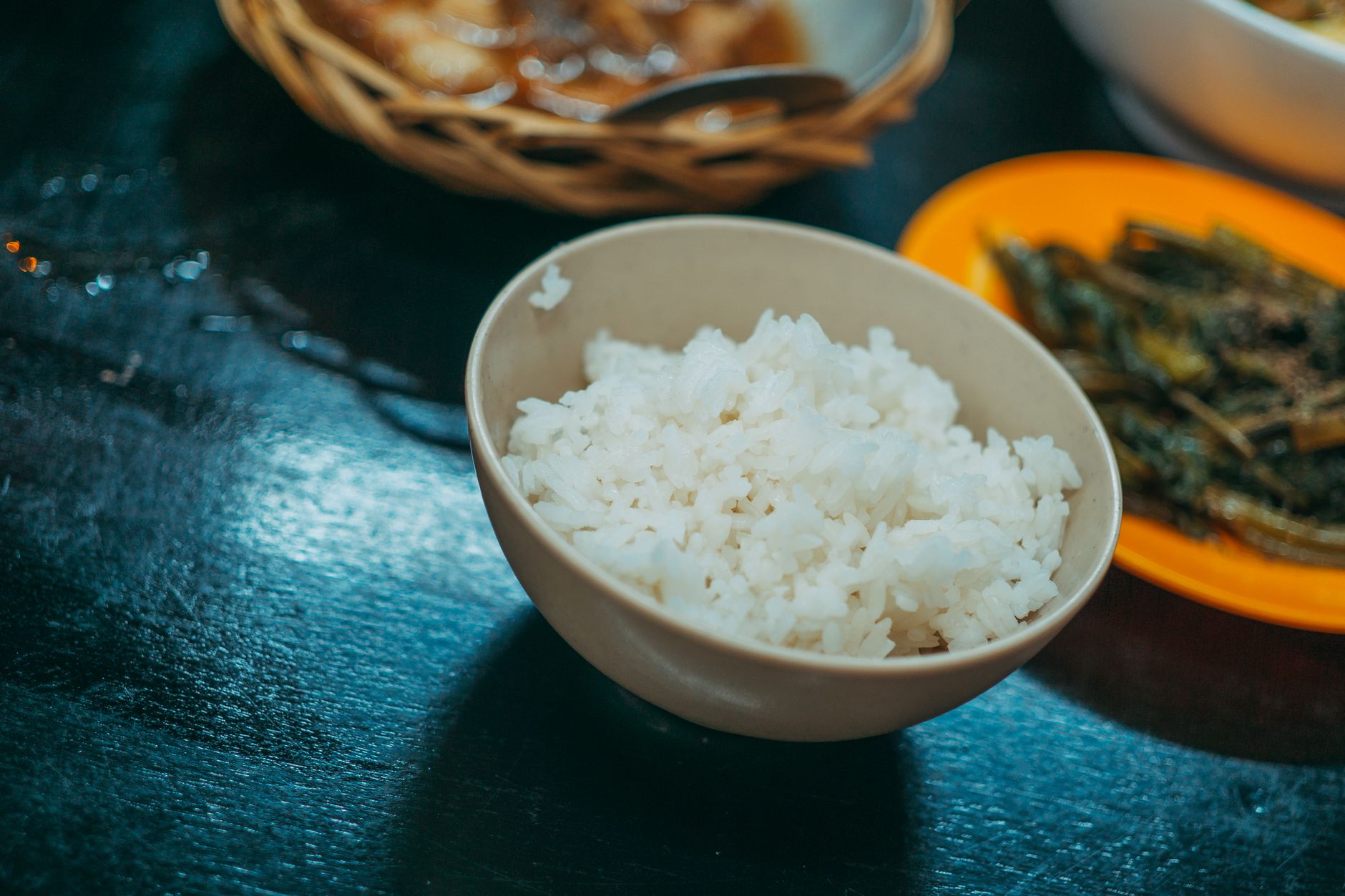
White rice is a staple food in many cultures, celebrated for its versatility and mild flavor. However, concerns have arisen regarding its potential inflammatory effects on the body. This article will explore whether white rice is inflammatory, the nutritional properties of rice, and how to incorporate it into a balanced diet.
As we delve into this topic, we’ll also discuss various types of rice, meal planning considerations, potential substitutes, and how to make informed choices that suit your dietary needs.
Is White Rice Inflammatory?
Research suggests that white rice is not inherently inflammatory. Its effects on inflammation can vary based on individual health and dietary patterns. Factors such as portion size, cooking methods, and what it is paired with can influence its overall impact on health.
Understanding White Rice: Nutritional Profile
White rice is a refined grain that has had its outer bran and germ removed. This process gives it a fine texture and longer shelf life, but it also removes some of the nutrients found in whole grains. Here’s a breakdown of the nutritional components of white rice:
- Calories: Around 130 calories per cooked cup (158 grams)
- Carbohydrates: Approximately 28 grams
- Protein: About 2.5 grams
- Fat: Less than 0.5 grams
- Fiber: Less than 1 gram
- B Vitamins: Contains some thiamine, niacin, and folate
- Minerals: Offers small amounts of iron and magnesium
While white rice does lack dietary fiber and essential nutrients present in brown rice or whole grains, it is easily digestible and can be a good source of energy occasionally. Understanding its nutritional content helps in making informed decisions about its role in your diet.
Inflammation: What is it?
Inflammation is the body’s natural response to injury or infection, helping to promote healing. However, chronic inflammation can lead to several health issues, including heart disease, diabetes, and other inflammatory disorders. Diet plays a significant role in managing inflammation levels.
Foods That Promote Inflammation
Certain foods have been associated with promoting inflammation in the body, including:
- Processed foods high in added sugars
- Refined carbohydrates
- Saturated and trans fats
- Excessive alcohol
- Omega-6 fatty acids found in certain cooking oils
White rice fits into the category of refined carbohydrates, which may be of concern. However, how rice is consumed typically impacts its inflammatory potential.
How White Rice Affects Inflammation
Research expands on the varying effects of white rice on inflammation levels. Here are several points to consider:
- Glycemic Index: White rice has a high glycemic index (GI), which means it can cause rapid spikes in blood sugar levels. Elevated blood sugar is associated with inflammation.
- Serving Size: Moderate portions of white rice, especially when balanced with other anti-inflammatory foods (such as vegetables and lean proteins), can reduce its negative impact.
- Preparation Methods: Cooking methods that add unhealthy fats or sugars may transform its profile and increase inflammation. Steam or boil white rice instead of frying for healthier options.
- Diet Diversity: Including a wide variety of foods in your diet can help mitigate potential inflammation from any one food source.
Incorporating White Rice into a Balanced Diet
White rice can be part of a balanced diet when consumed mindfully. Here are some practical tips for incorporating it healthily:
- Pair with vegetables and proteins: Balance your plate with non-starchy vegetables and lean proteins, which can help stabilize blood sugar and reduce inflammatory responses.
- Opt for whole grains when possible: Use brown rice or other whole grains when you can to boost fiber and nutrient intake.
- Try portion control: Limit servings of white rice to ½ cup or less per meal, focusing on other food groups to fill your plate.
- Consider cooking methods: Steaming or boiling rice rather than frying can retain more nutrients and promote healthier meals.
Practical Tips for Cooking White Rice
If you decide to include white rice in your meals, here’s how to cook it perfectly:
Essential Equipment
- Medium saucepan with a lid
- Measuring cups
- Stirring spoon
Basic Cooking Method
- Rinse the rice in cold water to remove excess starch, which can make it gummy.
- Combine 1 cup of white rice with 1.5 cups of water in the saucepan. You can add a pinch of salt for flavor if desired.
- Bring the mixture to a boil over medium-high heat.
- Once boiling, reduce the heat to low, cover the pot, and let it simmer for about 18-20 minutes.
- Turn off the heat and let the rice sit covered for an additional 5-10 minutes. Fluff with a fork before serving.
Common Mistakes and Troubleshooting
Here’s how to avoid some common pitfalls:
- Overcooking: This can lead to mushy rice. Stick to the suggested time, and check for doneness by tasting.
- Undercooking: If the rice is still hard, add a little more water and continue to cook until tender.
- Not rinsing: Rinsing helps avoid excess starch and produces fluffier rice.
White Rice Alternatives
If you’re looking to switch things up or need a substitute for white rice, here are some viable options:
- Brown Rice: Contains more fiber and nutrients, which can help mitigate the glycemic response.
- Quinoa: A high-protein grain alternative, quinoa is gluten-free and has a lower glycemic index.
- Cauliflower Rice: Grated cauliflower serves as a low-carb, low-calorie alternative, ideal for those managing carbohydrate intake.
- Farro: An ancient grain packed with nutrients and a nutty flavor, farro is a great choice for variety.
Meal Planning with White Rice
Incorporating white rice into your meal planning can enhance meal variety while still focusing on healthy eating. Here are several meal ideas:
Breakfast Ideas
- Rice and vegetable stir-fry with eggs
- Rice porridge with fruit and nuts
Lunch Ideas
- Chicken and vegetable stir-fry served over rice
- Rice salads with beans, legumes, and olive oil
Dinner Ideas
- Grilled fish served on a bed of herbed rice
- Curries served with jasmine or basmati rice
Storage and Reheating Tips
Proper storage of cooked rice is essential for food safety and maintaining quality:
- Store leftover rice in an airtight container and refrigerate for up to four days.
- To reheat, add a splash of water and cover before microwaving to retain moisture.
- Do not leave cooked rice at room temperature for more than two hours to prevent bacterial growth.
Considerations for Different Dietary Needs
When considering whether to include white rice in your diet, think about personal health factors and dietary preferences. Here are some points for specific groups:
- Diabetics: Monitor portion sizes and consider pairing with high-fiber foods.
- Gluten-Free Diets: White rice is naturally gluten-free, making it a safe choice for those with celiac disease.
- Weight Management: Use white rice sparingly and balance meals with high nutrient-density foods.
Conclusion
White rice, when approached mindfully, is not inflammatory on its own. Balanced with a varied diet, it can remain a delicious part of your meals. Feel free to experiment with different cooking methods and flavor combinations to keep your meals enjoyable and nutritious.
For more insights into the dietary impacts of rice, consider exploring whether rice is fattening and learn about anti-inflammatory diets.