
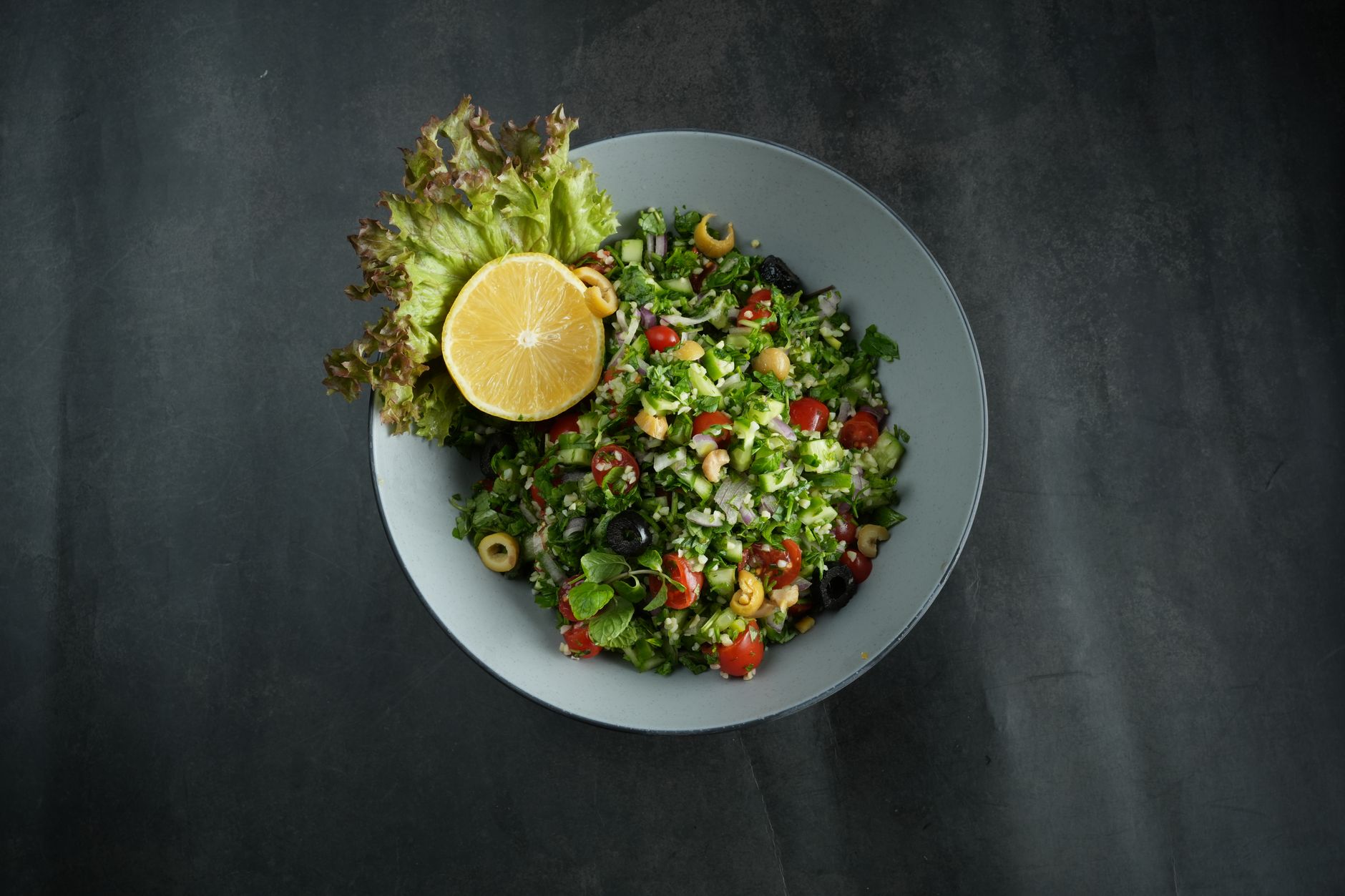
Tabbouleh, a refreshing salad originating from the Levant region, is composed of finely chopped parsley, tomatoes, mint, onion, and soaked bulgur wheat. With its vibrant flavors and nutritious ingredients, it has become a popular choice among health-conscious individuals. However, if you’re on a gluten-free diet, you may find yourself asking: is tabbouleh gluten free?
The traditional preparation of tabbouleh includes bulgur, which is made from whole wheat; thus, it is not suitable for those avoiding gluten. But don’t let that discourage you! There are gluten-free variations and substitutes that allow everyone to enjoy this classic dish without compromising dietary needs. This article will explore the ingredients in tabbouleh, how to read labels, and the best gluten-free alternatives.
Is Tabbouleh Gluten Free?
Traditionally, tabbouleh is not gluten free due to the use of bulgur wheat. However, it can easily be modified to accommodate gluten-free diets by substituting bulgur with gluten-free grains or ingredients. This allows those with gluten sensitivities to still enjoy the fresh flavors of tabbouleh.
Understanding Tabbouleh’s Ingredients
To fully grasp how to adapt tabbouleh for gluten-free diets, it is essential to understand its typical ingredients. Here’s a breakdown of what goes into traditional tabbouleh:
- Bulgur Wheat: The base of traditional tabbouleh, bulgur is cracked whole wheat that adds a chewy texture to the salad.
- Fresh Parsley: The primary ingredient that gives tabbouleh its refreshing flavor and vibrant green color.
- Tomatoes: Typically diced, they add color and juiciness to the mix.
- Mint: Adds a cooling, aromatic quality that enhances the overall flavor.
- Onion: Usually chopped finely, it provides a sharp contrast to the fresh herbs.
- Olive Oil: A staple in Mediterranean cuisine, it adds richness and depth to the salad.
- Lemon Juice: Brightens the dish with acidity and complements the flavors of the herbs.
- Salt and Pepper: Essential for seasoning, enhancing the taste of all ingredients.
Reading Labels: Identifying Gluten
When selecting pre-packaged ingredients or eating out, it’s important to read labels carefully to identify potential sources of gluten. Here are some tips for reading labels:
- Check for Wheat: Look for phrases like “contains wheat” or “made with wheat flour,” which will indicate the presence of gluten.
- Look for Gluten-Free Certifications: Products labeled with a certified gluten-free logo are tested to meet gluten-free standards.
- Avoid Cross-Contamination: If you have severe gluten sensitivity, ensure foods are produced in gluten-free facilities to avoid cross-contamination.
- Be Cautious with Seasoning Blends: Some seasoning mixes may contain gluten as a filler or anti-caking agent, so check their ingredients.
Gluten-Free Tabbouleh: Ingredient Substitutions
To create a gluten-free version of tabbouleh, you will need to substitute bulgur with suitable alternatives. Here are some fantastic grains and options to consider:
1. Quinoa
Quinoa is a nutrient-rich, gluten-free seed that makes an excellent substitute for bulgur. It has a similar texture and provides a nutty flavor. To prepare quinoa, rinse it well, then cook in water or broth in a 1:2 ratio (1 cup quinoa to 2 cups water) for about 15 minutes.
2. Cauliflower Rice
For a low-carb option, finely chopping cauliflower or using pre-packaged cauliflower rice is a great choice. This adds a fresh crunch and can be used raw or lightly steamed.
3. Brown Rice or Wild Rice
Both brown rice and wild rice are gluten-free grains that provide a chewy texture. Cook them according to package instructions; generally, the ratio will be 1 cup of rice to 2-3 cups of water which takes about 30-45 minutes.
4. Millet
Millet is another gluten-free grain with a mild flavor, making it an excellent choice for tabbouleh. Cook it similarly to quinoa, using a 1:2 ratio of millet to water, and boil for about 20-25 minutes.
5. Chickpeas
For a protein-rich and hearty salad, consider using cooked chickpeas. They can be added whole or mashed for a different texture in your tabbouleh.
6. Buckwheat
Despite the name, buckwheat is gluten-free and comes in various forms. You can use buckwheat groats or toasted buckwheat (known as kasha) as a replacement for bulgur in your tabbouleh.
Preparing Gluten-Free Tabbouleh
Once you select your gluten-free grain or substitute, preparing tabbouleh is easy. Here’s a simple method to follow:
Ingredients for Gluten-Free Tabbouleh
- 1 cup quinoa, cooked
- 1 large bunch of fresh parsley, finely chopped
- 2 tomatoes, diced
- 1/2 cup fresh mint, finely chopped
- 1 small onion, minced
- 1/4 cup olive oil
- 1/2 teaspoon salt (or to taste)
- Freshly cracked pepper to taste
- Juice of 1-2 lemons (to taste)
Step-by-Step Instructions
- Rinse the quinoa under cold water to remove any bitterness.
- In a pot, combine 1 cup of quinoa and 2 cups of water. Bring to a boil.
- Reduce the heat, cover, and simmer for about 15 minutes, or until the water is absorbed. Set aside to cool.
- In a large mixing bowl, combine the chopped parsley, diced tomatoes, minced onion, and chopped mint.
- Add the cooled quinoa to the vegetable mixture.
- In a small bowl, whisk together the olive oil, lemon juice, salt, and pepper.
- Pour the dressing over the quinoa and vegetables, mixing gently to combine.
- Taste and adjust seasoning, adding more salt or lemon juice if desired.
- Let the tabbouleh sit for at least 30 minutes before serving to allow flavors to meld.
Common Mistakes to Avoid When Making Tabbouleh
Even though tabbouleh is a simple dish, there are a few common mistakes to avoid:
- Overcooking the Grain: This can lead to a mushy salad. Cook your grain just until tender, then let it cool.
- Inconsistent Chopping: A rustic salad is great, but uniform chopping of the herbs and vegetables helps ensure an even flavor distribution.
- Skipping the Resting Time: Allowing the salad to sit for some time helps the flavors meld together beautifully.
- Forgetting to Taste: Before serving, always taste and adjust seasonings to suit your preferences.
Storage and Serving Suggestions
Gluten-free tabbouleh can be stored in an airtight container in the refrigerator for up to 3 days. To serve, it can be enjoyed as a side dish, a light lunch, or as part of a larger mezze platter. Here are some serving ideas:
- Serve it alongside grilled meats or fish.
- Use it as a filling for lettuce wraps or gluten-free pita.
- Top it with feta cheese for added creaminess.
- Pair it with hummus and olives as part of a Mediterranean spread.
Conclusion
Tabbouleh can be a delightful and satisfying dish even for those who are gluten intolerant, thanks to the numerous gluten-free alternatives available. With a few substitutions and careful ingredient choices, everyone can indulge in this nutritious and flavorful salad.
As you explore your culinary options, consider trying out gluten-free gnocchi or experimenting with basmati rice dishes for a nutritious addition to your meal plan.