
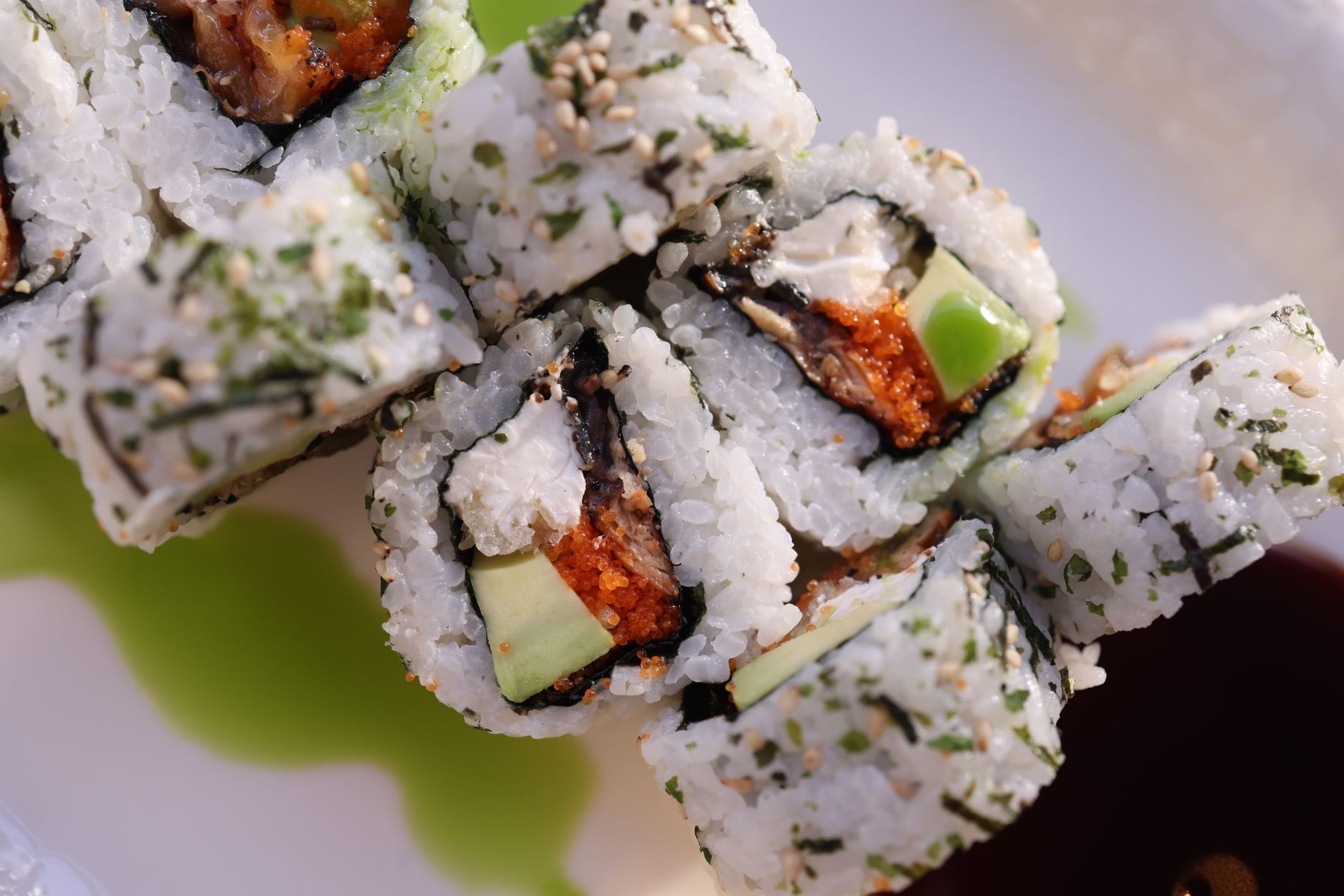
Sushi rolls, popularly known as maki, are a combination of vinegared rice, seafood, and vegetables, typically wrapped in seaweed. They are celebrated not only for their unique flavors and textures but also for their versatility. Understanding the caloric content of sushi rolls is vital for those mindful of their dietary needs, whether for weight management or nutritional balance.
This article will explore how many calories are in various types of sushi rolls, breaking it down by serving size and ingredients. We will also discuss factors that influence these calorie counts to help you make informed choices when dining out or making sushi at home.
How Many Calories Is a Sushi Roll?
The calorie content of a sushi roll can vary significantly based on its ingredients and preparation style. On average, a standard sushi roll contains between 200 and 300 calories per roll, but this can fluctuate depending on factors such as size, fillings, and sauces. Here’s a deeper look at specific types of sushi rolls and their typical calorie content.
Types of Sushi Rolls and Their Caloric Content
When assessing calorie counts, it’s essential to clarify which type of sushi roll is being examined. Below is a list of popular sushi rolls along with their average calorie content per roll.
California Roll
- Calories: 250-300
- Ingredients: Imitation crab, avocado, cucumber, and rice wrapped in nori.
The California roll is one of the most common sushi rolls, especially in the West. Its use of imitation crab allows it to maintain a moderate calorie count while providing a creamy texture from the avocado.
Tuna Roll
- Calories: 200-230
- Ingredients: Fresh tuna, vinegared rice, and nori.
A simple tuna roll features fewer ingredients, making it a lower-calorie option. The nutritional benefits of fresh fish further enhance its appeal.
Salmon Roll
- Calories: 220-250
- Ingredients: Fresh salmon, rice, and nori.
Salmon rolls generally carry a calorie count comparable to tuna rolls. The rich flavor and fatty acids from the salmon provide health benefits alongside satisfactory taste.
Tempura Roll
- Calories: 300-400
- Ingredients: Tempura shrimp or vegetables, rice, avocado, mayonnaise, and nori.
Tempura rolls have a higher calorie count due to the deep-fried ingredients and added sauces. This style is popular for those looking for a crunchier experience but can be less nutritious.
Spicy Tuna Roll
- Calories: 290-350
- Ingredients: Spicy tuna (typically mixed with mayonnaise and sriracha), cucumber, and rice wrapped in nori.
Spicy tuna rolls can be calorie-dense due to the mayonnaise used in preparing the tuna mixture, making them more indulgent than standard tuna rolls.
Eel Roll
- Calories: 300-350
- Ingredients: Grilled eel, rice, nori, and eel sauce.
Grilled eel is rich in flavor and tends to be higher in calories due to the sweet eel sauce adding additional sugars and calories.
Vegetable Roll
- Calories: 180-220
- Ingredients: A combination of various vegetables such as cucumber, avocado, and carrot.
With a focus on fresh produce, vegetable rolls offer a low-calorie option, making them suitable for vegetarians and those seeking lighter fare.
Caloric Differences by Size and Preparation
The calorie content in sushi rolls can also be impacted by their size. Sushi rolls are often categorized as standard, large, or hand rolls (temaki). Here’s how size influences calorie counts:
Standard Rolls
A standard roll usually consists of eight pieces. The calorie content mentioned previously applies to this size. They are manageable servings that allow the enjoyment of various ingredients without overwhelming calorie intake.
Large Rolls
Large rolls, which may contain ten or more pieces, can have upwards of 400 to 600 calories depending on the fillings and sauces used. For instance, a large tempura roll or a specialty roll from a sushi restaurant may fall into this category.
Hand Rolls (Temaki)
Hand rolls are cone-shaped sushi where the rice and fillings are rolled in nori. These typically contain a higher amount of filling and can have caloric values ranging from 300 to 450 calories depending on the ingredients. Their larger size and greater volume of rice can lead to increased caloric content.
Factors Influencing Caloric Content in Sushi Rolls
Several factors contribute to the overall calorie content of sushi rolls. Understanding these can aid in making healthier choices.
Ingredients
The primary ingredients greatly impact the calorie count. Fresh fish tends to be leaner, while items like tempura and mayonnaise tend to add significant calories. Check for ingredients like:
- Mayonnaise (in spicy rolls)
- Eel sauce (on eel rolls)
- Fried items (like tempura)
- Avocado (though nutritious, it is calorie-dense)
Preparation Method
How a sushi roll is made can also affect its calorie count. For example:
- Deep-frying ingredients increases calories.
- Adding sauces can enhance flavor but also add calories.
- Using brown rice instead of white rice can modify the nutritional profile slightly, though it may not significantly change calorie counts.
Calorie Comparison with Other Foods
For context, it’s useful to compare the calorie content of sushi rolls with other common foods. Here’s a brief overview:
| Food Item | Calories |
|---|---|
| California Roll (8 pieces) | 250-300 |
| Cheeseburger | 300-500 |
| Chicken Caesar Wrap | 400-600 |
| Spaghetti with Marinara Sauce | 300-400 |
As shown above, sushi rolls can be a relatively lighter option compared to other typical meals. Opting for sushi over heavier dishes can result in lower-calorie meals without sacrificing flavor.
Practical Tips for Making Healthier Sushi Choices
When enjoying sushi rolls, especially from restaurants, you can take steps to reduce calorie intake:
- Opt for rolls with more vegetables and less fried content.
- Select brown rice when available for better nutritional benefits.
- Ask for sauces to be served on the side, so you can control how much you use.
- Share rolls, especially high-calorie varieties, to enjoy without overindulging.
Making Sushi at Home
Making sushi at home allows you to control the ingredients and adjust the calorie content. Here’s a basic overview of the process:
Essential Equipment
- Sushi mat (bamboo mat)
- Sharp knife
- Sushi rice cooker or pot
- Rice paddle
Basic Ingredients
- 2 cups sushi rice
- 1/4 cup rice vinegar
- Nori sheets
- Fresh fish or vegetables of choice
- Optional: sesame seeds, wasabi, and pickled ginger
Steps for Making Sushi Rolls
- Rinse the sushi rice under cold water until the water runs clear. Cook according to the package instructions or using a rice cooker.
- Once cooked, mix rice vinegar with the rice and allow it to cool slightly.
- Lay a nori sheet on your sushi mat. Wet your hands to prevent sticking and spread an even layer of rice on top of the nori, leaving a small border at the top.
- Add fillings of your choice (sliced fish, vegetables, etc.) in the center of the rice.
- Using the sushi mat, carefully roll the nori tightly away from you, applying pressure to form the roll.
- Once rolled, use a sharp knife to slice the roll into pieces. Serve with soy sauce, wasabi, and pickled ginger.
Making sushi at home allows you to experiment with both ingredients and portion size, enabling a wider range of healthy options.
Conclusion
The caloric content of sushi rolls varies based on the ingredients used and the preparation methods. From lighter options like tuna and vegetable rolls to heartier varieties such as tempura rolls, being aware of these differences can help you make better choices for your diet. Making your own sushi is an excellent way to control your ingredients and calories while enjoying this delicious cuisine.
For those further interested in managing calorie intake with other popular dishes, feel free to explore our analysis of pho calories and the caloric content of scrambled eggs.