
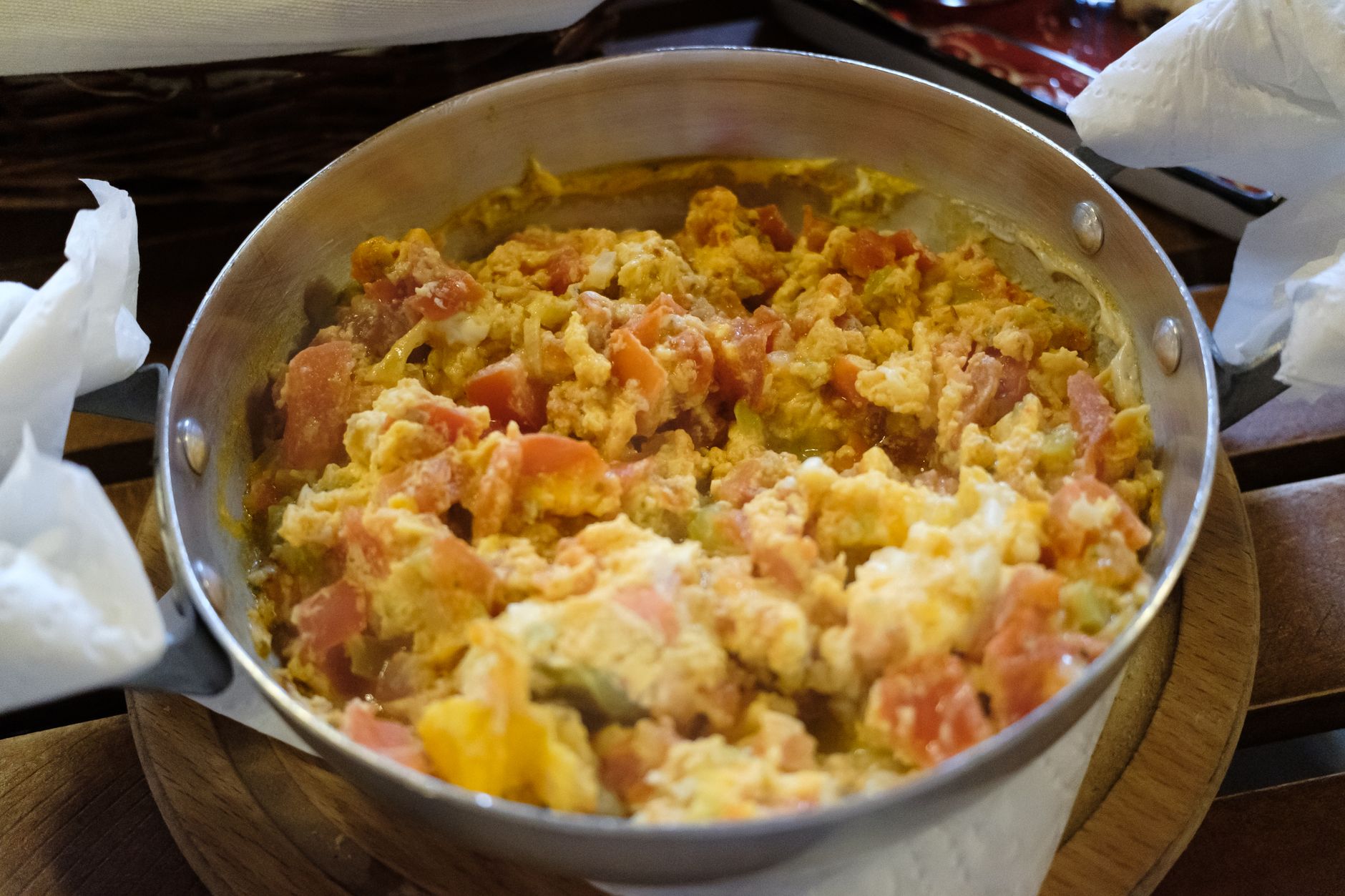
Scrambled eggs are a beloved breakfast staple that offer a satisfying and nutritious start to your day. But if you’re curious about their caloric content, you’re not alone. Knowing the calorie count can help you manage your diet, especially if you are keeping track of your daily intake.
This article will explore the number of calories in two scrambled eggs, along with insights into their nutritional benefits, cooking techniques, and versatile serving suggestions.
How Many Calories Are in 2 Scrambled Eggs?
Two scrambled eggs contain approximately 140 calories. This number can vary slightly based on factors such as the cooking method and any added ingredients. Scrambled eggs are not only a satisfying meal option but also a rich source of essential nutrients.
Understanding the Nutritional Value of Scrambled Eggs
Eggs are packed with protein, healthy fats, vitamins, and minerals, making them a nutritious choice for breakfast or any meal. Here are some key nutrients found in two scrambled eggs:
- Protein: Approximately 12 grams
- Fat: About 10 grams (including healthy omega-3 fats)
- Cholesterol: Roughly 370 mg
- Vitamin D: Essential for bone health
- B Vitamins: Important for energy metabolism
- Selenium: An antioxidant that helps protect cells
Scrambled eggs are also low in carbohydrates, making them a suitable option for many diets, including ketogenic and low-carb plans.
How Cooking Method Affects Calories
The calorie count in scrambled eggs can be influenced by how they’re cooked and what ingredients are added. Here are some common cooking methods and their effects on caloric content:
Plain Scrambled Eggs
When you scramble eggs without any added ingredients (like butter, milk, or cheese), the calorie content remains lower, around 140 calories for two large eggs. This is a basic way to enjoy eggs if you’re focusing on a leaner meal.
Scrambled Eggs with Butter
If you scramble your eggs in butter, the calories will increase. For example, one tablespoon of butter adds about 100 calories to your dish, bringing the total to approximately 240 calories for two scrambled eggs prepared this way. The butter also adds rich flavor and a creamy texture.
Scrambled Eggs with Milk or Cream
Adding milk or cream can also raise the calorie count. One tablespoon of whole milk adds around 9 calories, so if you use it in your scrambled eggs, expect to add around 20 calories for two eggs. Using cream will add more calories depending on the amount.
Scrambled Eggs with Cheese
Incorporating cheese adds flavor and creaminess but also increases calories. For instance, adding an ounce of shredded cheese can add about 110 calories. So, if you’re making cheesy scrambled eggs, you’ll be looking at around 250-260 calories total.
Perfecting the Scrambling Technique
Scrambling eggs might seem simple, but a few techniques can elevate the flavor and texture. Here are essential steps for perfect scrambled eggs:
Essential Equipment
- Non-stick skillet or frying pan
- Spatula (silicone is a good choice)
- Bowl for whisking
- Whisk or fork for mixing
Step-by-Step Method
- Whisk the Eggs: Crack two large eggs into a bowl. Use a whisk or fork to mix vigorously until the yolks and whites are fully combined. This also incorporates air, making your eggs fluffier.
- Heat the Pan: Preheat your skillet over medium-low heat. If you’re using butter, add it now and allow it to melt, layering flavor without browning.
- Cook the Eggs: Pour the whisked eggs into the hot pan. Allow them to sit for a few seconds before stirring.
- Stir Gently: Using your spatula, gently stir the eggs around the skillet, allowing their outer edges to cook while folding them back into the uncooked areas.
- Remove from Heat: Continue stirring gently until the eggs just begin to set but retain some creaminess, typically in about 2-3 minutes.
- Plate and Serve: Transfer the scrambled eggs onto a plate and enjoy them hot, seasoned with salt and pepper to taste.
Common Mistakes When Scrambling Eggs
While scrambling eggs is straightforward, a few common mistakes can lead to less-than-ideal results. Here are some pitfalls to avoid:
- High Heat: Cooking eggs on high heat can lead to rubbery textures. Always use medium-low heat for tender scrambled eggs.
- Overcooking: A key indicator of doneness is the eggs’ visual appearance; they should look slightly undercooked and will continue to cook off the heat.
- Not Using Enough Fat: A good amount of butter or oil helps prevent sticking and enhances flavor. Don’t skimp!
- Neglecting to Season: Salt enhances the flavor of eggs; be sure to season them before or during the cooking process rather than afterward.
Serving Suggestions for Scrambled Eggs
There’s no limit to how you can enjoy scrambled eggs. Here are some popular and creative serving ideas:
Classic Breakfast
Pair your scrambled eggs with crispy bacon or sausage, toast, and a side of fruit for a hearty breakfast.
Topping Variations
Consider adding toppings like avocado, salsa, or fresh herbs such as chives or parsley for added flavor and nutrition!
Breakfast Burrito
Wrap scrambled eggs in a tortilla with black beans, cheese, and your favorite hot sauce for a filling breakfast burrito.
Egg and Vegetable Scramble
Add vegetables like spinach, bell peppers, or tomatoes to your scrambled eggs for extra fiber and nutrients. They can be mixed in during cooking or served on the side.
Making Scrambled Eggs Ahead of Time
For those who meal prep, scrambled eggs can be made ahead and stored in the fridge. Here are tips for making them in advance:
- Store in an Airtight Container: After cooking, let the eggs cool, then transfer them to a container and refrigerate for up to three days.
- Reheat Gently: To reheat, place the eggs in a non-stick skillet over low heat, stirring occasionally until warmed through.
- Do Not Overcook Initially: Consider undercooking slightly if you plan to reheat, as they will continue cooking during the reheating process.
Conclusion
Two scrambled eggs provide a nutritious and versatile option for any meal, containing about 140 calories on their own. By adjusting ingredients and cooking methods, you can customize their flavor and nutrition to fit your dietary needs and preferences.
Now that you know how to make delicious scrambled eggs and how many calories are in them, consider trying other recipes or cooking tips to enhance your breakfast repertoire. Explore our guides on jammy eggs or sous vide egg bites for more egg-based ideas!