
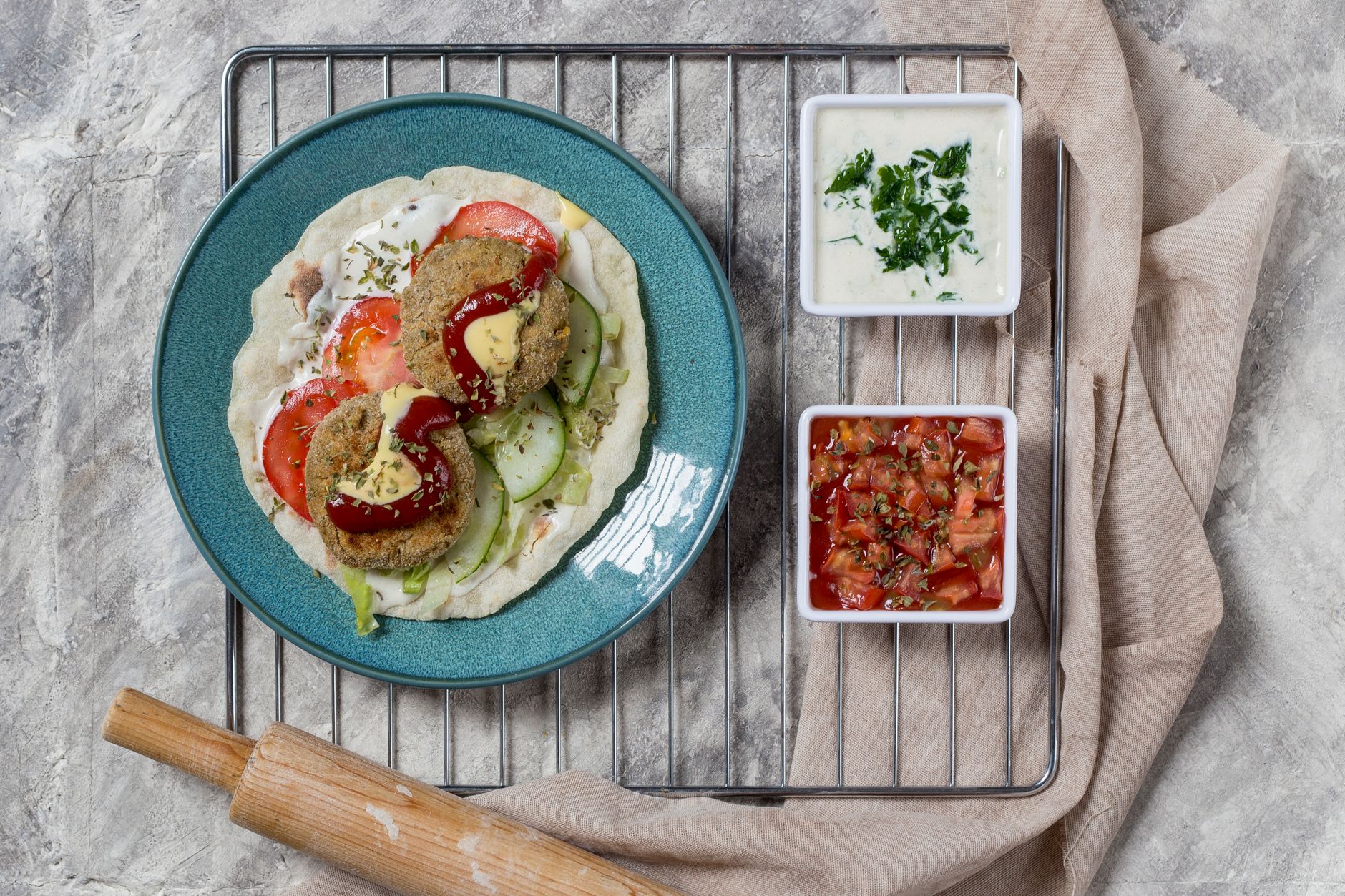
Falafel is a popular Middle Eastern street food, made primarily from ground chickpeas or fava beans, seasoned with a blend of herbs and spices. Typically formed into balls or patties, falafel is deep-fried until crispy on the outside and tender on the inside, making it a beloved vegetarian option.
Often served in pita bread or on its own with various toppings and sauces, falafel is not only delicious but also an excellent source of plant-based protein. This article will delve into the ingredients that make falafel, explore its flavor profile, and suggest various ways to enjoy this tasty dish.
What Is Falafel?
Falafel is a deep-fried, crunchy ball or patty made from ground chickpeas, fava beans, or a mixture of both. Its flavor is enhanced with spices like cumin, coriander, garlic, and fresh herbs such as parsley and cilantro. Traditionally, falafel is served in pita bread with a variety of accompaniments or on its own as a snack.
Ingredients of Falafel
The core ingredients of falafel are straightforward, usually comprising legumes and spices. Here’s a detailed look at what goes into making falafel:
- Chickpeas or fava beans: The primary ingredient, they provide the base for the falafel mixture. Dried legumes are typically used instead of canned for better texture and flavor.
- Onion: Adds sweetness and depth of flavor to the falafel mixture.
- Garlic: Imparts a rich, aromatic quality to the falafel.
- Fresh herbs: Commonly parsley and cilantro are used to add freshness and brightness to the falafel.
- Spices: Ground cumin and coriander are traditional choices, contributing a warm earthy flavor.
- Salt and pepper: Essential for seasoning the mixture properly.
- Baking powder: Helps in creating a light texture for the falafel.
- Flour: Sometimes added to help bind the ingredients together. This can be chickpea flour or all-purpose flour.
- Oil for frying: A neutral oil like vegetable oil is typically used to achieve a crisply fried texture.
Flavor Profile of Falafel
Falafel boasts a complex flavor profile, characterized by a harmonious blend of nutty, earthy, and herbaceous notes. The spices used give it warmth and depth, while the herbs add freshness. The chickpeas or fava beans provide a creamy base that complements the crunch from frying. This variety of flavors makes falafel a versatile dish that pairs well with many other ingredients.
Texture
When cooked correctly, falafel should have a crisp and golden-brown exterior, contrasting with a soft, moist interior. A key aspect of achieving the perfect texture lies in the preparation techniques used.
Instructions on How to Make Falafel
Creating falafel at home is a rewarding process, resulting in a fragrant and flavorful dish. The following guide outlines the steps to make delicious falafel.
Yield:
Approximately 12 falafel balls
Preparation Time:
20 minutes (plus soaking time)
Cooking Time:
5-7 minutes per batch
Total Time:
1 hour (including soaking time)
Essential Equipment
- Food processor
- Large mixing bowl
- Deep frying pot or heavy-bottomed pan
- Slotted spoon
- Paper towels for draining
- Measuring cups and spoons
Step-by-Step Method
- Soak the legumes: Place 1 cup of dried chickpeas or fava beans in a large bowl and cover them with water. Let them soak for at least 8 hours or overnight. Drain and rinse when ready for use.
- Blend the mixture: In a food processor, combine the soaked and drained legumes, 1 small onion (roughly chopped), 2-3 garlic cloves, 1/2 cup of fresh parsley, 1/2 cup of fresh cilantro, 1 teaspoon of cumin, 1 teaspoon of coriander, 1 teaspoon of salt, and a dash of black pepper. Blend until the mixture is coarsely ground but not pureed.
- Add binders: Transfer the mixture to a mixing bowl, and add 1-2 tablespoons of flour (either chickpea or all-purpose) and 1/2 teaspoon of baking powder. Gently mix until everything is combined. If the mixture is too wet, add more flour to aid in binding.
- Chill the mixture: Cover the bowl and place it in the refrigerator for about 30 minutes. This will help the flavors meld and make it easier to shape the falafel.
- Heat the oil: In a deep pot or heavy pan, heat oil to 350°F (175°C) to fry the falafel.
- Shape the falafel: Using wet hands or a small ice cream scoop, form the mixture into balls or patties, about the size of a golf ball.
- Fry the falafel: Carefully place a few falafel balls into the hot oil, being cautious not to overcrowd the pan. Fry for about 5-7 minutes, or until golden brown, rotating them occasionally for even cooking.
- Drain excess oil: Once cooked, remove the falafel from the oil using a slotted spoon and drain them on paper towels. Continue frying the remaining batches.
- Serve hot: Enjoy falafel fresh and hot, served with tahini sauce, pickled vegetables, or in a pita with salad.
Variations and Serving Suggestions
Falafel is highly adaptable and can be served in various ways. Here are some popular variations and serving suggestions:
Common Variations
- Different legumes: While chickpeas are the most common base, consider using fava beans for a traditional Egyptian twist or splitting the difference between both.
- Spice variations: Experiment with spices such as paprika, chili powder, or cayenne pepper for a spicier kick.
- Herb alternatives: Incorporate herbs such as mint or dill for additional flavor.
Serving Suggestions
- In Pita: Place falafel in warm pita bread with fresh vegetables like lettuce, tomatoes, and cucumbers, along with sauces like tahini or tzatziki.
- As a salad: Crumble falafel over mixed greens with a variety of toppings, such as olives, feta cheese, and dressing.
- With dips: Serve falafel with hummus, baba ganoush, or tzatziki for a flavorful appetizer or snack.
Common Mistakes and Troubleshooting Tips
When making falafel, there are a few common pitfalls to avoid to ensure the best texture and flavor:
- Using canned legumes: Avoid using canned chickpeas or fava beans. While they may save time, they often result in a mushy texture. Always use dried beans that have been soaked.
- Over-blending: Blending the mixture too finely can lead to a paste-like consistency that does not hold its shape. Aim for a coarsely ground texture.
- Incorrect frying temperatures: If the oil is not hot enough, the falafel will absorb oil and become greasy. Use a thermometer to check oil temperature or test by dropping a small piece of dough into the oil; it should sizzle immediately.
Storage and Reheating Falafel
Falafel can be stored and reheated to maintain its flavor and texture.
- Storage: Uncooked falafel balls can be frozen before frying. Place them on a baking sheet and freeze until solid, then transfer to an airtight container for up to 3 months.
- Reheating cooked falafel: To reheat, place falafel in a preheated oven at 350°F (175°C) for about 10-15 minutes, or until warmed through. Avoid microwaving as this can lead to a soggy texture.
Falafel serves as an excellent option for meal prepping as it can be made in batches and enjoyed over several days. Whether for lunch, dinner, or as a snack, falafel’s versatility and ease of preparation make it a staple in many households.
This article has covered the basics of falafel, from understanding its ingredients and flavors to making and serving it. With some practice and the right techniques, you can create your version of this delightful dish.
For related recipes, check out our guide on hummus or try making fry bread as great accompaniments to your falafel meal.