
The importance of understanding measurements in cooking cannot be overstated. Whether you’re a beginner or a seasoned home cook, knowing how many cups are in a pint can be crucial for recipe success. This simple conversion can save time and frustration, ensuring that your dishes come out just right.
This article will delve into the specifics of pint-to-cup conversions, providing useful tips, as well as practical insights into measuring ingredients accurately. By the end, you’ll feel confident handling any recipe that includes this common measurement.
How Many Cups Is 1 Pint?
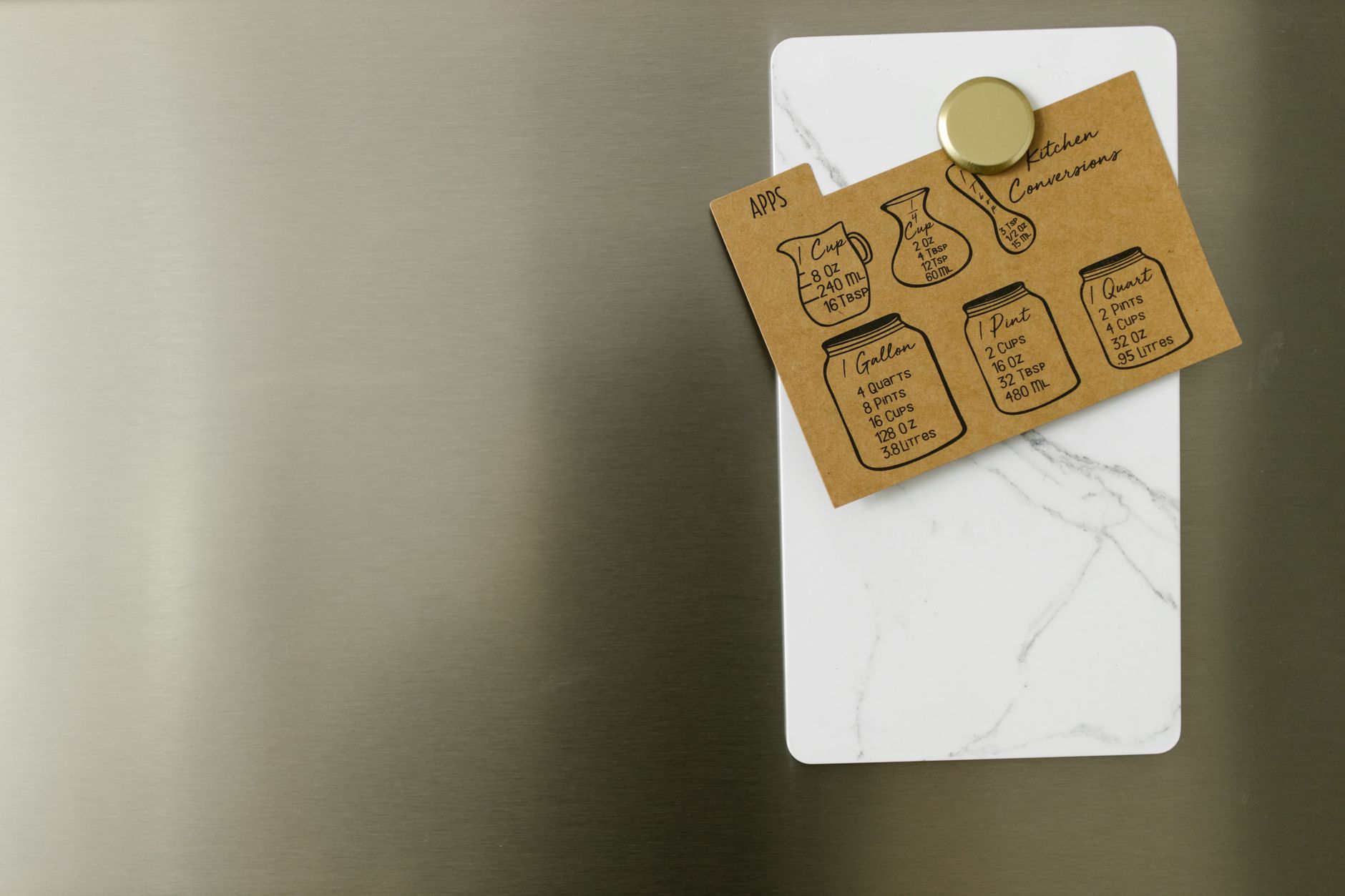
1 pint equals 2 cups. This conversion is essential when measuring ingredients, especially for recipes that require precision.
Understanding Fluid Measurements
To better grasp the pint-to-cup conversion, it’s helpful to understand how fluid measurements work. In cooking, fluid measurements are crucial for both wet and dry ingredients. Using the correct measurement tools will yield more consistent results in your dishes.
Standard Measurement Systems
There are two main systems for measuring volume in cooking: the metric system and the U.S. customary system. In the U.S., we primarily use cups, pints, quarts, and gallons for liquid ingredients, while the metric system uses liters and milliliters. Here’s a quick overview:
- 1 cup = 8 fluid ounces
- 1 pint = 16 fluid ounces
- 1 quart = 32 fluid ounces
- 1 gallon = 128 fluid ounces
Why Accurate Measurements Matter
Using the correct measurements in cooking and baking can make or break a dish. In baking, for example, even a slight variation in the quantity of ingredients can affect the texture and structure of the final product. Therefore, understanding how many cups are in a pint ensures you can adjust recipes accurately and achieve the desired results.
Measuring Techniques
Accurate measuring is vital for consistent cooking outcomes. Here are some effective methods for measuring both liquid and dry ingredients.
Tips for Measuring Liquid Ingredients
- Use a liquid measuring cup: These cups are typically made of glass or plastic and have a spout for easy pouring. Look for measurement lines for precise readings.
- Check at eye level: When pouring liquids, bend down to the level of the measuring cup to ensure accuracy. Misreading from above can lead to incorrect quantities.
- Fill to the meniscus: When measuring liquids, make sure the liquid is at the bottom of the curve (the meniscus) for the most accurate measurement.
Tips for Measuring Dry Ingredients
- Use dry measuring cups: Unlike liquid measuring cups, these are filled to the top and leveled off to achieve the correct amounts.
- Don’t scoop directly: Always spoon dry ingredients into the measuring cup and level them off with a flat edge to avoid packing too tightly.
- Know your ingredient: Different ingredients can have different weights and volumes. For example, a cup of flour weighs less than a cup of sugar. Understanding these differences can aid in measuring.
Common Conversions Between Pints and Cups
Knowing that 1 pint is equal to 2 cups can open the door to understanding many other conversions between pints, cups, quarts, and gallons. Here is a quick reference table for common conversions:
| Pint | Cups | Quarts | Gallons |
|---|---|---|---|
| 1 pint | 2 cups | 0.5 quarts | 0.125 gallons |
| 2 pints | 4 cups | 1 quart | 0.25 gallons |
| 4 pints | 8 cups | 2 quarts | 0.5 gallons |
| 8 pints | 16 cups | 4 quarts | 1 gallon |
When to Use Pints and Cups in Cooking
Different culinary terms and measurements can be used for various tasks in cooking. Understanding when to use pints and cups can enhance your cooking experience.
When to Use Pints
Pints are often used for measuring liquids, particularly in recipes for soups, sauces, and beverages. They are also common in recipes that involve fruits and vegetables—especially when larger quantities are needed. For instance:
- When making large batches of smoothies or soups, pints can be more convenient than using smaller cup measures.
- Recipes for salad dressings or marinades may use pints for easy scaling.
- Home brewing or making homemade beverages often calls for pints, especially when dealing with fluid ounces.
When to Use Cups
Cups are more common for daily cooking and baking tasks, especially when recipes require precision. Here are a few instances where using cups is preferable:
- Baking requires accurate measurements, and most baking recipes specify ingredients in cups to ensure the correct ratios.
- For smaller servings, such as single-serve recipes or side dishes, cups become more manageable and reduce waste.
- Measuring solids like flour, sugar, or grains typically relies on cup measurements, making it simpler to scale recipes for different serving sizes.
Practical Substitutions and Variations
Understanding how to substitute ingredients while maintaining the equivalent volume can help you in cooking. Here are some common substitutions that involve pint and cup measurements:
Liquid Ingredient Substitutions
- If you run out of milk, use an equal amount of unsweetened almond milk or another nut milk.
- When a recipe calls for chicken broth (1 pint = 2 cups), you can substitute vegetable broth for a similar flavor profile.
- In place of heavy cream, opt for 1 cup of milk combined with 1/3 cup of melted butter, which is equivalent in volume to 1 pint.
Dry Ingredient Substitutions
- If a recipe calls for all-purpose flour, a gluten-free flour blend can serve as a one-for-one substitute, provided it is mixed well to avoid lumps.
- In place of granulated sugar, consider using brown sugar if you want a richer flavor; however, note that brown sugar is denser and may require slight adjustments in volume.
- Cocoa powder can be swapped for an equal amount of dark chocolate; just ensure to melt the chocolate to a liquid state before measuring.
Common Mistakes in Conversions
Even experienced cooks can make mistakes in conversions. Here are some common errors to avoid:
Volume Misunderstandings
- Not realizing that a dry pint is different from a liquid pint, which can result in incorrect measurements.
- Assuming that all cups are the same; there are different cup sizes (e.g., metric cups vs. U.S. cups) which can affect the final outcome.
Double Check Measurements
It’s crucial to double-check the number of cups needed, especially when modifying a recipe. One tablespoon difference can lead to undesired textures, particularly in baking.
Cooking and Baking with Precision
Understanding pints, cups, and other measurement conversions will empower you in the kitchen. With practice, you’ll become more familiar with these conversions, enabling you to cook and bake with confidence.
Final Tips for Better Measuring
- Keep a conversion chart handy or refer to your phone for quick access.
- Use measuring cups and spoons specifically designed for dry or liquid ingredients to avoid confusion.
- Practice measuring with a set of measuring tools that you keep dedicated for cooking. This helps create consistent habits.
Storing Your Measurements
Once you’ve measured out your ingredients, the way you store them can also affect your cooking. Here are storage tips to ensure your ingredients remain fresh and usable:
Storing Liquid Ingredients
- Keep liquids in airtight containers to prevent odor absorption in the fridge.
- Label containers with the date opened to track freshness.
- Store liquids like cooking oils in a cool, dark place to maintain their flavor.
Storing Dry Ingredients
- Use airtight containers to keep dry ingredients like flour and sugar free from moisture and pests.
- Label and date containers for managing shelf life effectively.
- Store at room temperature in a cool, dry pantry away from direct sunlight.
Converting pints to cups is straightforward and essential for any home cook. With the knowledge gained here, you can approach your recipes with confidence, whether adjusting ingredients or crafting new dishes from your favorite ones.
Now that you’re equipped with the knowledge of measurements and conversions, you can explore related recipes and guides like understanding how many cups of water for rice or figuring out how much applesauce equals one egg when substituting ingredients. Happy cooking!