
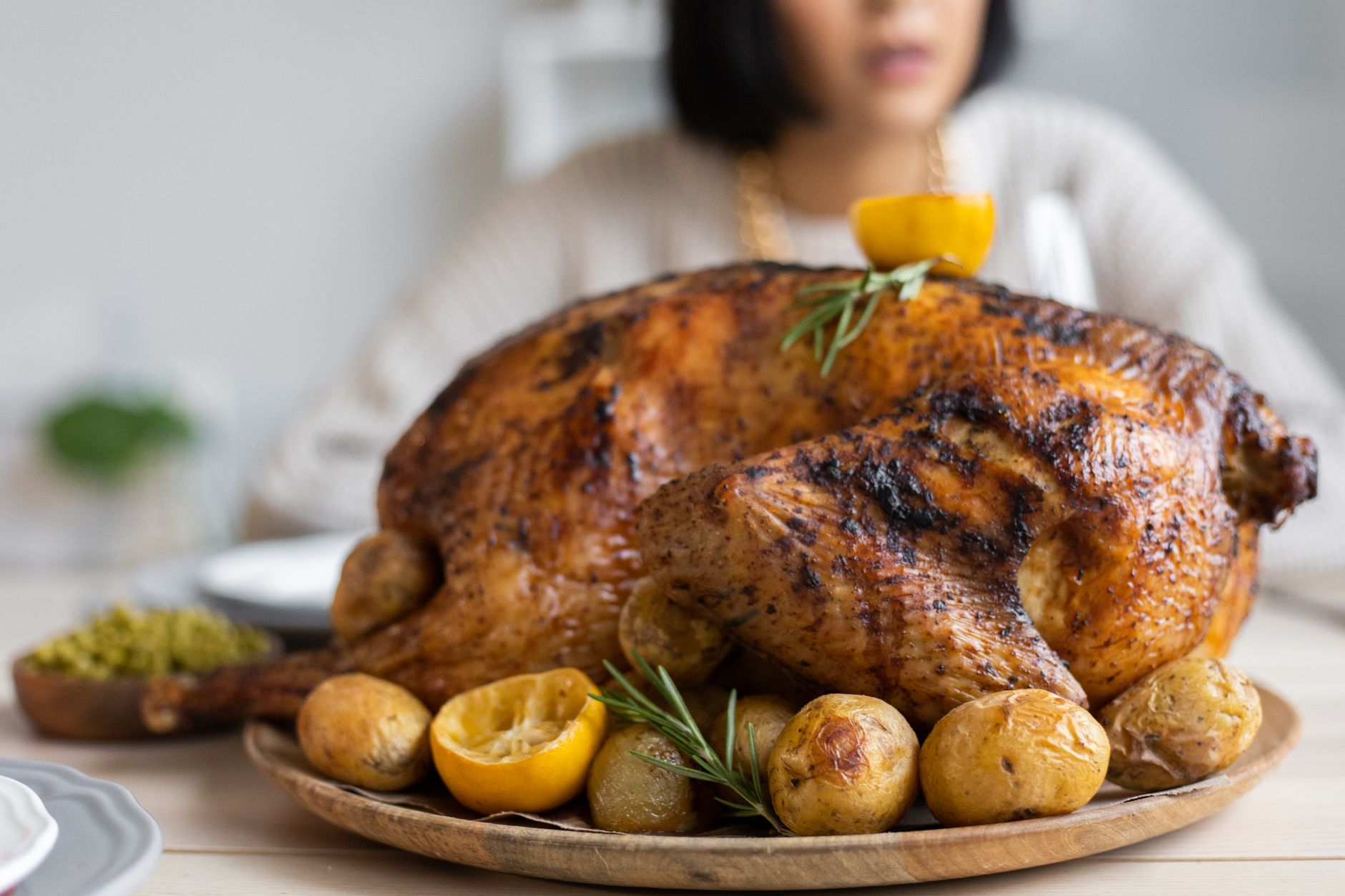
Cooking a 21-pound turkey can be a formidable task, especially if you’re preparing for a large gathering or holiday feast. Knowing the correct cooking time is essential to ensure your turkey is both safe to eat and deliciously moist. This guide will outline everything you need to know about cooking a 21-pound turkey, including recommended cooking times, doneness tips, and useful cooking techniques.
Whether this is your first time cooking a turkey or you’re a seasoned pro, understanding how long to cook a turkey, as well as proper preparation and cooking methods, will make the process smoother.
How Long to Cook 21 Pound Turkey?
To cook a 21-pound turkey, the general guideline is approximately 4 to 4.5 hours in an oven set at 325°F for an unstuffed turkey. If you choose to stuff your turkey, expect to add about 30 minutes to the overall cooking time. Always use a meat thermometer to check for doneness, ensuring the thickest part of the turkey reaches a minimum internal temperature of 165°F.
Understanding Cooking Times
Cooking times for turkey can vary based on several factors including whether the turkey is stuffed or unstuffed, the cooking method, and the oven’s true temperature. Below is a comprehensive breakdown:
Oven Roasting
- Unstuffed: 4 to 4.5 hours
- Stuffed: 4.5 to 5 hours
Deep Frying
- Approximate Time: 3.5 to 4 minutes per pound
Smoking
- Temperature: 225°F – 250°F
- Approximate Time: 30 to 40 minutes per pound (10.5 to 14 hours)
Preparation for Cooking a 21-Pound Turkey
Proper preparation is key to achieving a well-cooked turkey. Here are steps to follow:
Choosing the Right Turkey
When selecting a turkey, consider purchasing a fresh or frozen turkey. If you opt for frozen, allow it to thaw in the refrigerator for 24 hours for every 4 to 5 pounds. For a 21-pound turkey, this means about 4 to 5 days thawing time.
Brining the Turkey
Brining enhances flavor and increases moisture retention during cooking. A simple brine can be made with salt, sugar, and water, along with any desired herbs and spices. Brine the turkey for 12 to 24 hours prior to cooking. If you are interested in a specific brine recipe, check out our detailed Turkey Brine Recipe for Smoking.
Seasoning
After brining (if you choose to do so), be sure to rinse the turkey and pat it dry. Season it generously with salt, pepper, and any additional spices or herbs that fit your taste. Some popular options include garlic powder, onion powder, thyme, rosemary, and sage. Don’t forget to season the cavity as well, where you can add aromatics like onion, lemon, or fresh herbs.
Equipment Required
Having the right tools can help make the cooking process easier and more efficient. The following equipment is recommended:
- Roasting pan (large enough to hold the turkey)
- Rack (to elevate the turkey for even airflow)
- Meat thermometer (for checking doneness)
- Basting brush or ladle (for drizzling pan juices)
- Aluminum foil (for tenting the turkey if necessary)
Step-by-Step Cooking Instructions
Now that your turkey is prepared, follow these steps to cook it:
- Preheat your oven to 325°F (163°C).
- Place the turkey on the rack in the roasting pan, breast side up.
- If desired, tuck the wing tips under the turkey to prevent burning.
- Rub the outside of the turkey with oil or melted butter, and season with salt and pepper.
- If stuffed, loosely fill the cavity with stuffing. Avoid overstuffing.
- Pare the cooking time to around 4 hours for an unstuffed turkey, checking the internal temperature at 4 hours.
- Insert a meat thermometer into the thickest part of the thigh without touching the bone.
- If the turkey is browning too quickly, tent it with aluminum foil.
- Once the thermometer reads 165°F (74°C) in the thigh and 165°F (74°C) in the stuffing, remove the turkey from the oven.
- Allow the turkey to rest for 20 to 30 minutes before carving.
Checking for Doneness
It’s essential to check for doneness to ensure the turkey is safe to eat. Relying on color alone can be misleading, as some turkeys may appear fully cooked while still being underdone.
Using a Meat Thermometer
To accurately gauge doneness, insert a meat thermometer into three different areas of the turkey:
- The thickest part of the breast.
- The thickest part of the thigh.
- The center of the stuffing (if applicable).
All areas should reach a minimum internal temperature of 165°F. Letting the turkey rest after cooking allows the juices to redistribute, resulting in a moister bird.
Common Mistakes to Avoid
Cooking a turkey can be daunting, but avoiding common mistakes can improve your results:
- **Not Allowing for Thawing Time**: Ensure your turkey is fully thawed before cooking for even cooking.
- **Opening the Oven Too Often**: Each time the oven door opens, it releases heat. Check only periodically to maintain a consistent temperature.
- **Inaccurate Oven Temperature**: Use an oven thermometer to verify your oven’s temperature settings and adjust accordingly.
- **Skipping the Resting Period**: Letting the turkey rest allows for better moisture retention.
Food Safety Tips
Food safety is critical when handling and cooking poultry. Here are some essential tips:
- Wash your hands before and after handling raw turkey.
- Use separate cutting boards for raw turkey and other foods to avoid cross-contamination.
- Store leftover turkey in airtight containers within two hours of cooking.
- Refrigerate within two hours and consume leftovers within three to four days.
Storage and Reheating
Proper storage and reheating can enhance the safety and quality of your leftovers:
Storage
To store leftover turkey:
- Cool the turkey and remove all meat from the bones.
- Place in airtight containers, or wrap it tightly in foil or plastic wrap.
- Label and date containers for reference.
Reheating
There are several methods to reheat turkey. The oven method yields the best results:
- Preheat the oven to 325°F.
- Place turkey slices in a baking dish and cover with foil to prevent drying out.
- Heat until the internal temperature reaches 165°F.
Serving Suggestions
When serving your turkey, keep in mind the following:
- Pair it with traditional sides like stuffing, mashed potatoes, and green beans.
- Offer a variety of sauces, like cranberry sauce or gravy.
- Consider garnishing with fresh herbs for a delightful touch.
Making Ahead
If you’re short on time, consider preparing certain elements in advance:
- Season and brine the turkey the night before.
- Prepare stuffing and side dishes a day ahead.
- Set the table and plan the serving arrangement beforehand.
By preparing, organizing, and anticipating your needs, your turkey dinner can become a stress-free celebration.
Cooking a 21-pound turkey may seem daunting, but with the right techniques and understanding of cooking times, it can be an enjoyable experience that leads to a delicious and memorable meal. Remember to prioritize food safety and ensure doneness with accurate measurements.
For further tips on how to cook turkey per pound or to explore our brine recipes, visit our related articles on how long to cook turkey per pound and turkey brine recipe for smoking.