
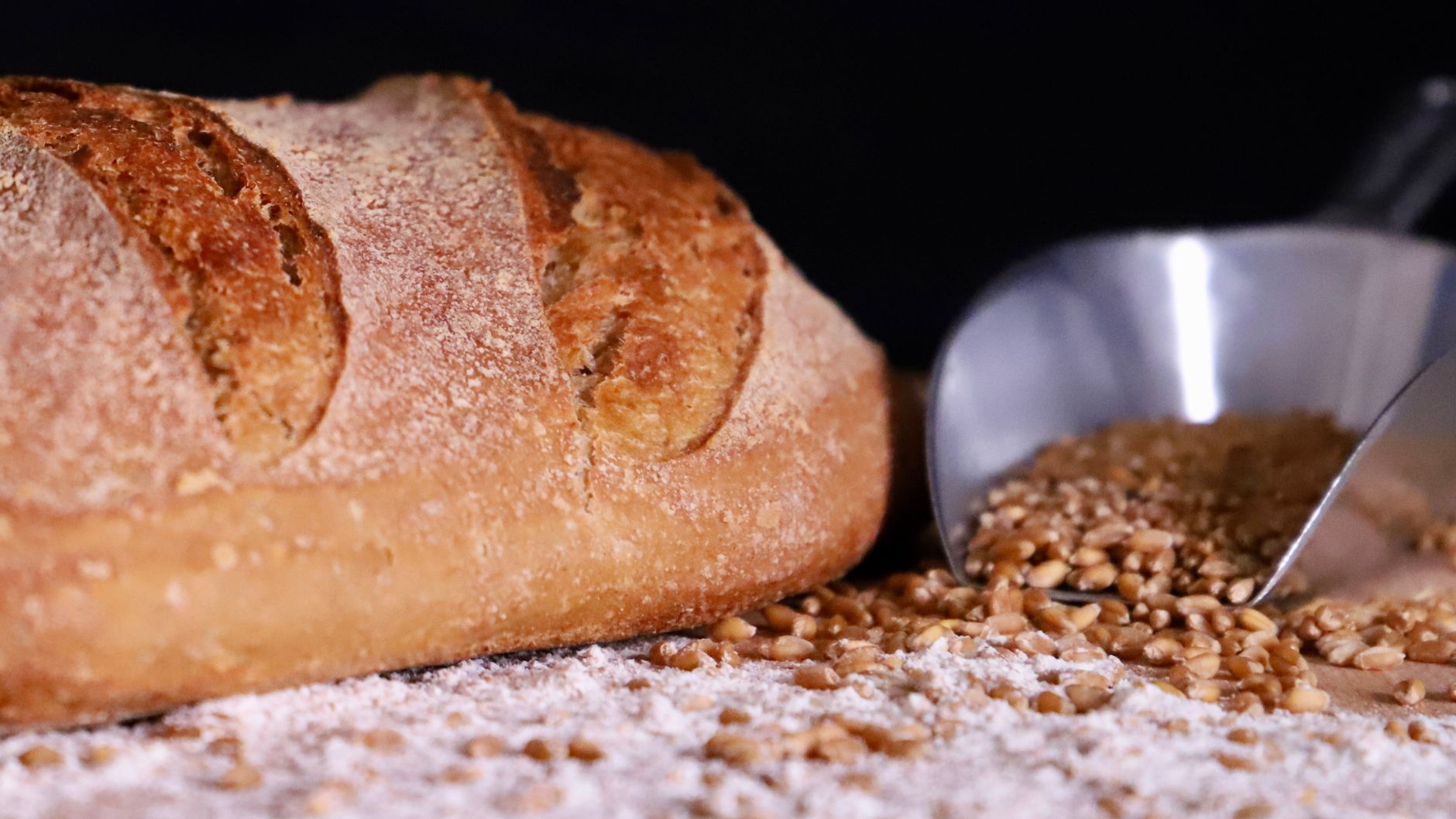
Sourdough bread is a fascinating culinary creation that captivates food enthusiasts worldwide. It is not just bread; it’s a process of fermentation that results in a unique flavor profile and texture. Understanding sourdough bread, from its ingredient composition to its baking methods, enriches one’s appreciation for this timeless staple.
This article delves into what sourdough bread is, how it is made, its various uses, and some creative serving ideas. Whether you’re a baking novice or just curious about this tangy delight, you’ll find the information here truly enlightening.
What Is Sourdough Bread?
Sourdough bread is a type of bread created by the fermentation of dough using naturally occurring lactobacilli and yeast. Unlike traditional bread made with commercial yeast, sourdough relies on a starter culture made from flour and water that captures wild yeast and bacteria from the environment. This ongoing fermentation process not only produces a distinctive tangy flavor but also contributes to its chewy texture and crusty exterior.
History of Sourdough Bread
The origins of sourdough date back thousands of years, making it one of the oldest forms of grain fermentation. It is believed that ancient Egyptians were baking sourdough as far back as 1500 BC. Over the centuries, sourdough has been a vital part of many cultures, appreciated for its flavor, texture, and ability to be stored without spoiling quickly.
Key Ingredients in Sourdough Bread
Understanding the primary ingredients in sourdough bread helps you appreciate the complexity of its flavor and texture.
- Flour: The type of flour used can significantly influence the bread’s flavor and texture. Common choices include all-purpose, whole wheat, and rye flour.
- Water: Typically at room temperature, water is crucial for hydrating the flour and activating the yeast and bacteria in the sourdough starter.
- Sourdough Starter: A mixture of flour and water that has been fermented to cultivate wild yeast and bacteria.
- Salt: Essential for flavor, salt also helps strengthen gluten and control fermentation speed.
Types of Flour Used
The flour chosen can change the characteristics of the sourdough bread. All-purpose flour yields a lighter loaf, while whole wheat adds nuttiness and density. Rye flour can impart a distinct flavor and is often used in combination with other flours for added complexity.
How to Make Sourdough Bread
If you’re interested in making sourdough bread at home, here’s a step-by-step guide to help you through the process.
Yield
This recipe yields one large loaf of sourdough bread.
Preparation Time
- Active time: 45 minutes
- Fermentation: 12-14 hours (varies based on room temperature)
- Baking time: 30-40 minutes
Ingredients
- 500 grams of bread flour (about 4 cups)
- 350 grams of water (about 1.5 cups), at room temperature
- 100 grams of active sourdough starter (about ½ cup)
- 10 grams of salt (about 1.5 teaspoons)
Essential Equipment
- Bowl for mixing
- Bench scraper
- Dutch oven or baking stone
- Kitchen scale for precise measurements
- Proofing basket or bowl lined with a kitchen towel
Step-by-Step Method
- Mix the Dough: In a large mixing bowl, combine the flour and water. Mix until no dry flour remains. Let it rest for about 30 minutes.
- Add Starter and Salt: Add the active sourdough starter and salt into the dough. Mix until fully incorporated.
- Bulk Fermentation: Cover the bowl with a damp cloth and let it sit at room temperature for 4-6 hours. During this time, perform folds every 30 minutes. To do so, wet your hands, grab one side of the dough, stretch it up, and fold it over to the other side. Repeat this on all sides.
- Pre-shape the Dough: After bulk fermentation, lightly flour your work surface and turn the dough out. Shape it into a ball; cover and let it rest for 20-30 minutes.
- Final Shape: Shape the rested dough into your desired loaf shape (round or oval). Use the bench scraper if needed. Place the shaped loaf into a floured proofing basket or bowl lined with a towel, seam side up.
- Final Fermentation: Cover the dough and let it proof for another 2-4 hours at room temperature or refrigerate it overnight for a more complex flavor.
- Preheat the Oven: About 30 minutes before baking, preheat your oven to 450°F (230°C). If using a Dutch oven, place it inside to heat up.
- Bake the Bread: Carefully remove the Dutch oven from the oven. Gently flip the loaf onto parchment paper and score the top with a sharp knife. Place the loaf inside the Dutch oven, cover it, and bake for 30 minutes. Remove the lid and bake for an additional 10-15 minutes, or until the crust is deep brown.
- Cool: Once baked, remove the bread from the oven and transfer it to a wire rack. Let it cool completely before slicing.
Common Mistakes to Avoid
- Using a cold starter: Ensure the starter is active and bubbly; ideally, it should have been fed within the last 4 to 12 hours.
- Skipping the autolyse step: Allowing the flour and water to rest before adding salt and starter enhances gluten development.
- Not monitoring dough temperature: Too warm can lead to overly sour bread; too cool can slow fermentation. Aim for a dough temperature of around 75°F (24°C).
- Insufficient resting time: Patience is key! Allowing adequate bulk fermentation and proofing times builds flavor.
Flavor and Texture
The unique sour flavor and chewy texture of sourdough bread are attributed to the lactic acid produced during fermentation. The longer the dough ferments, the more pronounced the sourness will be. Adjusting the fermentation time allows bakers to customize the flavor profile to their liking.
Uses of Sourdough Bread
Sourdough bread is incredibly versatile and can be used in various dishes and cuisines. Here are some popular ways to enjoy it:
- Sandwiches: Use sourdough slices for sandwiches, where its sturdy texture perfectly supports various fillings.
- Toast: Sourdough toast topped with avocado and a sprinkle of salt makes a delicious breakfast.
- French Toast: Sourdough makes exceptional French toast due to its firm structure, absorbing custard beautifully. Check out a specific recipe for sourdough French toast.
- Croutons: Cut leftover sourdough into cubes, toss with oil and seasonings, and bake until crispy for homemade croutons.
- Dipping: Serve sourdough alongside soups and stews; it’s perfect for dipping.
- With Cheese: Pair it with cheese and charcuterie for a sophisticated appetizer spread.
Serving Ideas for Sourdough Bread
When serving sourdough bread, consider pairing it with complementary flavors and ingredients.
For Breakfast
Toast slices of sourdough and top them with:
- Mashed avocado, a sprinkle of chili flakes, and a drizzle of olive oil.
- Ricotta cheese and honey for a sweet touch.
- Peanut butter and banana for a filling option.
For Lunch or Dinner
- Make a classic grilled cheese sandwich using aged cheddar for a robust flavor.
- Create a rustic bruschetta with chopped tomatoes, basil, and balsamic vinegar.
For Snacks or Appetizers
- Serve with a selection of dips like hummus or tapenade.
- Use it to make mini sandwiches filled with deli meats and cheeses.
Storage and Reheating Tips
Proper storage will help maintain the freshness and flavor of your sourdough bread.
- At Room Temperature: Store in a brown paper bag or a breadbox for up to 3 days to keep the crust crisp.
- In the Freezer: Wrap tightly in plastic wrap or aluminum foil and place in a freezer-safe bag; it can be frozen for up to 3 months. To enjoy, thaw at room temperature.
- Reheating: To restore freshness, slice the bread and toast lightly, or warm the whole loaf in a 350°F (175°C) oven for 10-15 minutes.
Frequently Asked Questions (FAQs)
Can I use whole wheat flour for sourdough?
Yes, whole wheat flour can be used, and it adds a flavorful, nutty character to the bread. Keep in mind that this may result in a denser loaf.
How can I make gluten-free sourdough bread?
Gluten-free sourdough bread can be made using gluten-free flours such as rice flour or almond flour combined with a gluten-free sourdough starter. Adjustments in hydration and baking times may be necessary.
Conclusion
Sourdough bread is more than just a loaf; it’s a delightful mix of art and science that has been cherished for generations. With its rich history, unique flavors, and versatility in the kitchen, it’s worth exploring. Whether you venture into baking your own loaf or experimenting with various serving ideas, sourdough will surely enrich your culinary experiences.
For more detailed information, check out what sourdough is here. Don’t forget to explore more recipes and tips for enhancing your cooking journey!