
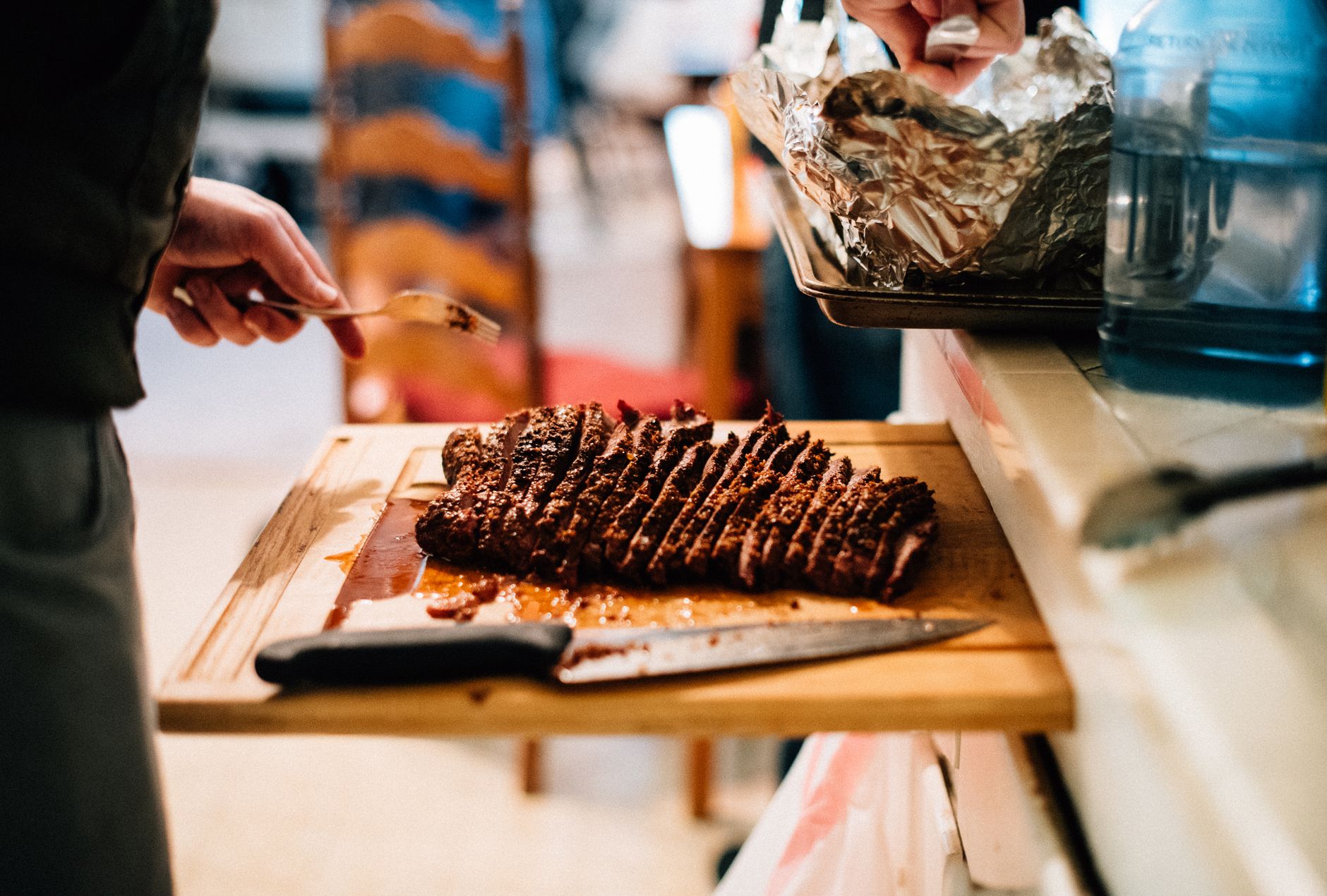
The question of whether Jews eat meat is nuanced and often depends on religious, cultural, and personal preferences. Traditional Jewish dietary laws, known as kashrut, govern the consumption of food, including meat. Understanding these guidelines can help clarify how meat is integrated into Jewish cuisine.
In this article, we will explore the principles of kashrut, the cultural significance of meat in Jewish traditions, and a few popular meat dishes within Jewish cooking. We will also discuss practical cooking techniques and meal-planning strategies for incorporating kosher meat into your meals.
Do Jews Eat Meat?
Yes, many Jews do eat meat, but it must adhere to kashrut, the set of Jewish dietary laws. These laws dictate how animals must be slaughtered, processed, and prepared, ensuring that the meat is kosher and permissible for consumption in Jewish traditions.
Understanding Kashrut: Jewish Dietary Laws
Kashrut is the set of Jewish dietary laws that dictate what is permissible for Jews to eat. It encompasses various categories of food, including meat, dairy, fish, and grains. Below are some key components of kashrut as they pertain to meat consumption.
Types of Meat and Their Sources
According to kashrut, only certain animals are permissible for consumption. The key criteria for land animals are as follows:
- Must have cloven hooves (split hooves)
- Must chew its cud
This means animals like cows, sheep, and goats are kosher, while pigs and camels are not. Additionally, for seafood to be kosher, it must have fins and scales. Thus, shrimp and catfish are not permitted, while salmon and tuna are considered kosher.
Slaughtering and Processing
The method of slaughtering animals, known as shechita, is crucial in kashrut. It requires that a trained individual, called a shochet, carries out the slaughter with a swift and humane cut to minimize suffering. Following the slaughter, the meat must be properly processed to avoid contamination with blood, which is forbidden in Jewish law.
Dairy and Meat Separation
A fundamental aspect of kashrut is the prohibition against mixing meat and dairy. This extends not only to foods but also to utensils, cookware, and dishes. Observant Jews typically have separate sets of cookware for meat and dairy to prevent cross-contamination, which also extends to meal planning.
Cultural Significance of Meat in Jewish Traditions
Meat has played a significant role in many Jewish celebrations and customs. Understanding its cultural importance can enhance one’s appreciation for the various dishes that feature meat in Jewish cuisine.
Shabbat and Festivals
Shabbat, the Jewish Sabbath, is a time for family gatherings and festive meals. It often features celebratory dishes that include meat—like roasted chicken or beef brisket. Major Jewish holidays such as Passover and Rosh Hashanah also include traditional meat dishes, symbolizing abundance, joy, and the importance of community.
Traditional Dishes that Include Meat
Numerous traditional Jewish dishes highlight the significance of meat. Here are some well-loved recipes that incorporate kosher meat:
Brisket
Brisket is a cut of meat from the breast or lower chest of beef. It is known for its rich flavor and tenderness when slow-cooked. Often served during holiday meals and family gatherings, it can be prepared in various styles, including braised or smoked.
Chicken Soup
Chicken soup, often referred to as “Jewish penicillin,” is a comforting dish enjoyed during cold weather or when someone is feeling unwell. It typically combines chicken, vegetables, and herbs simmered together to create a flavorful, nourishing broth.
Cholent
Cholent is a traditional slow-cooked stew made with meat, beans, potatoes, and barley. It is often served on Shabbat since it can be prepared in advance and kept warm overnight. A flavorful mixture of spices contributes to its distinctive taste.
Practical Cooking Techniques for Jewish Dishes
When preparing kosher meat dishes, understanding certain cooking techniques can enhance the flavor and texture of the final product.
Slow Cooking
Many traditional Jewish meat dishes benefit from slow cooking. This method allows tough cuts of meat to become tender while melding flavors. Using a slow cooker or a heavy pot suitable for the oven ensures even cooking.
Marinating
Marinating meat infuses it with flavor and helps tenderize tougher cuts. For kosher meats, use marinades that comply with kashrut, avoiding any dairy ingredients. Common marinating ingredients in Jewish kitchens include olive oil, garlic, herbs, and spices.
Roasting
Roasting is another popular method for meat preparation, especially for chicken or brisket. This technique often combines seasoning the meat with spices before placing it in a preheated oven, helping develop a flavorful, crispy outer layer while keeping the meat juicy inside.
Meal Planning with Kosher Meat
When planning meals that include kosher meat, it’s essential to consider various factors, such as dietary restrictions, meal combinations, and the schedule for preparation and cooking. Below are some tips for effective meal planning.
Incorporating Meat into Your Menu
To effectively incorporate meat into a balanced meal plan, consider the following:
- Choose a mix of protein sources including meat, fish, beans, and legumes.
- Utilize the “meat and potatoes” concept, pairing meats with starches and vegetables.
- Plan dishes that can utilize leftovers creatively, such as transforming roast chicken into chicken soup.
Batch Cooking
Batch cooking is ideal for meat dishes that can easily be made in large quantities, like cholent or brisket. This can save time during busy weeks. Prepare larger portions, then freeze individual portions for future meals. Ensure you follow proper food storage guidelines such as cooling leftovers quickly and storing them in airtight containers.
Meal Combinations
When serving meat dishes, consider cultural and dietary combinations. For example, pair a meat entree with side dishes that complement its flavors. Traditional sides can include:
- Potato kugel
- Seasoned roasted vegetables
- Matzo ball soup
Recipe Ideas: Cooking with Kosher Meat
Here are a couple of delicious recipes that align with Jewish cooking traditions featuring kosher meat.
Cholent Recipe
Cholent is a hearty, slow-cooked stew that incorporates meat alongside beans and potatoes. This recipe is perfect for Shabbat as it can cook overnight.
Ingredients:
- 1 pound bone-in beef brisket
- 1 cup dried beans (e.g., kidney or pinto)
- 4 medium potatoes, quartered
- 1 onion, chopped
- 2 cloves garlic, minced
- 1 tablespoon paprika
- 1 teaspoon cumin
- Salt and pepper to taste
- 4 cups water or beef broth
Equipment:
- Large pot or Dutch oven
- Wooden spoon
- Measuring cups and spoons
- Knife and cutting board
Method:
- Soak the dried beans in water overnight, then drain and rinse.
- In a large pot, add the brisket and brown on all sides over medium heat.
- Add the chopped onions and garlic, sautéing until softened.
- Stir in the beans, potatoes, paprika, cumin, salt, and pepper.
- Pour in the water or beef broth, ensuring all ingredients are submerged.
- Bring to a boil, then cover and reduce the heat to low. Cook for at least 8 hours, or overnight, without lifting the lid.
- Serve warm, ensuring each serving has a generous portion of beans, potatoes, and brisket.
Jewish Apple Cake Recipe
This classic dessert is a delightful way to conclude a meal, combining the flavors of warm spices and fresh apples.
Ingredients:
- 2 cups all-purpose flour
- 1 teaspoon baking soda
- 1 teaspoon ground cinnamon
- 1/4 teaspoon salt
- 1 cup granulated sugar
- 1/2 cup vegetable oil
- 4 large eggs
- 4 cups peeled and sliced apples (e.g., Granny Smith)
- 1 tablespoon lemon juice
Equipment:
- Mixing bowls
- Electric mixer or whisk
- 9×13 inch baking pan
- Oven
Method:
- Preheat the oven to 350°F (175°C).
- In a mixing bowl, whisk together the flour, baking soda, cinnamon, and salt.
- In another bowl, mix the sugar, oil, and eggs until well combined.
- Gradually add the dry ingredients to the wet mixture, blending well.
- Fold in the apples and lemon juice until evenly distributed.
- Transfer the batter to the greased baking pan and smooth the top.
- Bake for 50-60 minutes or until a toothpick inserted in the center comes out clean.
- Cool slightly before slicing and serving. Enjoy!
Common Mistakes to Avoid When Cooking Kosher Meat
To ensure flavorful and successful meat dishes, be aware of these common pitfalls:
- Not allowing meat to come to room temperature before cooking can lead to uneven cooking.
- Using non-kosher ingredients while preparing kosher meat dishes can invalidate the meal’s dietary status.
- Overcooking meat results in a dry and tough texture. Use a meat thermometer to ensure proper doneness.
Storing and Reheating Kosher Meat Dishes
Proper storage and reheating methods are essential for maintaining the quality of kosher meat dishes. Follow these guidelines:
Storage
After cooking, allow meat dishes to cool to room temperature before transferring them to airtight containers. Store in the refrigerator for up to four days, or freeze if keeping for a longer period.
Reheating
When reheating frozen or refrigerated meat, ensure it reaches an internal temperature of at least 165°F (74°C) to ensure safety. Use the stove, oven, or microwave to gently reheat without overcooking.
Conclusion
Whether for cultural, religious, or personal reasons, many Jews do eat meat, provided it follows kashrut guidelines. Understanding these practices enhances appreciation for Jewish culinary traditions, which are rich in flavor and history. As you explore preparing and enjoying kosher meat dishes, consider trying the provided recipes to experience the warmth and flavors of traditional Jewish cuisine.
For related recipes, check out our cholent recipe or this delicious Jewish apple cake recipe. You’ll find new ideas to incorporate into your own cooking adventures.