
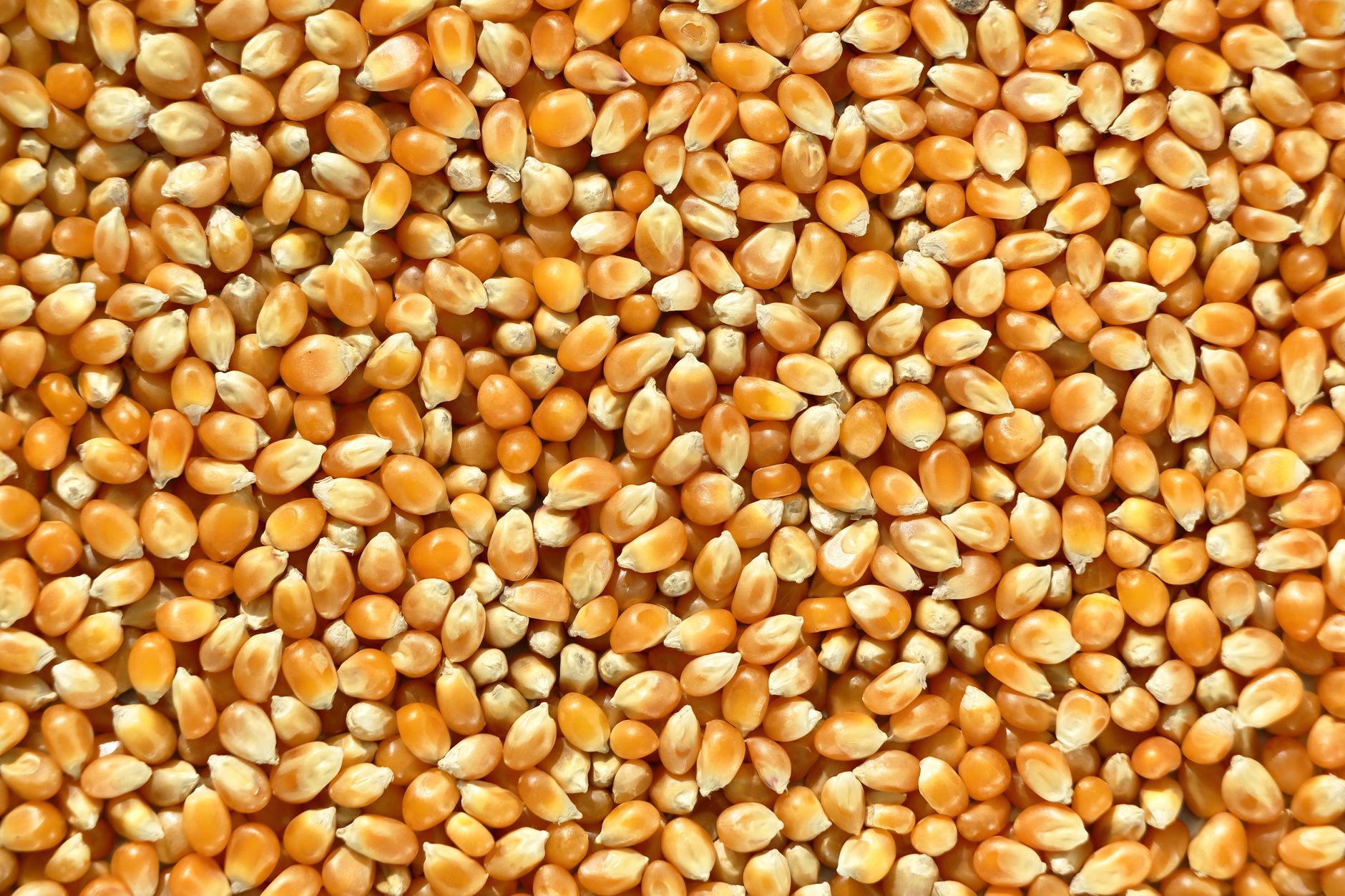
Popcorn is a beloved snack enjoyed at movie theaters, home gatherings, and sporting events. But for those monitoring their carbohydrate intake or exploring the nutritional value of foods, a crucial question arises: is popcorn a carbohydrate? This article will delve into the composition of popcorn, its uses in the kitchen, and tips for making the most out of this versatile snack.
Understanding whether popcorn constitutes a carbohydrate can help in making informed dietary choices. Additionally, popcorn can be a fun and easy snack to prepare, and can even be dressed up in various ways to suit diverse tastes. Let’s explore what makes popcorn a carbohydrate, how it can be utilized in the kitchen, and interesting ways to enjoy it.
Is Popcorn a Carbohydrate?
Yes, popcorn is primarily a carbohydrate. When you analyze its nutritional profile, about 78% of the calories in popcorn come from carbohydrates. In addition to being a source of energy, the carbs in popcorn also include fiber, which is beneficial for digestive health. However, it’s essential to consider the portion size, as that can affect total carbohydrate consumption.
The Nutritional Profile of Popcorn
To better understand popcorn, here’s its nutritional breakdown based on a one-cup serving of air-popped popcorn without any added fats or toppings:
- Calories: 31
- Carbohydrates: 6 grams
- Fiber: 1.2 grams
- Protein: 1 gram
- Fat: 0.4 grams
This profile shows that popcorn is a low-calorie snack, making it popular among those seeking healthier alternatives to chips or other more calorie-dense snacks. The carbohydrates mainly come from starch, which is the primary component of the corn kernels used to pop.
Types of Carbohydrates in Popcorn
Carbohydrates can be classified into two main categories: simple sugars and complex carbohydrates. Popcorn primarily contains complex carbohydrates, particularly starch. This form of carbohydrate is digested more slowly than simple sugars, providing a more sustained energy release.
Fiber Content
The fiber present in popcorn contributes to its health benefits. There are two types of fiber: soluble and insoluble. Popcorn contains mostly insoluble fiber, which aids in digestion by promoting regular bowel movements and helping to prevent constipation.
How to Prepare Popcorn
Popcorn is incredibly easy to prepare and can be made in various ways. Here’s a basic guide to making popcorn at home using different methods:
1. Air-Popped Popcorn
This method is the healthiest way to prepare popcorn, as it requires no added oil or fat.
Equipment Needed:
- Air popper
- Large bowl
Method:
- Set up the air popper according to the manufacturer’s instructions.
- Add popcorn kernels to the machine’s designated chamber.
- Turn on the popper and wait for the kernels to pop into the bowl.
- Once the popping stops, remove the bowl and enjoy plain or seasoned to taste.
2. Stovetop Popcorn
This classic method enhances flavor with a bit of oil.
Equipment Needed:
- Heavy-bottomed pot with a lid
- Measuring cup
- Spoon
Ingredients:
- 1/4 cup popcorn kernels
- 2 tablespoons vegetable oil or coconut oil
Method:
- Heat the oil in the pot over medium heat.
- Add the popcorn kernels and cover the pot with the lid.
- Shake the pot gently to prevent burning, and listen for the popping sounds.
- Remove from heat once the popping slows to about 2 seconds between pops.
- Pour into a bowl and season as desired.
3. Microwave Popcorn
This is the quickest method if you have a microwave-safe bag.
Equipment Needed:
- Microwave
- Microwave-safe bowl (optional)
Ingredients:
- 1 popcorn bag (store-bought, or make your own with 1/4 cup kernels in a brown paper bag)
Method:
- Place the popcorn bag in the microwave and cook according to package instructions (usually 2-4 minutes).
- If using a homemade bag, fold the top to prevent spillage and microwave for about 2-3 minutes.
- Once complete, carefully open the bag and pour the popcorn into a bowl.
Flavoring Your Popcorn
Popcorn can be enjoyed plain, but it’s also a perfect canvas for delicious flavorings. Here are some popular popcorn seasonings to try:
1. Buttery Popcorn
- 2 tablespoons melted butter
- Salt to taste
Drizzle melted butter over hot popcorn and sprinkle with salt. Toss to evenly coat.
2. Cheese Popcorn
- 1/4 cup grated Parmesan cheese or cheese seasoning
- 2 tablespoons melted butter (optional)
Toss popcorn with cheese while still warm for a savory treat.
3. Sweet Kettle Corn
- 2 tablespoons sugar
- Salt to taste
Add sugar to the oil before popping. Once popped, sprinkle with additional salt.
4. Spicy Popcorn
- 1 teaspoon chili powder or cayenne pepper
- Salt to taste
Mix with melted butter or oil and toss with popcorn for a kick.
Common Mistakes When Making Popcorn
While popcorn is simple to make, there are a few common pitfalls to avoid:
- Overheating: If your oil is too hot, the kernels can burn before popping. Always heat it over medium heat.
- Not shaking the pot: If you don’t shake the pot while popping, some kernels can burn while others remain unpopped.
- Not using enough oil: Too little oil can lead to an uneven pop, while too much can make the final product greasy.
Popcorn and Dietary Considerations
For those following specific diets, popcorn’s carbohydrate content can impact your choices:
Low-Carb Diets
Popcorn is relatively low in calories but does contain carbohydrates, so those following a strict low-carb diet should enjoy it in moderation.
Gluten-Free Guidelines
Popcorn is naturally gluten-free, making it a fantastic snack for those with gluten sensitivity or celiac disease.
Vegan-Friendly Snack
When prepared without butter or animal-derived flavorings, popcorn is an excellent vegan snack option.
Popcorn as a Whole Grain
Whole grains are grains that contain all parts of the grain kernel, which includes the bran, germ, and endosperm. Popcorn falls into this category, as it is considered a whole grain. Whole grains are associated with numerous health benefits, including improved heart health and digestion.
Long-Term Storage of Popcorn
To keep popcorn fresh and ready for popping, proper storage is essential:
- Store popcorn kernels in an airtight container in a cool, dry place.
- Popcorn has a shelf life of about 6-12 months, but it can last longer if stored correctly.
- Avoid storing popcorn in the refrigerator, as moisture can affect its ability to pop.
Creative Uses for Popcorn in the Kitchen
Beyond being a great snack on its own, popcorn can be used in various dishes:
1. Popcorn Salad
Combine popcorn with diced vegetables, vinaigrette, and your favorite seasonings for a unique salad.
2. Popcorn Chicken Coating
Crushed popcorn can serve as an alternative coating for baked or fried chicken, adding crunch and flavor.
3. Gourmet Popcorn Mixes
Mix popcorn with nuts, dried fruit, and chocolate for an easy and delicious trail mix.
4. Popcorn Balls
Mold popcorn with melted marshmallows into fun popcorn balls for snacking or parties. Check out delicious popcorn balls recipe.
Conclusion
Popcorn serves as a versatile snack rich in carbohydrates, primarily from complex starches and fiber. It can be prepared easily at home through various methods and flavored to suit diverse palates. With its whole grain status, popcorn is not just a tasty treat but also a healthier snack option when prepared mindfully.
For those looking to expand their popcorn repertoire, consider trying out flavored popcorn or exploring creative recipes that utilize popcorn in new and exciting ways. For more seasoning ideas, check out our popcorn seasoning recipe.