
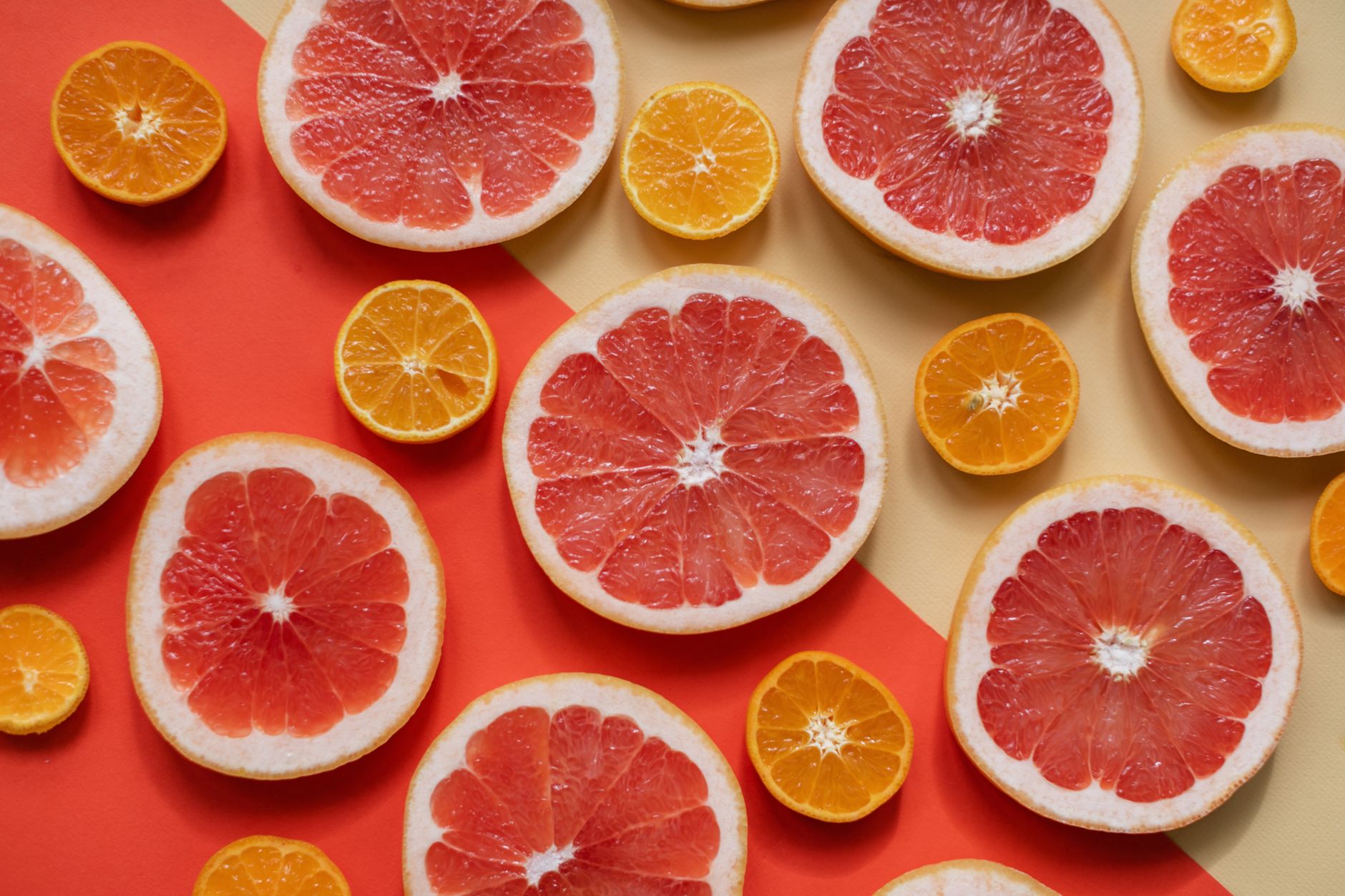
Pregnancy is a time when expectant mothers often scrutinize their diets, seeking nutrient-rich foods while avoiding potential hazards. One fruit that may raise questions is grapefruit. Its tangy flavor and nutritional benefits can be appealing, but there are considerations to note regarding its safety during pregnancy. This article explores whether grapefruit is safe during pregnancy, including potential health benefits, risks, and serving recommendations.
Understanding how grapefruit might interact with medications and its overall contribution to a healthy pregnancy diet is essential. This article provides guidance on how to incorporate grapefruit safely, along with advice on portion sizes and alternatives to consider.
Is Grapefruit Safe During Pregnancy?
Yes, grapefruit can be safe to consume during pregnancy when eaten in moderation and without interactions with specific medications. However, pregnant women should consult their healthcare provider regarding grapefruit intake, especially if they are taking medications that could interact negatively with grapefruit.
Nutritional Profile of Grapefruit
Grapefruit is a low-calorie fruit rich in vitamins, minerals, and antioxidants. Understanding its nutritional profile can help expectant mothers appreciate its potential benefits.
- Vitamin C: Grapefruit is high in vitamin C, which supports the immune system and aids in the absorption of iron.
- Fiber: It contains dietary fiber that can help with digestion and prevent constipation, a common issue during pregnancy.
- Hydration: With a high water content, grapefruit helps maintain hydration, which is crucial during pregnancy.
- Antioxidants: Grapefruit contains antioxidants that may help reduce inflammation and protect against chronic diseases.
Health Benefits of Grapefruit During Pregnancy
In moderation, grapefruit can offer several health benefits for pregnant women:
- Boosts Immunity: The vitamin C in grapefruit helps strengthen the immune system, which may be beneficial as pregnancy can affect maternal immunity.
- Aids Digestion: High fiber content can help alleviate constipation, promoting better digestion.
- Supports Hydration: Consuming grapefruit can help pregnant women stay well-hydrated, which is essential for overall health.
- May Reduce Swelling: The potassium in grapefruit may help reduce swelling and balance fluid levels in the body.
Potential Risks and Considerations
While grapefruit has many health benefits, there are certain risks associated with its consumption during pregnancy:
Medication Interactions
Grapefruit is known to interact with certain medications, affecting their efficacy and metabolism. This is because grapefruit inhibits the enzyme CYP3A4 in the liver, which is responsible for metabolizing many drugs. Pregnant women on specific medications should avoid grapefruit or consult their healthcare provider.
- Common Medications Affected: Some cholesterol-lowering medications, antihistamines, antidepressants, and blood pressure medications.
Acidity and Heartburn
The acidity of grapefruit can exacerbate heartburn, a common issue during pregnancy. Pregnant women who are prone to acid reflux may want to limit their intake to avoid discomfort.
Allergies and Sensitivities
As with any food, some individuals may have an allergy or sensitivity to grapefruit. Pregnant women who experience any adverse reactions should discontinue consumption and consult a healthcare professional.
How to Safely Include Grapefruit in a Pregnancy Diet
Here are some practical tips for including grapefruit in a pregnancy diet safely:
Portion Sizes
Moderation is key when consuming grapefruit during pregnancy. A typical serving size is half a grapefruit or one small grapefruit per day. It’s essential to listen to your body and monitor how you feel after consumption.
Ways to Enjoy Grapefruit
There are several delicious ways to incorporate grapefruit into your meals:
- Fresh: Simply cut a grapefruit in half and enjoy it fresh, possibly with a sprinkle of sugar or honey if desired.
- Juice: Freshly squeezed grapefruit juice can be refreshing, but it’s advisable to limit juice intake, as it contains concentrated sugars.
- Salads: Add grapefruit segments to salads for a burst of flavor. They pair wonderfully with spinach, avocado, and nuts.
- Salsa: Combine grapefruit with onion, cilantro, and lime for a zesty salsa that goes well with fish or chicken.
Pairing with Other Foods
Combining grapefruit with other foods can enhance its flavor and nutritional value. Here are some suggestions:
- Yogurt: Add grapefruit segments to plain yogurt for a satisfying snack or breakfast option.
- Cereal or Oatmeal: Include grapefruit in your morning cereal or oatmeal for added brightness and acidity.
- Herbs and Spices: Pair it with mint, basil, or a pinch of cayenne for an interesting flavor twist.
Alternatives to Grapefruit
If grapefruit may not be suitable for you, there are several alternatives that offer similar flavor profiles and nutritional benefits:
- Oranges: Less acidic and still high in vitamin C, oranges are a sweet alternative to grapefruit.
- Pineapple: Pineapple provides sweetness and digestive enzymes that may aid in digestion.
- Kiwi: This fruit is rich in vitamin C and fiber, making it a healthy choice for pregnancy.
Frequently Asked Questions
Can I eat grapefruit if I’m not on medication?
If you are not taking medications that interact with grapefruit, it is generally safe to consume in moderation. Always consult your healthcare provider if uncertain.
What are the signs of grapefruit allergy?
Signs of grapefruit allergy may include hives, swelling, difficulty breathing, or gastrointestinal distress. Consult a healthcare professional if you suspect an allergy.
How can I manage heartburn while eating grapefruit?
To prevent heartburn, consider having smaller portions of grapefruit and pairing it with bland foods. If heartburn persists, reduce or eliminate grapefruit from your diet.
Summary
Grapefruit can be a healthy addition to a pregnancy diet when consumed mindfully and in moderation. Pregnant women should be aware of the potential medication interactions and listen to their bodies regarding any discomfort. When enjoyed responsibly, grapefruit offers numerous health benefits and can certainly add zest to your meals.
If you are looking to expand your culinary repertoire during pregnancy, consider exploring delicious and healthy recipes. For example, try a chia pudding recipe featuring coconut milk for a nutritious breakfast, or learn about the benefits of chia seeds, which can be a versatile addition to your diet.