
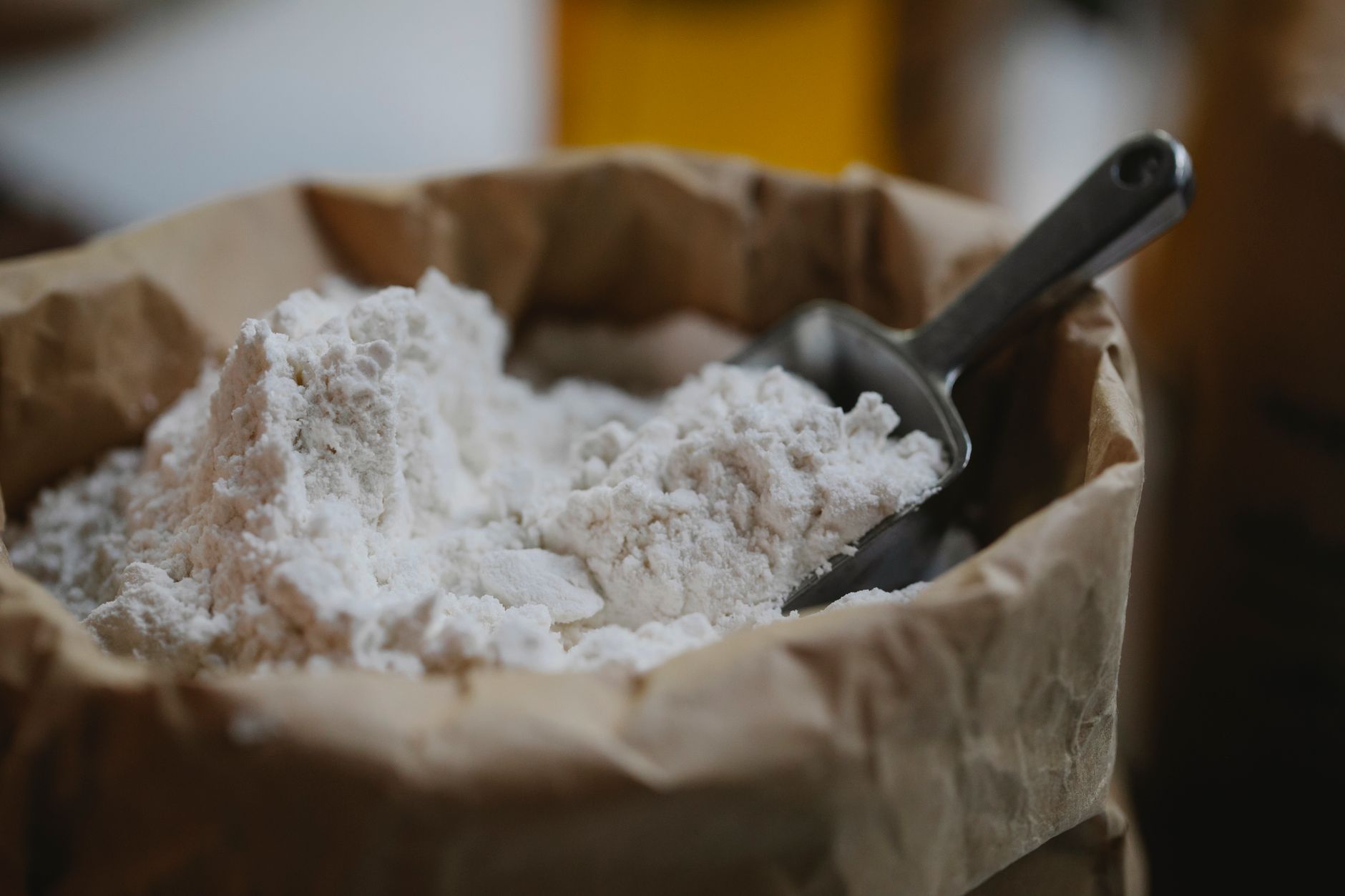
Einkorn flour, derived from one of the oldest cultivated grains, has garnered attention for its potential health benefits. With its unique nutritional profile and flavor, many are curious to know if it truly stands as a healthier alternative to modern wheat flours. This article explores the health aspects of einkorn flour, its nutritional content, and considerations for incorporating it into your diet.
As we delve into the attributes of einkorn flour, it’s crucial to understand what makes it distinct from other flours. Described as nutty and rich by many, einkorn flour is not only a versatile ingredient but potentially a more nutrient-dense choice. Let’s explore the health benefits and nutritional facts surrounding this ancient grain.
Is Einkorn Flour Healthy?
Einkorn flour can be considered a healthy option for many, thanks to its remarkable nutritional profile. Compared to modern wheat, einkorn boasts higher levels of certain vitamins, minerals, and protein, making it a compelling choice for those looking to enhance their diet. However, individuals with specific dietary restrictions or gluten sensitivities should evaluate its suitability carefully.
What Makes Einkorn Flour Unique?
Einkorn flour originates from a type of wheat known as Triticum monococcum, which is distinct from the hybridized varieties prevalent today. This ancient grain has not only a different genetic makeup, but it also retains many nutrients that are often stripped away in more refined flour. Let’s break down the key characteristics that set einkorn flour apart.
Nutritional Profile
Here are some important nutritional facts about einkorn flour:
- Protein: Einkorn flour contains around 15% protein, which is higher than conventional wheat flour.
- Fats: It contains a healthy balance of fats, with a higher percentage of essential fatty acids.
- Fiber: Einkorn flour is rich in dietary fiber, promoting better digestive health.
- Vitamins and Minerals: It’s packed with essential nutrients such as B vitamins, magnesium, zinc, and iron.
- Antioxidants: Einkorn flour contains antioxidants that may contribute to reduced inflammation within the body.
Higher Nutritional Benefits
The superior nutritional profile of einkorn flour offers several potential health benefits:
- Digestive Health: The fiber content aids in digestion and promotes regularity, which can assist in overall gut health.
- Blood Sugar Control: Einkorn may have a lower glycemic index compared to refined flours, leading to steadier blood sugar levels.
- Antioxidant Properties: The presence of antioxidants helps combat oxidative stress in cells, potentially reducing the risk of chronic diseases.
- Nutrient Absorption: The mix of vitamins and minerals enhances nutritional absorption, leading to better overall health.
Considerations for Using Einkorn Flour
While einkorn flour presents numerous health advantages, there are also several considerations to keep in mind when incorporating it into your diet.
Gluten Content
Although einkorn has gluten, its gluten structure is different from that of modern wheat. This makes it easier to digest for some individuals, but it is still not suitable for those with celiac disease or severe gluten sensitivity. If you have gluten-related concerns, it’s essential to consult with a healthcare professional before trying einkorn flour.
How to Substitute Einkorn Flour in Recipes
When substituting einkorn flour in recipes, it may behave differently than all-purpose or bread flour. Some guidelines to keep in mind include:
- Ratio: When replacing all-purpose flour with einkorn, you can generally use the same amount by weight; however, use 20% less when measuring by volume.
- Liquid Adjustment: Einkorn flour may absorb more moisture, so you may need to adjust the liquid content in your recipe.
- Kneading and Baking: Einkorn dough may require less kneading and has a shorter rise time than wheat dough. Be cautious not to overwork the dough.
How to Use Einkorn Flour in Your Kitchen
Incorporating einkorn flour into your cooking and baking can be an enjoyable way to explore its unique flavor and health benefits. Here are a few ideas on how to best utilize this flour.
Baking with Einkorn Flour
Einkorn flour can be used in a variety of baked goods. From bread to pastries, it can add a distinctive flavor and nutty aroma. Some practical uses include:
- Breads: Many bakers enjoy making artisan breads using einkorn flour, which often yield a denser texture and hearty aroma.
- Pancakes and Waffles: Use einkorn flour in pancake or waffle batter for a nutrient-rich breakfast option.
- Cakes and Muffins: Although more experimental, you can create delicious cakes and muffins by substituting einkorn flour partway.
Cooking with Einkorn Flour
Beyond baking, einkorn flour can also be used creatively in cooking. Consider these suggestions:
- Thickening Agent: Use einkorn flour as a thickener for soups and sauces, offering a unique flavor profile compared to traditional thickeners.
- Pasta Making: Fresh pasta made with einkorn flour can boast a richer flavor and texture than standard pasta.
- Coating for Fried Foods: Use it as a coating for frying to add a nutty flavor to chicken or vegetable dishes.
Common Mistakes When Using Einkorn Flour
While cooking with einkorn flour can be rewarding, some common pitfalls can occur:
- Incorrect Measurements: Be mindful of how you measure flour; weight is more accurate than volume.
- Overworking the Dough: Avoid excessive mixing or kneading, as einkorn flour is delicate.
- Ignoring Liquid Needs: Not adjusting the liquids in your recipes can lead to dry baked goods.
Storage of Einkorn Flour
Proper storage of einkorn flour is essential to maintain its freshness and quality:
- Cool and Dry Place: Store flour in a cool, dry place in an airtight container to prevent moisture absorption and spoilage.
- Refrigeration or Freezing: For long-term storage, consider refrigerating or freezing the flour, which can extend its shelf life significantly.
- Check Expiry Dates: Be mindful of the use-by date and use as needed to ensure freshness.
Conclusion
Einkorn flour offers a range of health benefits thanks to its unique nutritional properties. While it may not be suitable for everyone, those interested in exploring ancient grains will find it a flavorful and health-conscious choice. Its versatility in various recipes makes it an exciting addition to any kitchen.
If you’re looking for ways to incorporate this nutritious flour into your diet, consider exploring the einkorn bread recipe or even try a sourdough variation to fully appreciate its rich flavor. Enjoy experimenting with this ancient grain!