
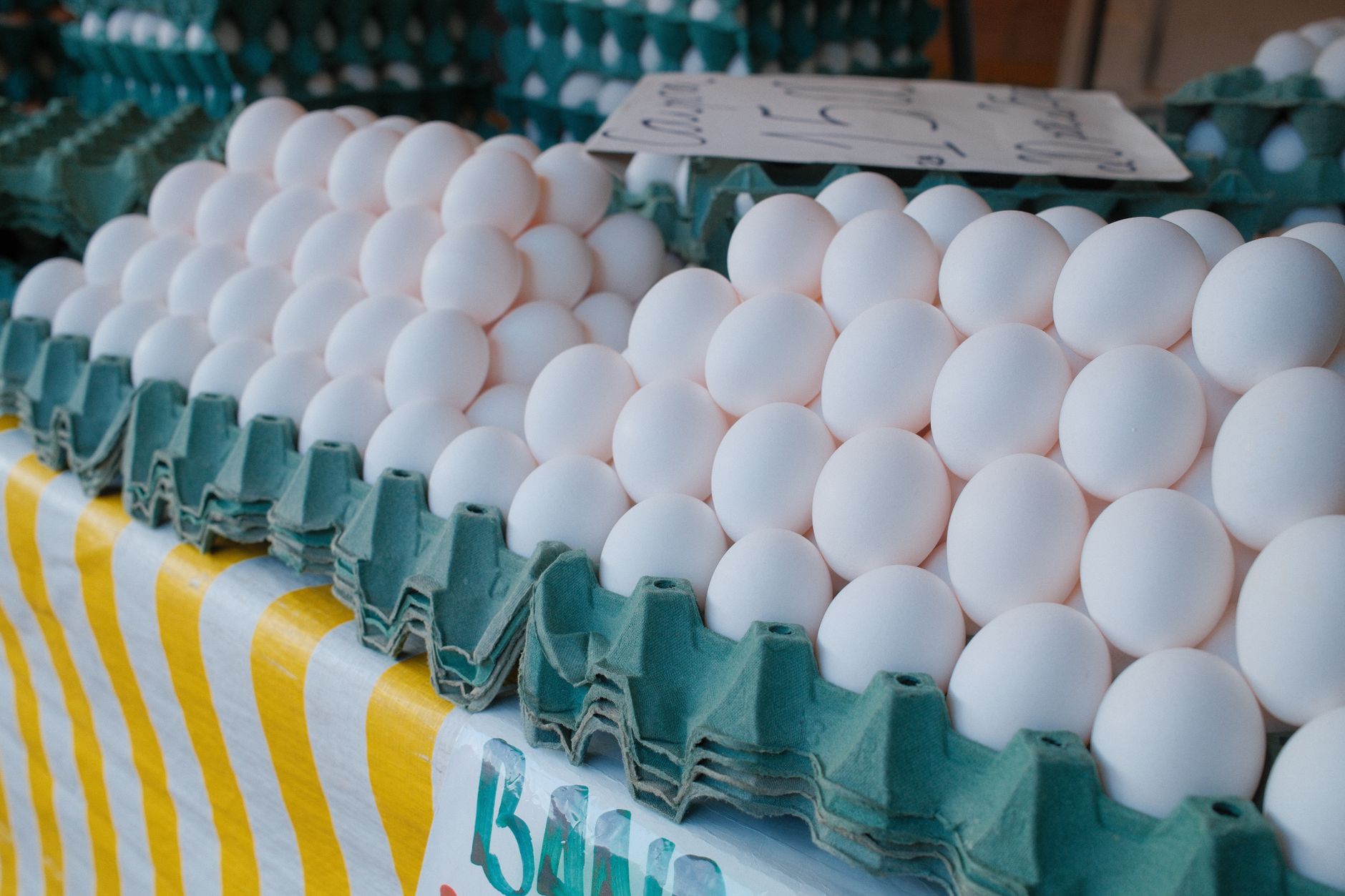
The topic of an egg shortage has sparked interest among consumers, especially in recent years as food supply chains have experienced significant disruptions. Whether it’s due to avian flu outbreaks, labor shortages, or inflationary pressures, understanding the current state of egg availability is essential for anyone keen on meal planning, baking, or incorporating eggs into daily recipes.
This article aims to address the question of whether there is an egg shortage, explore its implications on cooking and baking, and provide guidance on how to continue enjoying eggs in your meals with practical tips on storage, substitution, and serving ideas.
Is There An Egg Shortage?
Yes, as of now, there is a significant egg shortage in some regions. Factors contributing to this include an outbreak of avian influenza that led to the culling of millions of egg-laying hens and economic challenges resulting in higher production costs. Such shortages can lead to increased prices at grocery stores, prompting consumers to reconsider meal plans that heavily rely on eggs.
The Factors Behind the Egg Shortage
Understanding the complexities behind the egg shortage requires examining a few critical factors:
- Avian Influenza: This viral infection has resulted in large-scale culling of infected poultry, drastically reducing the number of laying hens available.
- Production Costs: Rising feed prices and labor shortages due to various economic factors have made it more expensive for farmers to produce eggs.
- Supply Chain Disruptions: The COVID-19 pandemic highlighted vulnerabilities in supply chains, affecting everything from transportation to logistics, leading to inconsistencies in egg availability.
Implications for Cooking and Baking
With the ongoing egg shortage, home cooks and bakers may need to adjust their strategies in the kitchen. Here’s how:
Understanding Egg Substitutes
If eggs are hard to come by in your area, consider these reliable substitutes that can mimic their properties in various dishes:
- Flaxseed Meal: Mix 1 tablespoon of flaxseed meal with 2.5 tablespoons of water. Let it sit for 10-15 minutes until it thickens. This works well in baking.
- Chia Seeds: Similar to flaxseeds, combine 1 tablespoon of chia seeds with 2.5 tablespoons of water and let it sit until gel-like. Great for cakes and muffins.
- Applesauce: Use 1/4 cup of unsweetened applesauce to replace one egg in recipes. It adds moisture and sweetness, ideal in baked goods.
- Yogurt: Use 1/4 cup of yogurt as a substitute for one egg, especially in pancakes and muffins — it improves texture and flavor.
- Banana: Mashed ripe banana can replace eggs in smoothies or baked goods. Use 1/4 cup ripe banana for each egg.
Adapting Recipes
Many traditional recipes can adapt well to egg substitutes without sacrificing taste or texture. Here’s how to modify some common recipes:
- Pancakes: Replace eggs with 1/4 cup of applesauce or a flaxseed mixture for fluffy pancakes.
- Cookies: Substitute one egg with 1/4 cup of peanut butter, making for a rich, nutty cookie.
- Cakes: Use yogurt as a replacement in cakes for moisture without altering taste significantly.
Shopping Tips During an Egg Shortage
Here are some practical tips for shopping during an egg shortage:
- Check Local Farms: Buying directly from local farmers may yield more consistent supplies than retail stores.
- Explore Different Grocery Stores: Some stores may have different supply chains and might not experience the same shortages.
- Consider Alternatives: Evaluate egg substitutes or alternative sources of protein, such as tofu, which can be used in certain dishes.
Storage and Preservation of Eggs
Understanding how to properly store eggs can help maximize their shelf life and ensure consistency in your cooking. Here are key points to consider:
How to Store Eggs
Follow these guidelines to store eggs effectively:
- Refrigeration: Store eggs in their carton in the refrigerator. The carton helps protect eggs from absorbing odors and maintains moisture.
- Expiration Dates: It’s essential to pay attention to the sell-by and expiration dates on egg cartons. However, properly refrigerated eggs can remain fresh for several weeks beyond these dates.
- Freezing Eggs: If you buy in bulk, consider cracking and lightly beating whole eggs or separating yolks and whites to freeze for use later. This can extend your egg supply without waste.
How Long Can You Keep Eggs?
Understanding the optimal storage duration for eggs is crucial. Generally, raw eggs can last up to 3-5 weeks in the refrigerator. Once boiled, eggs can remain safe for consumption for about one week if stored in the fridge.
For detailed guidance on how long you can keep eggs in the refrigerator, refer to resources that focus on food storage practices.
Food Safety Considerations
Egg safety is paramount. Here are some food safety tips when handling eggs:
- Wash Hands: Clean your hands, surfaces, and utensils that come in contact with raw eggs to prevent cross-contamination.
- Cook Thoroughly: Cook eggs until both the whites and yolks are firm to minimize the risk of foodborne illnesses.
- Avoid Raw Eggs: Unless using pasteurized eggs, avoid recipes that call for raw or undercooked eggs.
Creative Uses for Eggs
Despite the current challenges, eggs remain a versatile ingredient in various dishes. Here are some exciting ways to use eggs in your cooking:
Breakfast Ideas
- Scrambled Eggs: Simple yet delicious, scrambled eggs can be jazzed up with herbs, cheese, or vegetables.
- Egg Muffins: Combine beaten eggs with veggies and cheese, pour them into muffin tins, and bake for portable breakfast bites.
- Shakshuka: Poached eggs in a rich tomato sauce combined with spices create a hearty breakfast option.
Lunch Ideas
- Quiche: A creamy egg and cheese filling in a flaky crust allows for endless vegetable combinations — perfect for meal prep.
- Salads: Add hard-boiled eggs to salads for extra protein; they complement spinach and avocado excellently.
- Deviled Eggs: A classic appetizer, deviled eggs can be enhanced with flavors like avocado or spicy mustard.
Dinner Ideas
- Frittata: This versatile Italian dish uses eggs combined with various fillings — ideal for utilizing leftover vegetables.
- Egg Drop Soup: A gentle soup where beaten eggs are swirled into hot broth, creating silky egg ribbons.
- Carbonara: A pasta dish that combines eggs, cheese, and pancetta, creating a creamy sauce without cream.
Dessert Ideas
- Custards: Eggs are essential for creating rich, creamy custards perfect for tarts or pies.
- Meringues: Use egg whites to make meringues, which can serve as a topping or a delightful standalone treat.
- Cakes: Almost every cake recipe relies on eggs for texture and flavor — think of classic sponge or pound cakes.
Final Thoughts on Serving and Enjoying Eggs
With an understanding of the current egg shortage, it’s vital to adapt by incorporating substitutes, maintaining proper storage, and exploring diverse recipes that utilize eggs. Eggs provide essential nutrients and make any meal, from breakfast to dessert, satisfying and nourishing.
The egg shortage challenges consumers, but with some planning and creativity, you can continue to enjoy the benefits and flavors that eggs bring to your dishes. Consider diversifying your cooking repertoire and adapting recipes when necessary to keep your meals exciting and complete.
For further exploration on egg storage and shelf life, check out how long you can keep eggs in the refrigerator or how long eggs last after the sell-by date.