
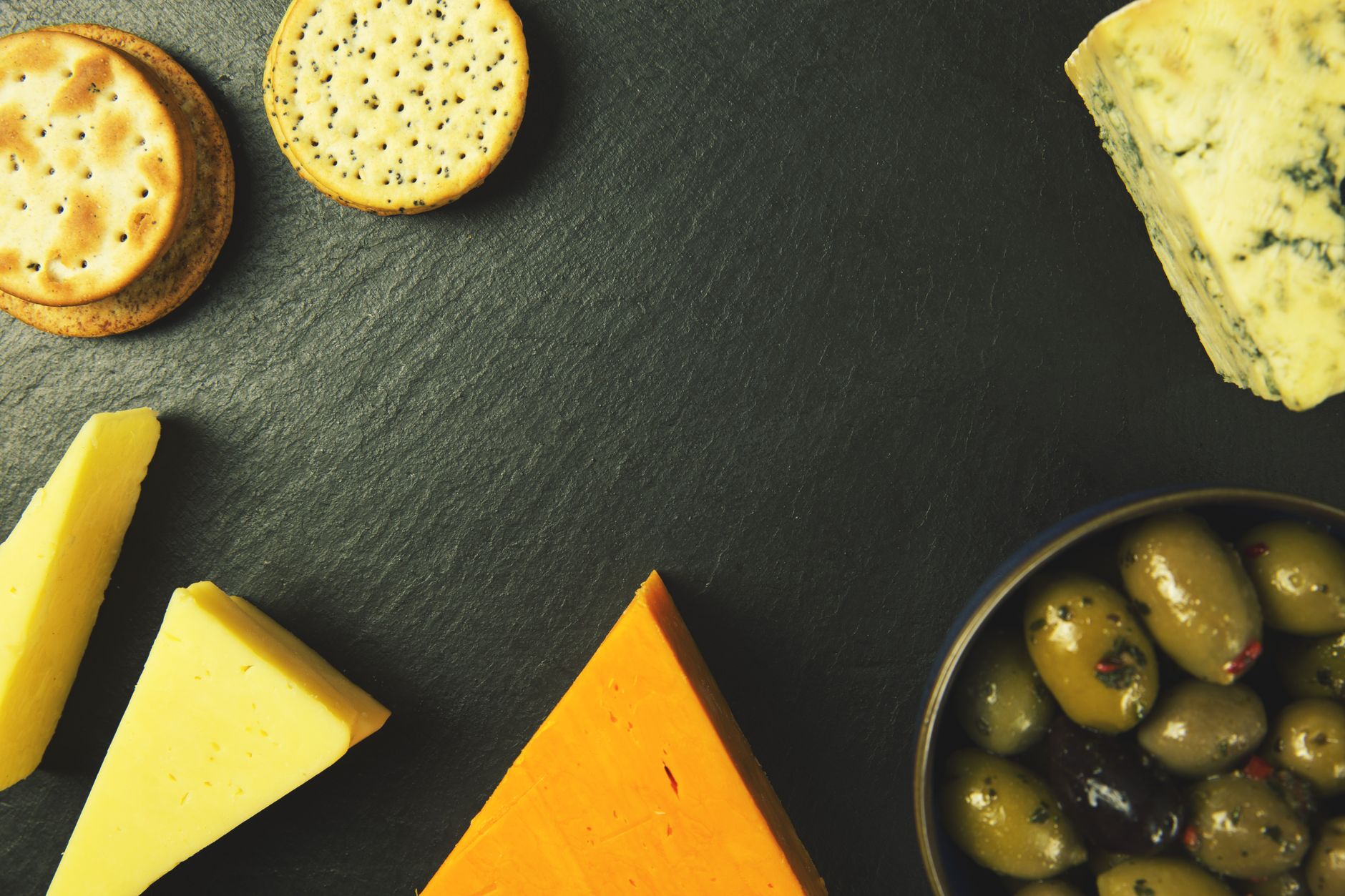
When it comes to managing cholesterol levels, choosing the right types of cheese can be beneficial without sacrificing flavor. Understanding the fat content, type of fat, and other nutritional elements in cheese can guide your choices for a heart-healthy diet. Here’s an in-depth look at which cheeses are good for cholesterol and how to incorporate them into your meals.
Many people may not realize that not all cheeses are created equal. Some may contribute to higher cholesterol levels, while others can fit into a balanced diet with moderate consumption. This guide will help you understand which cheeses are generally considered heart-healthy and provide practical tips on portion sizes and meal planning.
What Cheese Is Good for Cholesterol?
Cheeses that are lower in saturated fat and sodium are often better choices for those looking to manage their cholesterol. Options like cottage cheese, ricotta, and some goat cheeses tend to have a more favorable fat profile, making them suitable additions to a cholesterol-conscious diet. Incorporating these options in moderation can enhance your meals while being mindful of heart health.
Understanding Cholesterol and Cheese
Cholesterol is a waxy substance found in your blood that is necessary for building healthy cells. However, having high levels of low-density lipoprotein (LDL) cholesterol can increase your risk of heart disease and stroke. The types of fats in cheese play a significant role in cholesterol levels. Saturated fats can raise LDL cholesterol, while unsaturated fats may improve cholesterol levels when consumed in moderation.
Cheese varies in its composition of fats, proteins, and sodium, making certain types better suited for a health-conscious diet. Understanding how to read nutritional labels and identify the right choices can help reduce overall cholesterol intake.
Choosing Heart-Healthy Cheeses
Here are some heart-healthy cheese options that are generally better for cholesterol:
Cottage Cheese
Cottage cheese is low in fat and high in protein, making it an excellent choice for those watching their cholesterol. It is versatile and can be used in both savory and sweet dishes.
Ricotta Cheese
Ricotta is lower in fat than many other cheeses, particularly when made from skim milk. It is creamy and mild, perfect for incorporating into pastas, desserts, or as a topping for whole-grain crackers.
Goat Cheese
Goat cheese generally has less saturated fat compared to cow’s milk cheese. Its tangy flavor enhances salads, spreads, and various dishes, making it a flavorful option for cholesterol-conscious eating.
Parmesan
Parmesan cheese, while high in sodium, can provide a lot of flavor in small amounts. Its hard texture allows it to be used sparingly as a topping, which helps keep portions in check.
Feta Cheese
Feta, particularly in its reduced-fat version, can be a good choice. It adds salty flavor to salads and Mediterranean dishes, working well in moderation.
Swiss Cheese
Swiss cheese is another option with lower fat content than many other cheese varieties. It’s mild and can be used in sandwiches or melted over dishes.
Portion Control and Serving Suggestions
Portion control is essential when consuming cheese to manage cholesterol. Here are some practical serving sizes and ideas for incorporating cheese into your diet:
- Cottage Cheese: 1/2 cup serving can be paired with fruits or used in smoothies.
- Ricotta: Spread 2 tablespoons on whole-grain toast or mix into pasta dishes.
- Goat Cheese: Crumble about 1 ounce over salads or use in omelets.
- Parmesan: Grate about 1 tablespoon over pasta or soups for added flavor.
- Feta: Use 1 ounce in salads or grain bowls for a burst of flavor.
- Swiss Cheese: Use 1 ounce in sandwiches or melted over vegetables.
Incorporating Cheese into Meals
Here’s how to incorporate heart-healthy cheeses into your daily meals:
Breakfast Ideas
- Mix cottage cheese with fresh fruit and a sprinkle of cinnamon for a nutritious breakfast bowl.
- Spread ricotta on whole grain bread topped with sliced tomato and a drizzle of olive oil.
Lunch Options
- Create a salad with spinach, crumbled goat cheese, walnuts, and a light vinaigrette.
- Make a whole grain sandwich with Swiss cheese, turkey, and plenty of veggies.
Dinner Choices
- Stir ricotta into marinara sauce, serving it over whole wheat pasta with a sprinkle of parmesan.
- Make stuffed peppers filled with quinoa, feta, and spices.
Snack Suggestions
- Top whole grain crackers with goat cheese and a slice of roasted red pepper.
- Mix diced feta with olives and cherry tomatoes as a light dip for veggies.
Considering Cheese Alternatives
For those who may want to reduce dairy consumption or are lactose intolerant, there are cheese alternatives available:
- Plant-based cheeses made from nuts, soy, or coconut can offer similar textures and flavors.
- Look for options that are lower in saturated fat and enriched with vitamins.
Common Mistakes and Troubleshooting
When integrating cheese into a cholesterol-conscious diet, several common mistakes can occur:
- Overindulgence: Cheese can be calorie-dense; portion control is key.
- Neglecting sodium content: Many cheeses are high in sodium, which can also affect heart health.
To ensure you are making wise cheese choices, always check labels for fat and sodium content. Stick to moderate portions, and consider mixing different types of cheese for variety without overdoing it.
Storing Cheese Properly
Proper cheese storage can help extend its shelf life and preserve taste:
- Wrap cheese tightly in plastic wrap or wax paper and place it in an airtight container.
- Store cheese in the refrigerator, ideally in its dedicated cheese drawer.
- Avoid freezing cheese as it may change texture and flavor.
Always check for visual cues like mold or off smells before consuming stored cheese, as these signs indicate that it may no longer be fresh.
Creative Recipes Using Cholesterol-Friendly Cheese
Here are a couple of simple recipes that incorporate heart-healthy cheeses:
Cottage Cheese Pancakes
These pancakes are high in protein and low in fat, making them a great breakfast option.
- 1 cup of cottage cheese
- 1 cup of rolled oats
- 2 eggs
- 1 teaspoon of baking powder
- 1 teaspoon vanilla extract
- Cooking spray or olive oil for the pan
- In a bowl, blend the cottage cheese, oats, eggs, baking powder, and vanilla until smooth.
- Heat a non-stick skillet over medium heat and spray with cooking spray or add a small amount of olive oil.
- Pour about 1/4 cup of the batter onto the skillet and cook until bubbles form, about 3-4 minutes.
- Flip and cook on the other side until golden brown. Repeat with the remaining batter.
Ricotta Spinach Stuffed Shells
This dish is a flavorful and nutritious dinner option that brings together pasta and ricotta.
- 12 large pasta shells
- 1 cup of ricotta cheese
- 2 cups of fresh spinach, chopped
- 1/2 cup of marinara sauce
- 1/4 cup of grated parmesan cheese
- Salt and pepper to taste
- Preheat the oven to 375°F (190°C).
- Cook the pasta shells according to package instructions, drain, and set aside.
- In a bowl, mix together ricotta, spinach, parmesan, salt, and pepper.
- Fill each pasta shell with the ricotta mixture and place them in a baking dish.
- Pour marinara sauce over the shells and sprinkle with extra parmesan if desired.
- Bake for 25-30 minutes until heated through and bubbly.
Exploring Further
Incorporating cheese into a heart-healthy diet is manageable with informed choices on portion sizes and types. By focusing on lower-fat options and being mindful of salt intake, you can enjoy cheese without compromising your health.
To enhance your meals and discover more about cooking with healthier options, check out our cottage cheese brownie recipe for a sweet treat and our whipped ricotta recipe for something creamy and delicious!