
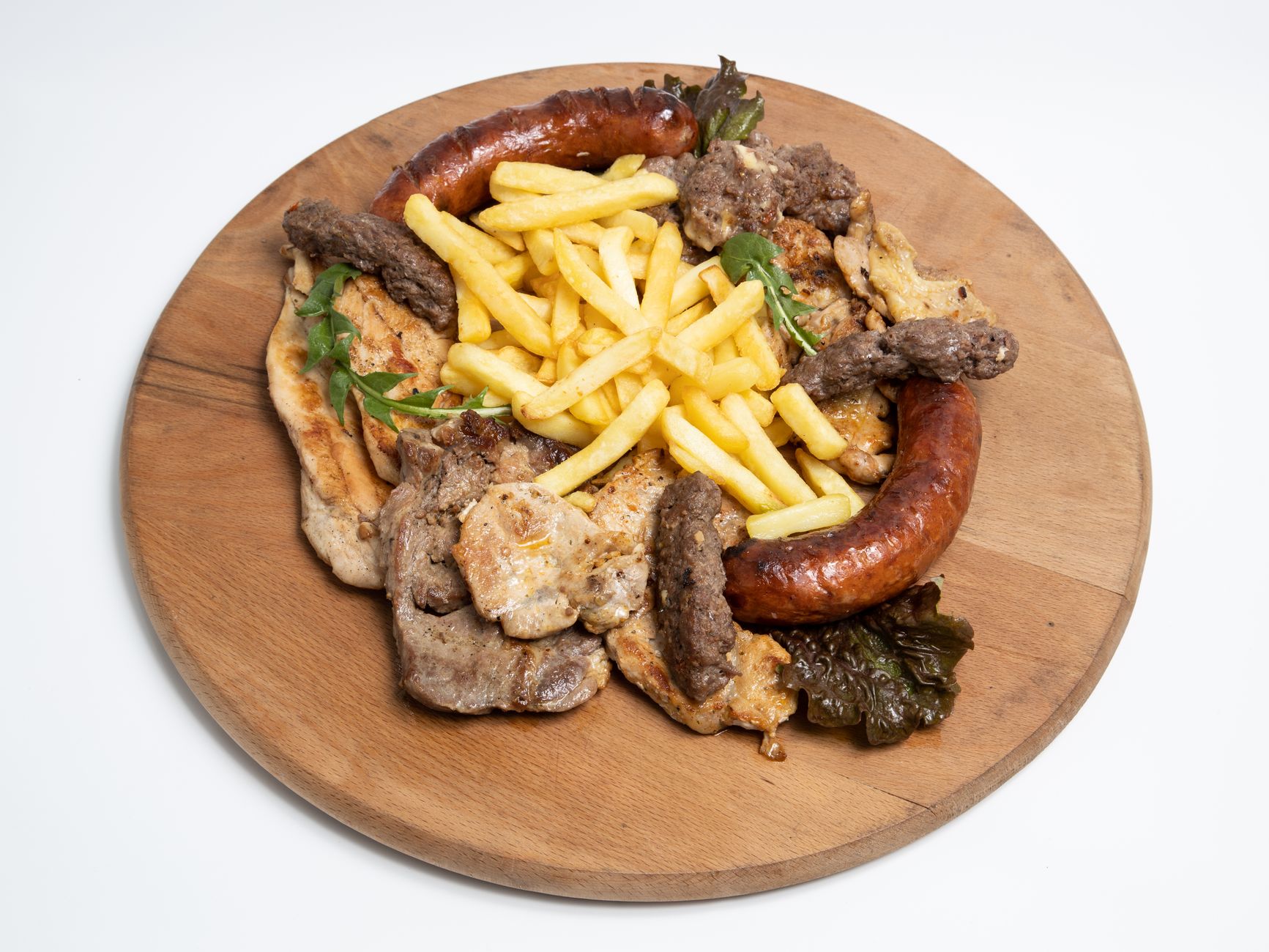
Whether you’re meal planning for the week or simply wondering what to put on your dinner plate today, the decision of whether to eat meat can depend on a variety of factors. These can include dietary preferences, health considerations, ethical concerns, and even practical cooking methods.
In this article, we’ll explore the different aspects of consuming meat, including its nutritional value, variations in preparation, and how to incorporate it into your meals. You’ll also find helpful tips for selecting, storing, and cooking meat safely and deliciously.
Can I Eat Meat Today?
Yes, you can eat meat today if it aligns with your dietary preferences and guidelines. It’s vital to consider factors such as freshness, storage conditions, and your own health goals when deciding to cook meat. Here’s what you need to know before making that decision.
Nutritional Value of Meat
Meat is a rich source of essential nutrients, including protein, iron, zinc, and B vitamins. Here’s a closer look:
- Protein: Vital for muscle repair and growth, meat is an excellent source of complete proteins containing all essential amino acids.
- Iron: Important for transporting oxygen in the blood, red meat is particularly high in heme iron, which is more easily absorbed by the body than non-heme iron found in plant sources.
- Zinc: This mineral supports the immune system and is crucial for skin health.
- B Vitamins: Meat provides several B vitamins, particularly B12, which is essential for nerve function and the production of DNA and red blood cells.
Types of Meat and Their Uses
Understanding the different types of meat and their culinary uses can help you make informed decisions about what to cook. Here are some common categories:
Poultry
Poultry, including chicken, turkey, and duck, is generally lower in fat than red meat and a great source of lean protein.
- Chicken: Versatile and quick to cook, excellent for grilling, roasting, or stir-frying.
- Turkey: Often reserved for holidays, turkey can be enjoyed year-round in various dishes.
- Duck: Rich in flavor, best when roasted or braised.
Red Meat
Red meat, such as beef, lamb, and pork, is flavorful and often preferred for hearty dishes.
- Beef: Excellent for grilling, roasting, or sautéing; consider cuts like sirloin, ribeye, or brisket.
- Lamb: Known for its distinct flavor, often used in Mediterranean or Middle Eastern cuisines.
- Pork: Can be prepared in various ways, including roasting, grilling, or braising; includes cuts like tenderloin and chops.
Fish and Seafood
Fish and seafood are excellent sources of omega-3 fatty acids and are often recommended for heart health.
- Salmon: Rich in healthy fats, ideal for grilling or baking.
- Tuna: Great for salads and sandwiches, can be enjoyed raw in sushi or seared.
- Shrimp: Quick-cooking, perfect for stir-fries or pasta dishes.
Choosing Fresh Meat
Selecting fresh meat is crucial for both flavor and safety. Here are some tips:
- Look for bright red or pink color; avoid grayish meat.
- Check for firmness – the meat should spring back when pressed.
- Smell the meat; it should have a fresh, mild aroma.
Safe Meat Storage
Proper storage of meat is essential to avoid foodborne illnesses. Here’s how to do it:
- Refrigeration: Store fresh meat in the refrigerator at temperatures below 40°F (4°C). Use it within 1-3 days, depending on the type.
- Freezing: Meat can be frozen for longer storage. Wrap it tightly in plastic wrap or freezer paper to prevent freezer burn.
- Thawing: Always thaw meat in the refrigerator or cold water, never at room temperature.
Cooking Techniques for Meat
Cooking meat properly ensures safety and enhances flavor. Here’s an overview of various cooking techniques:
Grilling
Grilling imparts a smoky flavor to meat. Here’s a brief outline of how to grill meat effectively:
- Preheat the grill to high heat.
- Season the meat with olive oil, salt, and pepper.
- Place the meat on the grill and cook, flipping once until desired doneness.
- Let rest before slicing to allow juices to redistribute.
Roasting
Roasting is ideal for whole cuts of meat like chicken or beef roasts.
- Preheat the oven to the appropriate temperature, usually around 375°F (190°C).
- Season the meat and place it in a roasting pan.
- Cook until it reaches a safe internal temperature, using a meat thermometer for accuracy.
- Allow the meat to rest before carving.
Sautéing
Sautéing is quick and ideal for smaller cuts of meat such as chicken breasts or stir-fry slices.
- Heat a small amount of oil in a skillet over medium-high heat.
- Add the meat and cook, stirring frequently until browned and cooked through.
Braising
Braising is excellent for tougher cuts of meat that benefit from slow cooking.
- Brown the meat in a pot, then remove it.
- Add aromatics and deglaze the pot with liquid (broth, wine, or water).
- Add the meat back, cover, and cook on low heat or in the oven until tender.
Common Mistakes When Cooking Meat
A few common mistakes can detract from your meat cooking experience. Here are some to watch out for:
- Overcooking or undercooking meat can lead to dryness or foodborne illness.
- Not letting meat rest after cooking can cause juices to run out, making it less flavorful.
- Crowding the pan can lead to uneven cooking.
Serving Suggestions
What you serve with meat can elevate the dish. Here are some complementary side ideas:
- Vegetables: Roasted vegetables provide color and flavor contrast.
- Grains: Quinoa, rice, or couscous can balance the proteins and add texture.
- Salads: A fresh salad can add a refreshing element to your meal.
Meal Planning with Meat
Integrating meat into meal planning can streamline your cooking process and help you maintain dietary goals. Here are some tips:
- Batch Cooking: Consider cooking large portions of grilled chicken or roasted beef to use throughout the week in salads, wraps, or stir-fries.
- Variety: Plan different meats for each day to prevent monotony. You can use chicken on Monday, beef on Tuesday, and fish on Wednesday.
- Use Leftovers: Don’t hesitate to repurpose meat leftovers into new dishes, like turning roast chicken into soup or tacos.
Meat Substitutions for Special Diets
If you’re looking for alternatives due to dietary restrictions, here are some reliable substitutions:
- Tofu: A great protein source that absorbs flavors well, use it as a substitute for stir-fried meats or grilling.
- Tempeh: Fermented soy product with a nutty flavor, ideal for adding heartiness to salads or sandwiches.
- Legumes: Beans and lentils can replace meat in stews and tacos while providing protein and fiber.
Conclusion and Next Steps
Deciding whether to eat meat today involves not just personal preference but also understanding the nutritional, ethical, and culinary aspects involved. Ensuring you select fresh meat, handle it safely, and cook it properly will lead to better meals and a healthier lifestyle.
To further your meal planning, explore practical guides on storing chicken safely or the shelf-life of ground beef. Visit Can You Freeze Cooked Chicken or learn How Long Is Ground Beef Good for in the Fridge for helpful tips.