
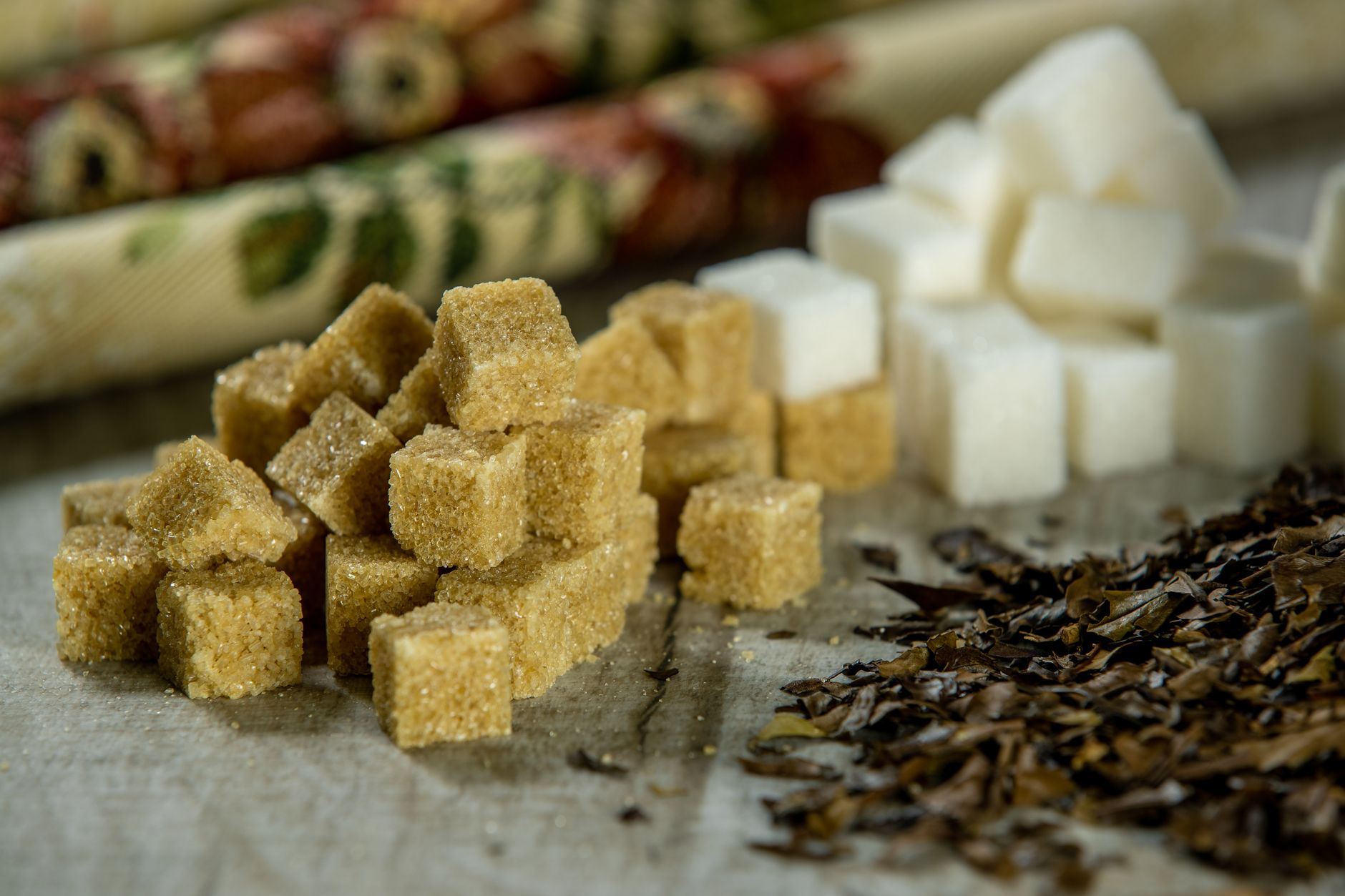
Brown sugar and white sugar are common ingredients in many recipes, and when it comes to baking and cooking, sometimes you may find yourself asking if you can substitute one for the other. Understanding the properties of both sugars can help you make the best choice for your culinary creations.
This guide explores the key differences between brown sugar and white sugar, the suitability of substituting one for the other, suggested ratios for ingredient swapping, and the effects on flavor and texture in various dishes.
Can I Sub Brown Sugar for White Sugar?
Yes, you can substitute brown sugar for white sugar in most recipes, but this switch can alter the taste and texture of your dish. Brown sugar adds moisture and a slight molasses flavor, while white sugar typically creates a drier and more subtle sweetness. If you are aiming for a specific flavor or texture profile, it’s essential to understand these differences.
Understanding the Differences
Before substituting brown sugar for white sugar, it’s crucial to grasp the unique properties of both. Here’s a closer look at their composition, flavor profiles, and culinary uses:
Composition
- White Sugar: Also known as granulated sugar, it is 100% sucrose. It’s processed to remove any molasses content, resulting in a pure, fine, white texture.
- Brown Sugar: This sugar retains some of the molasses from the sugarcane or sugar beet. It comes in light and dark varieties, with dark brown sugar containing a higher percentage of molasses, which gives it a richer flavor and darker color.
Flavor and Texture
- White Sugar: Offers a clean, sweet taste and contributes to a crisp texture in baked goods. It’s often used in recipes where a neutral sweetness is desired.
- Brown Sugar: Imparts a caramel-like flavor and adds moisture to recipes. It’s commonly used in cookies, cakes, and sauces where a deeper flavor is beneficial.
Swapping Ratios: Brown Sugar vs. White Sugar
When substituting brown sugar for white sugar, the ratio can vary slightly based on the recipe. Here’s a general guideline:
- Use an equal amount of brown sugar for white sugar when substituting (1:1 ratio). However, be aware that brown sugar is denser than white sugar, so if the recipe relies heavily on precise measurements like in baking, consider the weight rather than the volume.
Additional Considerations
When substituting, take into account that brown sugar may cause a slight increase in moisture, which can affect the texture of your final product. In recipes where a drier outcome is desired (like meringues or some pastries), adjustments may need to be made to account for the added liquid content from the molasses.
When to Use Brown Sugar Instead of White Sugar
Understanding when to opt for brown sugar can elevate your dishes. Here are some occasions where brown sugar might be the better choice:
Baking Cookies
If you’re baking cookies, especially chewy types, brown sugar is often preferred. It contributes to a softer texture and rich flavor.
Making Sauces and Marinades
Brown sugar is excellent in sauces, marinades, and glazes, providing a deeper flavor profile compared to white sugar. Its moisture content helps enhance caramelization when grilling or roasting.
Baking Cakes
Cakes that include brown sugar can have a more complex flavor. Use it in recipes for gingerbread, chocolate cake, and even vanilla cakes to complement various flavor notes.
Pancakes and Waffles
Brown sugar lends a pleasing caramel flavor to breakfast items. When added to pancake or waffle batters, it can enhance the overall taste.
How Brown Sugar Affects Your Recipes
When using brown sugar instead of white sugar, be prepared for some changes in your recipe outcomes:
- Moisture Content: The added moisture from brown sugar can lead to denser, softer baked goods. This is ideal for items like muffins and cookies but may not be suitable for meringues.
- Caramel Flavor: Expect a richer, more complex flavor in your finished dish. This can enhance desserts but may not be suitable in cases where a pure sweetness is desired.
- Color Change: Brown sugar will darken the color of your dishes. This may be desirable in some recipes like brownies but less so in items like frostings where a bright white or pastel hue is needed.
Common Recipes and Adjustments
Let’s consider a few common recipes and observe how substituting brown sugar for white sugar would work along with potential adjustments to ensure success:
Chocolate Chip Cookies
Using brown sugar in chocolate chip cookies will introduce a chewy texture and deeper flavor.
- Use a 1:1 substitution for white sugar.
- Consider reducing any other liquid ingredients slightly to compensate for the added moisture.
Sugar Cookies
The traditional sugar cookie often benefits from white sugar’s crispness, but mixing in brown sugar can add a subtle flavor:
- Use 2 parts white sugar to 1 part brown sugar for a balance between crispness and flavor.
Brownies
Brown sugar pairs excellently in brownies, enhancing the fudgy texture:
- Substitute brown sugar 1:1 for white sugar.
- No need to adjust other ingredients as the moistness complements the desired outcome.
Common Mistakes to Avoid
When substituting sugars, be mindful of a few common pitfalls:
- Ignoring Texture: Baking is a science; don’t overlook how sugar affects texture. Recipes requiring specific textures (like meringues) may fail with brown sugar.
- Measurement Confusion: Be cautious of the volume vs. weight for precise baking. If unsure, measure by weight for accuracy.
- Overlook Flavor Pairings: Consider the flavor profile the sugar adds to your recipe. Avoid complimentary flavors that could clash with the caramel notes of brown sugar.
Tips for Using Brown Sugar
Here are a few useful tips for making the most of brown sugar in your cooking and baking endeavors:
- Storage: Store brown sugar in an airtight container to prevent it from hardening.
- Softening Hard Brown Sugar: Place a slice of bread in the container for a day to soften hardened brown sugar.
- Flavor Enhancement: In recipes like baked beans or certain sauces, brown sugar can enhance flavor when added alongside spices.
Storing and Reheating Tips
Proper storage and reheating techniques can extend the life of your baked goods and maintain quality.
Storing Baked Goods
When using brown sugar in baked goods:
- Allow items to cool completely before storing.
- Use airtight containers to keep them fresh.
Reheating Baked Goods
For reheating cakes and bread that used brown sugar:
- Use a microwave-safe cover to maintain moisture, reheating in short intervals.
- For crispy textures, reheat in an oven rather than the microwave.
Conclusion
Substituting brown sugar for white sugar is a practical option in many recipes that can enhance flavor and moisture. Remember, though, that this swap might require some adjustments to avoid potential pitfalls in texture and moisture balance. Experiment with various treats and baking endeavors to discover how brown sugar can elevate your favorite dishes.
For additional information on how to make brown sugar syrup, check out our guide at Brown Sugar Syrup Recipe. If you’re interested in learning about alternatives for vanilla extract in recipes, visit Substitutes for Vanilla Extract.