
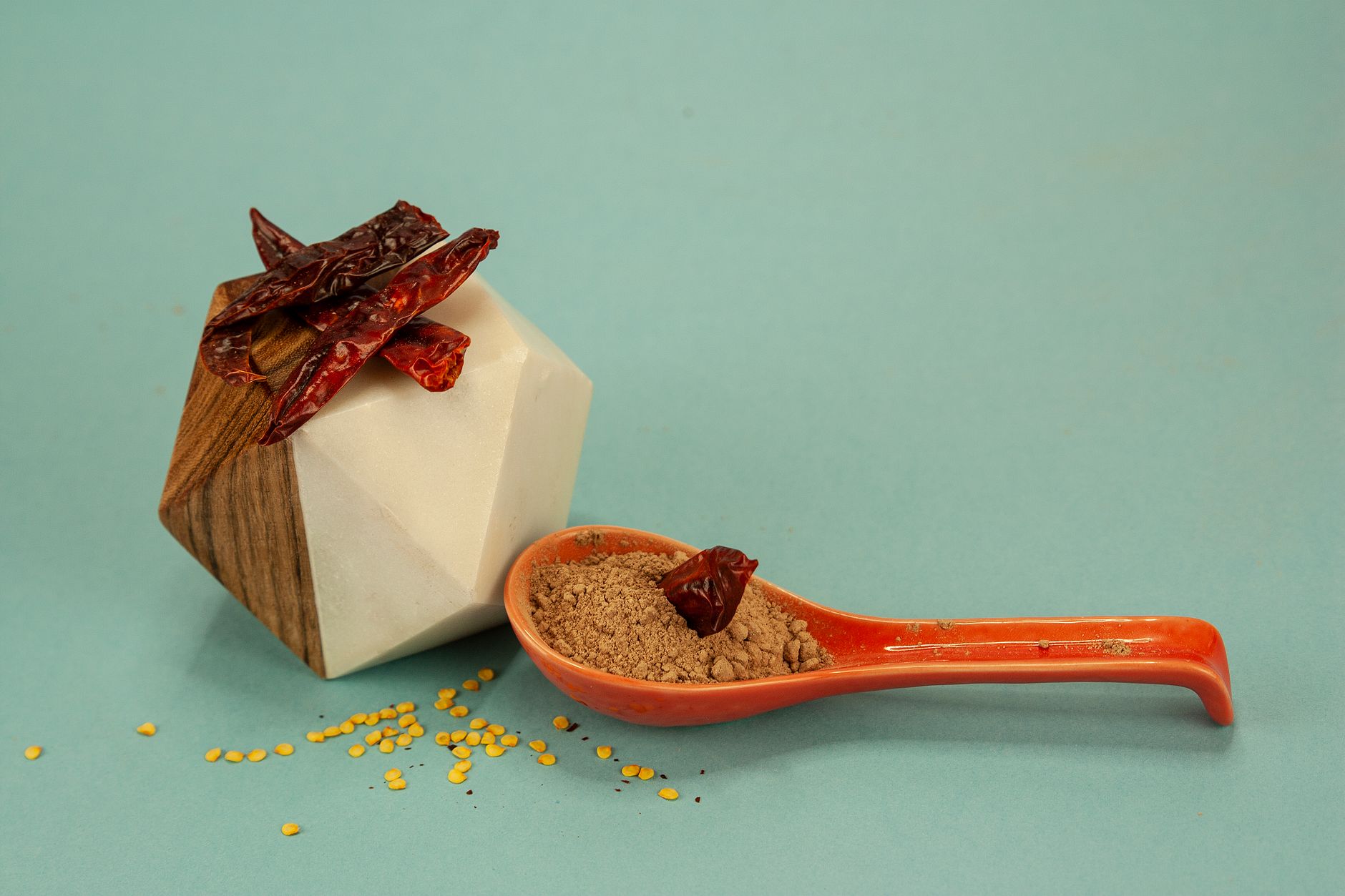
Chili powder is a popular spice blend used in a variety of dishes to add flavor and heat. The term “chili powder” can refer to different spice blends depending on regional variations, creating a question: is chili powder spicy? This article will explore the composition of chili powder, its uses in cooking, and how it compares in spiciness to other spices.
Several factors influence the perceived spiciness of chili powder, including its ingredients, the type of chili peppers used, and individual taste sensitivities. By understanding these aspects, cooks and home chefs can make informed decisions about how to use chili powder in their dishes.
What is Chili Powder?
Chili powder is a spice blend made from ground chili peppers and other spices. The specifics of the blend can vary widely based on geographic and cultural influences. These blends can include:
- Ground chili peppers (such as cayenne, jalapeño, or ancho)
- Cumin
- Garlic powder
- Onion powder
- Oregano
- Salt
The primary ingredient in chili powder, ground chili peppers, contributes to its heat level. The blend’s heat can vary significantly depending on the type of peppers used. For instance, cayenne pepper is much spicier than sweet peppers.
Understanding Heat Levels: Scoville Scale
The heat of chili powder can be measured using the Scoville scale, which quantifies the heat level of chili peppers based on the concentration of capsaicin, the compound responsible for their spiciness. Here’s a quick reference for the Scoville ratings of some common chili peppers:
| Chili Pepper | Scoville Heat Units (SHU) |
|---|---|
| Poblano | 1,000 – 2,000 |
| Ancho | 1,000 – 4,000 |
| Jalapeño | 2,500 – 8,000 |
| Cayenne | 30,000 – 50,000 |
| Habanero | 100,000 – 350,000 |
When assessing the spiciness of a given chili powder, remember that the heat level is influenced by the chili powders and other ingredients in the blend. This means that different brands and preparations can vary widely.
Is Chili Powder Spicy?
To answer the question: yes, chili powder can be spicy, but not all chili powders are created equal. The spiciness level will largely depend on the types of chili peppers included in the blend and how they were processed. While some chili powders may offer a mild flavor, others can pack a significant heat punch.
Here are common characteristics of chili powder’s spiciness:
- Heat Range: Most chili powders fall within a moderate heat range but can escalate quickly based on their main chili component.
- Flavor Profile: Chili powder imparts not only spiciness but also a depth of flavor that can be smoky, earthy, or fruity, depending on its ingredients.
- Individual Sensitivity: People have different tolerances to spicy foods, meaning what feels mild to one person might feel very spicy to another.
Types of Chili Powder
There are numerous varieties of chili powder, each with its unique flavor and heat profile. Some of the most common types include:
1. American Chili Powder
This blend often includes ground cayenne pepper and additional spices like cumin, garlic powder, and oregano. It tends to have a moderate heat level, making it a popular choice for chili dishes.
2. Mexican Chili Powder
Typically contains dried chili peppers like ancho or pasilla mixed with other spices. The flavor is generally more complex and can bring a deeper heat level to dishes.
3. Chipotle Chili Powder
Made from smoked jalapeño peppers, chipotle chili powder has both spice and a deep smokiness, often used in barbecue and authentic Mexican dishes.
4. Cayenne Pepper Powder
Cayenne powder is a single, pure cayenne pepper ground into a fine powder. This powder is usually hotter than most blends, making it essential to use sparingly.
How to Use Chili Powder
Chili powder is incredibly versatile and can be used in various dishes to enhance their flavor. Here are some common uses:
- Soups and Stews: Add chili powder to enhance the depth and warmth of soups and stews, such as chili con carne.
- Marinades: Combine chili powder with oil, acid (like vinegar or lime juice), and other spices for a flavorful marinade for meats and vegetables.
- Seasoning: Use chili powder as a seasoning for roasted vegetables or as part of a spice mix for meats.
- Curries: Incorporate chili powder into curry dishes for added heat and flavor complexity.
- Dips: Blend chili powder into dips, such as salsa or guacamole, for extra kick.
Substituting Chili Powder
If you find yourself out of chili powder, suitable alternatives can be used without compromising your dish’s flavor too much:
- Smoked Paprika: Offers a smoky flavor with mild heat. Use in equal amounts for a similar taste without the spiciness.
- Cayenne Powder: If you’re looking for similar spiciness, use a fraction of what the recipe calls for, as cayenne is hotter.
- Red Pepper Flakes: While a bit rougher in texture, red pepper flakes can be a stand-in. Start with half the amount as they are spicier.
- Homemade Chili Powder: Mix equal parts paprika, cayenne, cumin, and garlic powder for a close substitute, adjusting to taste.
Common Mistakes When Using Chili Powder
When using chili powder, avoid some common pitfalls that can lead to unbalanced flavors or overly spicy dishes:
- Overusing Chili Powder: Adding too much chili powder can overwhelm other flavors. Start with a smaller amount and adjust as needed.
- Not Toasting First: Toasting chili powder in a dry pan can enhance its flavor. Always remember this step before adding it to wet ingredients.
- Using an Inappropriate Type: Using a very hot chili powder when a milder flavor is called for can lead to dishes that are too spicy. Know your blend.
Storage Tips for Chili Powder
Proper storage is crucial for maintaining the flavor and potency of chili powder. Here are some guidelines:
- Keep in a Cool, Dark Place: Store your chili powder in a tightly sealed container, away from heat and light to prevent it from losing flavor.
- Use Glass or Plastic Containers: These materials provide better sealing than cardboard or paper packaging.
- Check Freshness: Give chili powder a sniff or a quick taste if it’s been sitting in your pantry for a while. If it doesn’t smell or taste strong, it may need replacing.
Conclusion
Chili powder can indeed be spicy, but its heat level depends significantly on its composition and the individual’s taste sensitivity. It can add incredible depth and flavor complexity to a variety of dishes, making it an essential spice in many kitchens. Understanding its nuances can empower people to use chili powder effectively and enjoyably. To get started, consider incorporating chili powder into your meal prep, try it in a classic cowboy chili recipe, or explore making your chili seasoning with a homemade chili seasoning recipe. Always remember that the right amount can elevate your dish to the next level.
Explore related recipes, cooking tips, or food guides to enhance your culinary skills and broaden your palate.